

House of Wonders
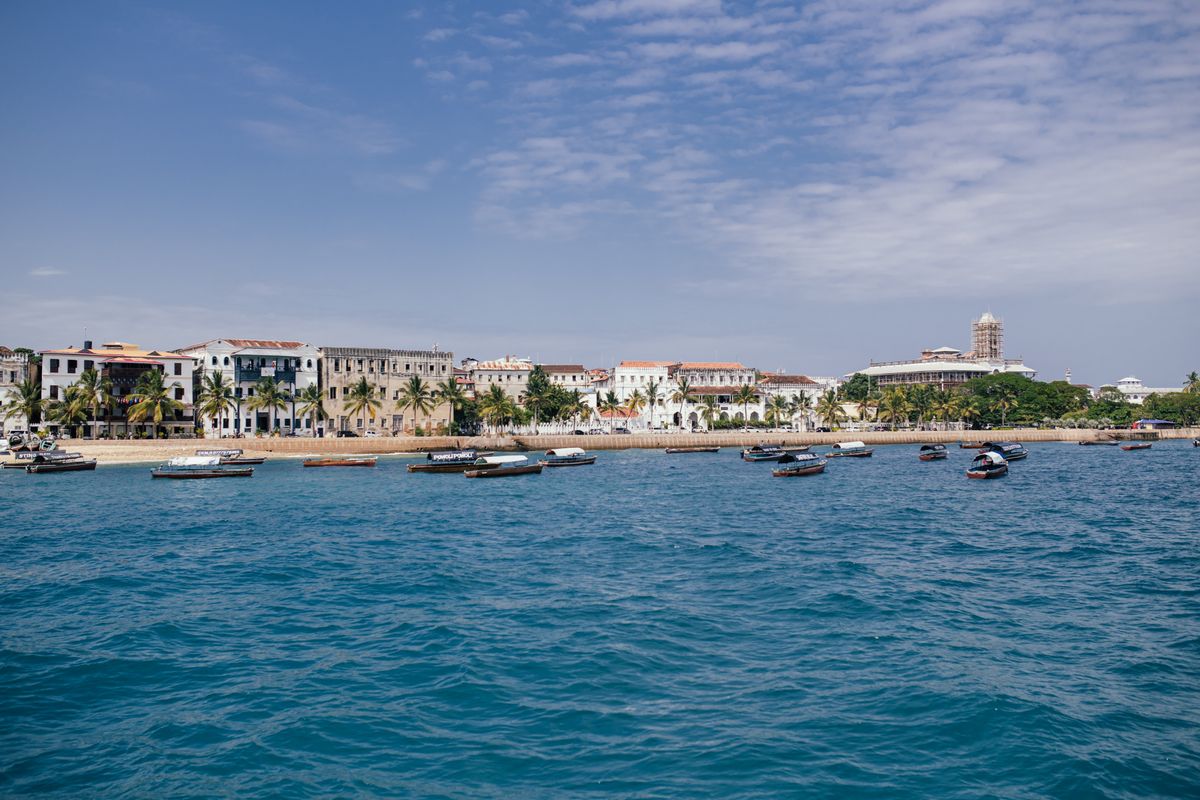
Once the ceremonial palace of the Sultan, the House of Wonders remains one of Zanzibar's most iconic landmarks. It reflects the island's rich cultural heritage and historic significance.
Zanzibar Archipelago
A UNESCO World Heritage Site, Stone Town is the cultural and historical heart of Zanzibar, blending African, Arab, Persian, Indian, and European influences.
In pictures
Overview
Stone Town is a living museum of Swahili coast history. Wander a labyrinth of coral-stone alleyways lined with carved wooden doors, spice bazaars, rooftop cafés and centuries-old mosques, temples and cathedrals. Evenings on the seafront belong to Forodhani Gardens, where street-food stalls open beside dhows drifting into the sunset.
Highlights
Best time to visit
Year-round — cooler and drier June to October
Avoid the long rains (mid-March to May) for the most comfortable walking tours.
How to get there
15-minute drive from Abeid Amani Karume International Airport (ZNZ).
20-minute flight from Dar es Salaam or 2-hour ferry from the mainland.
Direct flights from Serengeti and Arusha make it an easy safari-to-beach handover.
Stone Town is the cultural and historical heart of Zanzibar, offering visitors a fascinating blend of African, Arab, Persian, Indian, and European influences. Recognized as a UNESCO World Heritage Site, this vibrant old quarter is renowned for its maze of narrow streets, beautifully carved wooden doors, bustling markets, ancient mosques, colonial architecture, and lively waterfront. Every corner tells a story of centuries of trade across the Indian Ocean, making Stone Town one of East Africa's most captivating destinations.
Whether you're interested in history, architecture, local cuisine, shopping, or photography, Stone Town provides an unforgettable cultural experience. It also serves as the perfect starting point for exploring the beaches and marine attractions of Zanzibar.
Why visit
Stone Town offers a unique opportunity to experience Zanzibar beyond its famous beaches. It is a living museum where traditional Swahili culture continues to thrive alongside modern island life. Visitors can stroll through winding alleys, sample authentic street food, admire centuries-old architecture, and discover the island's rich heritage through its museums and historic landmarks.
Chapter one
Stone Town's history stretches back more than a thousand years, when traders from Arabia, Persia, India, and mainland Africa established flourishing commercial routes across the Indian Ocean. During the 19th century, Zanzibar became one of the world's most important trading centers for spices, ivory, and cloves.
The island later became the seat of the Sultanate of Oman, and many of the grand buildings seen today — including palaces, mosques, and merchant houses — date from this era. While some chapters of Stone Town's past, including the slave trade, are deeply painful, they remain an important part of the island's history and are interpreted respectfully through museums and memorials.
Not to miss
Once the ceremonial palace of the Sultan, the House of Wonders remains one of Zanzibar's most iconic landmarks. It reflects the island's rich cultural heritage and historic significance.
The Old Fort is the oldest surviving building in Stone Town. Today it hosts cultural performances, craft markets, art exhibitions, and festivals throughout the year.
Every evening, Forodhani Gardens transforms into Zanzibar's most famous open-air food market. Sample grilled seafood, Zanzibar pizza and sugarcane juice while watching the sunset over the Indian Ocean.
Built on the site of the former slave market, the Anglican Cathedral and adjacent memorial provide insight into one of the most significant periods in Zanzibar's history and the eventual abolition of the East African slave trade.
Experience the sights, sounds, and aromas of everyday island life at Zanzibar's busiest market — fresh seafood, tropical fruits, spices, handcrafted goods and colourful textiles.
Living heritage
Stone Town is one of the best places to immerse yourself in authentic Swahili culture. Join guided walking tours, learn about traditional architecture, visit local artisans, attend cooking classes, and discover the island's unique blend of cultures through music, food, and festivals.
Shopping
Must-try dishes
Where to stay
When to go
June to October
Pleasant temperatures and low humidity — ideal for walking tours and sightseeing.
December to February
Warm, sunny days and excellent conditions for combining culture with a beach holiday.
Plan your visit
Safari + beach
Stone Town pairs perfectly with the island's renowned beaches. After exploring its historic streets and cultural landmarks, continue your holiday with a relaxing stay on the coast. This combination offers the ideal balance of history, culture, and tropical relaxation.
Why Williamson
Our Zanzibar specialists create tailor-made itineraries that combine cultural discovery with premium island experiences. From private guided tours of Stone Town to luxury beach resorts, sunset dhow cruises, spice farm visits, and seamless safari-and-beach combinations, we ensure every journey is carefully planned to match your interests and travel style.
Good to know
Keep exploring
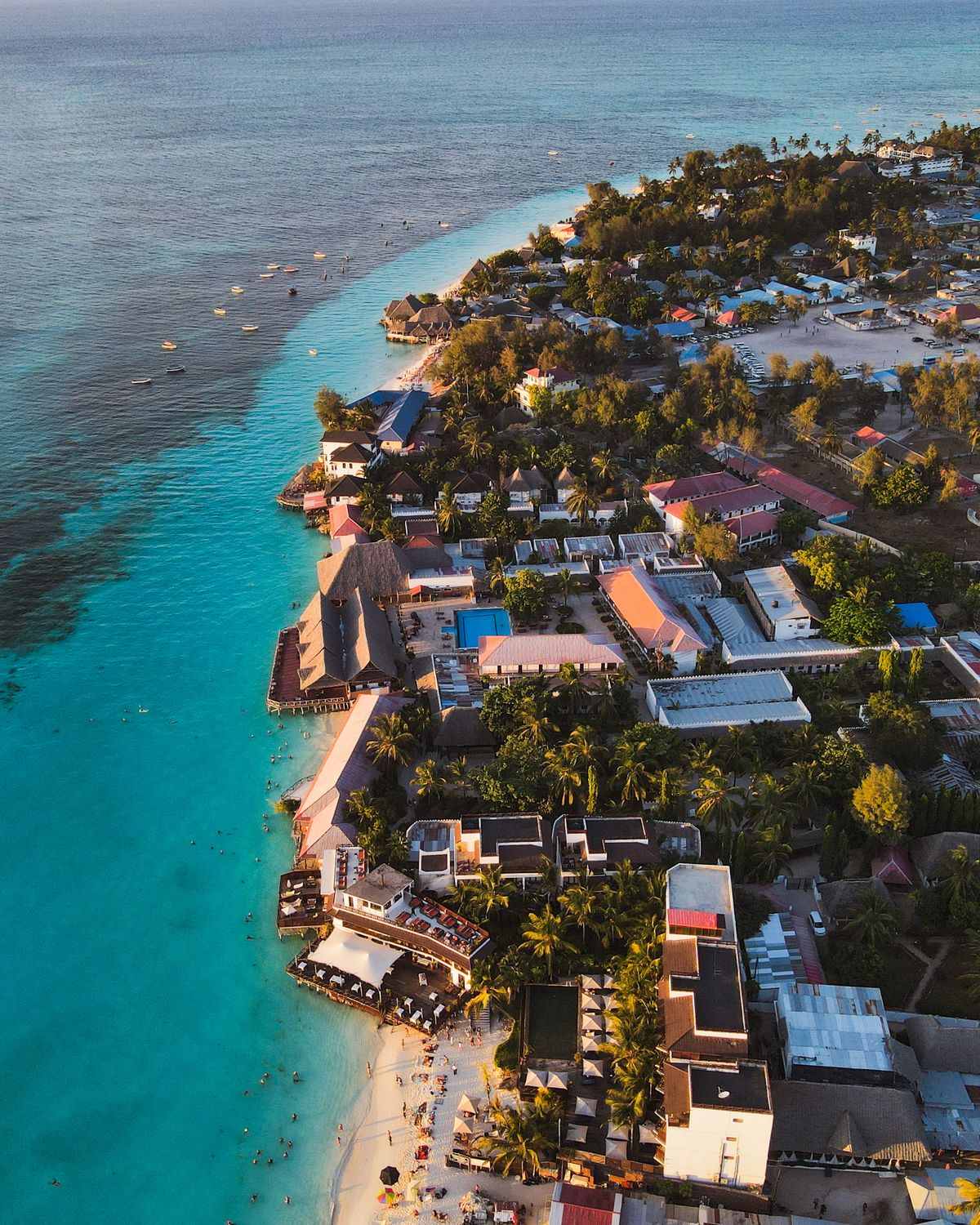
Zanzibar's premier beach destination, known for white-sand beaches, turquoise waters, luxury resorts, and year-round swimming.
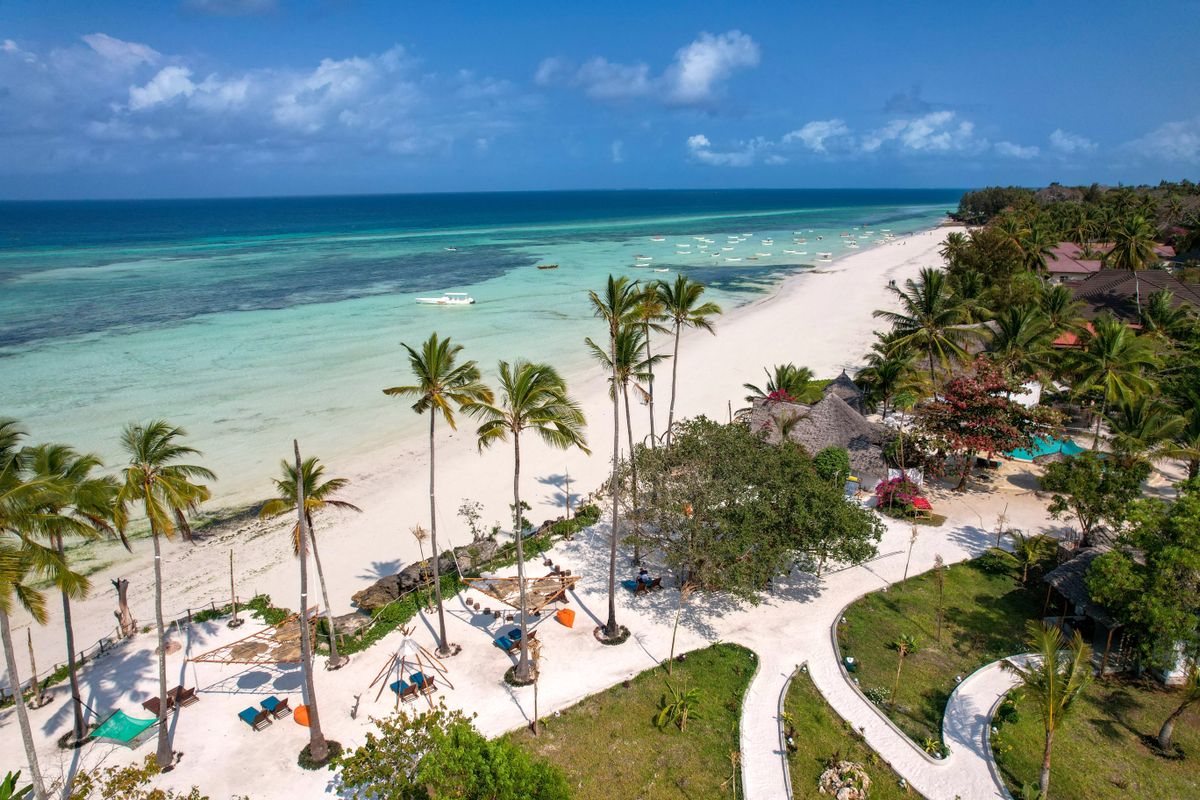
Kendwa Beach is celebrated for calm waters, spectacular sunsets, soft sand, and a relaxed yet lively coastal atmosphere.
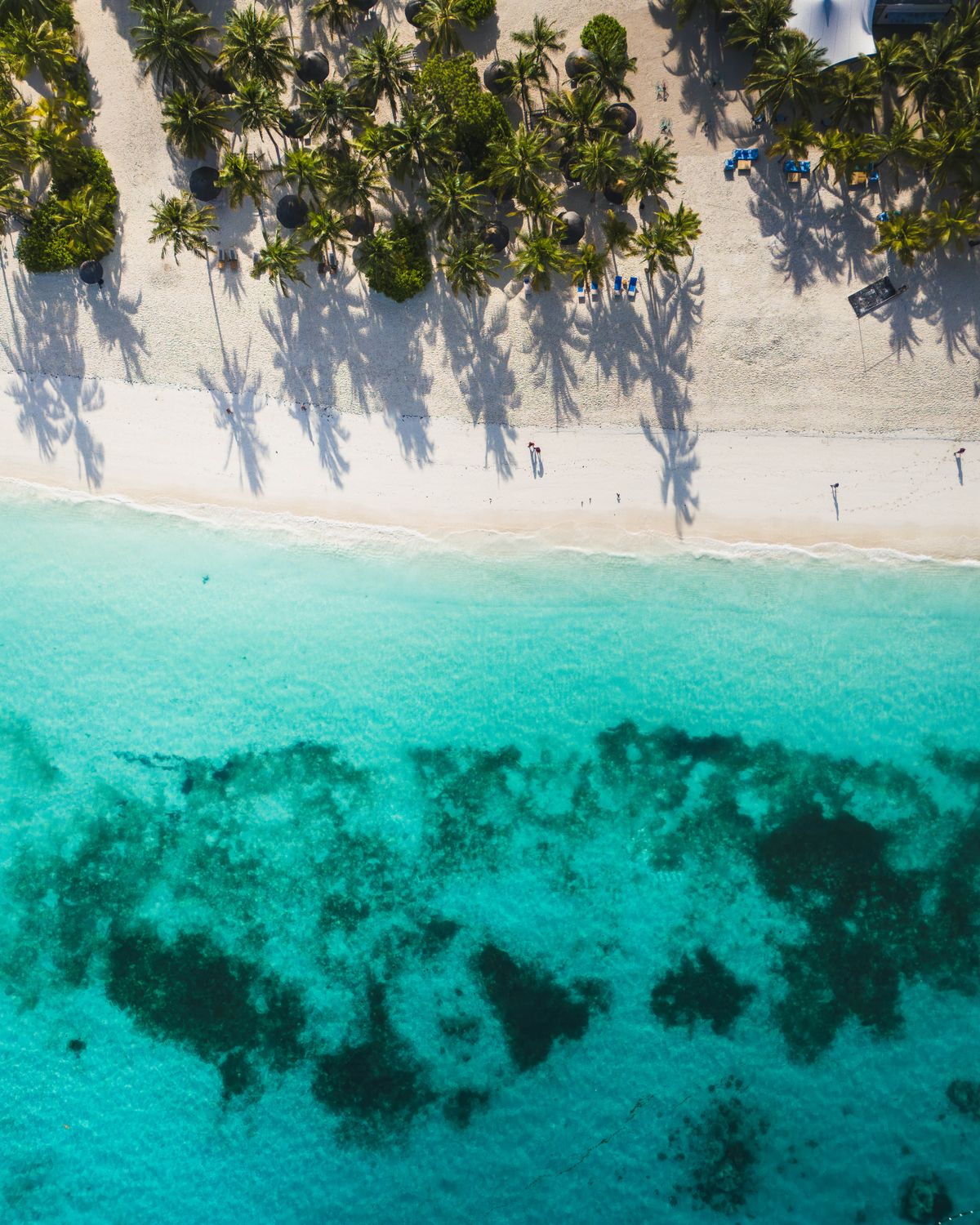
Internationally recognized for kitesurfing, Paje offers shallow lagoons, boutique hotels, diving schools, yoga retreats, and a laid-back coastal vibe.