
Calving on the southern plains
From January to March, the herds gather around Ndutu and the Southern Serengeti as newborn calves arrive on the short-grass plains.

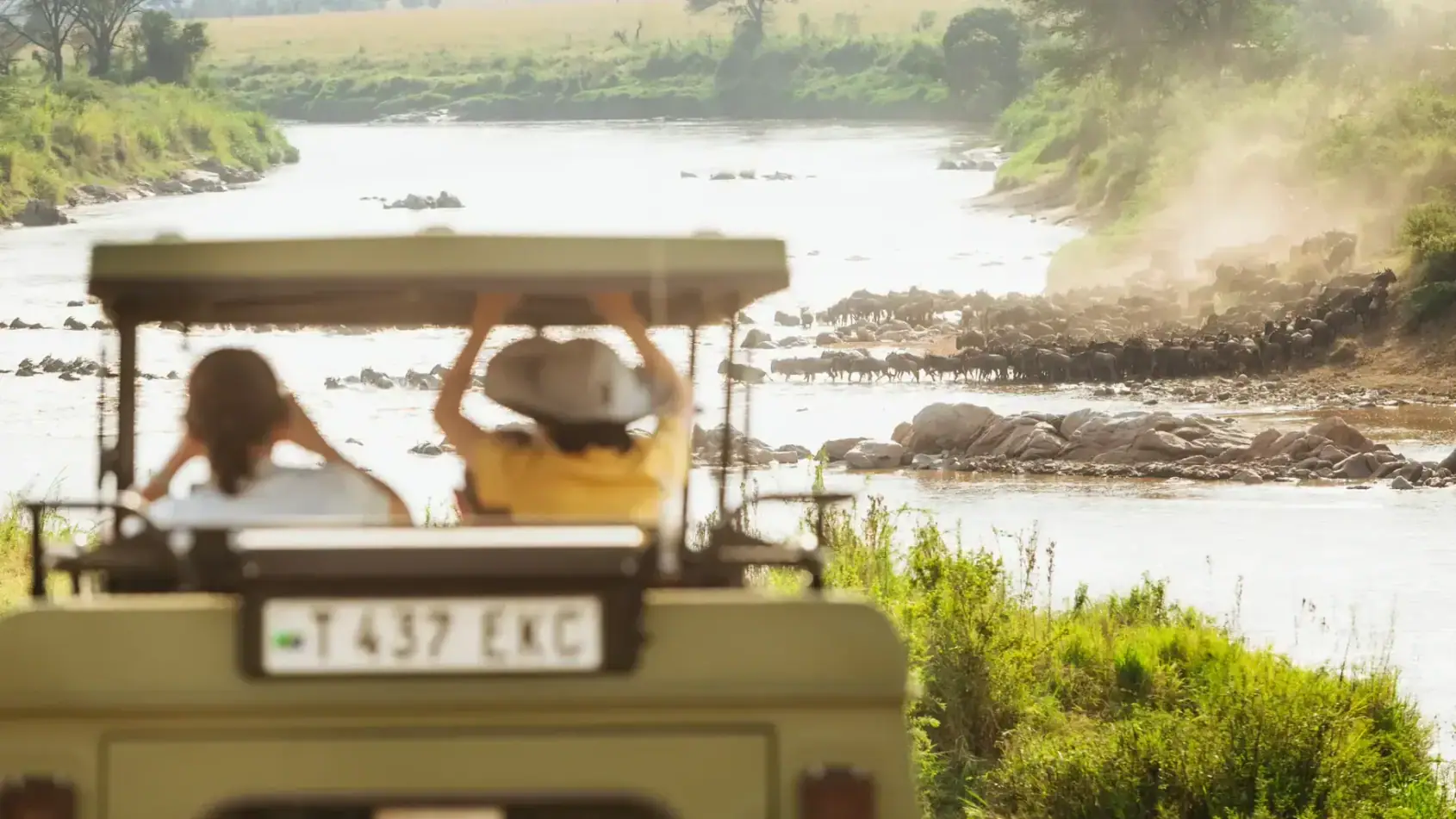
Follow the herds through calving season, the Western Corridor and the Northern Serengeti on a private safari positioned around your dates.
The Great Migration is not a single event. It is a continuous journey shaped by rain and fresh grazing.
The most rewarding safari begins by matching your travel window to the right part of the Serengeti ecosystem, then allowing enough time for patient, unhurried wildlife viewing.
Each stage has a different character, from newborn calves on green southern plains to the tense gathering of herds beside northern rivers.
From January to March, the herds gather around Ndutu and the Southern Serengeti as newborn calves arrive on the short-grass plains.
As the long rains ease, wildebeest and zebra travel through the central Serengeti and into the Western Corridor.
From July to October, herds gather in the north where Mara River crossings may happen without a fixed timetable. Wondering which side of the border to choose? Compare the Maasai Mara vs Serengeti.
Our guides follow current conditions and place each journey in the region that best fits your travel dates.
Private Tanzania safaris designed around seasonal herd movement, with routes that can include Ngorongoro, Tarangire or Zanzibar.
From $1,877 per person.
View Itinerary
From $2,831 per person.
View Itinerary
From $3,779 per person.
View Itinerary
From $4,733 per person.
View Itinerary
From $4,374 per person.
View Itinerary
From $4,028 per person.
View Itinerary
From $5,367 per person.
View Itinerary
From $1,930 per person.
View Itinerary
From $7,290 per person.
View Itinerary
From $1,800 per person.
View Itinerary
From $4,330 per person.
View Itinerary
From $3,200 per person.
View Itinerary
From $5,015 per person.
View Itinerary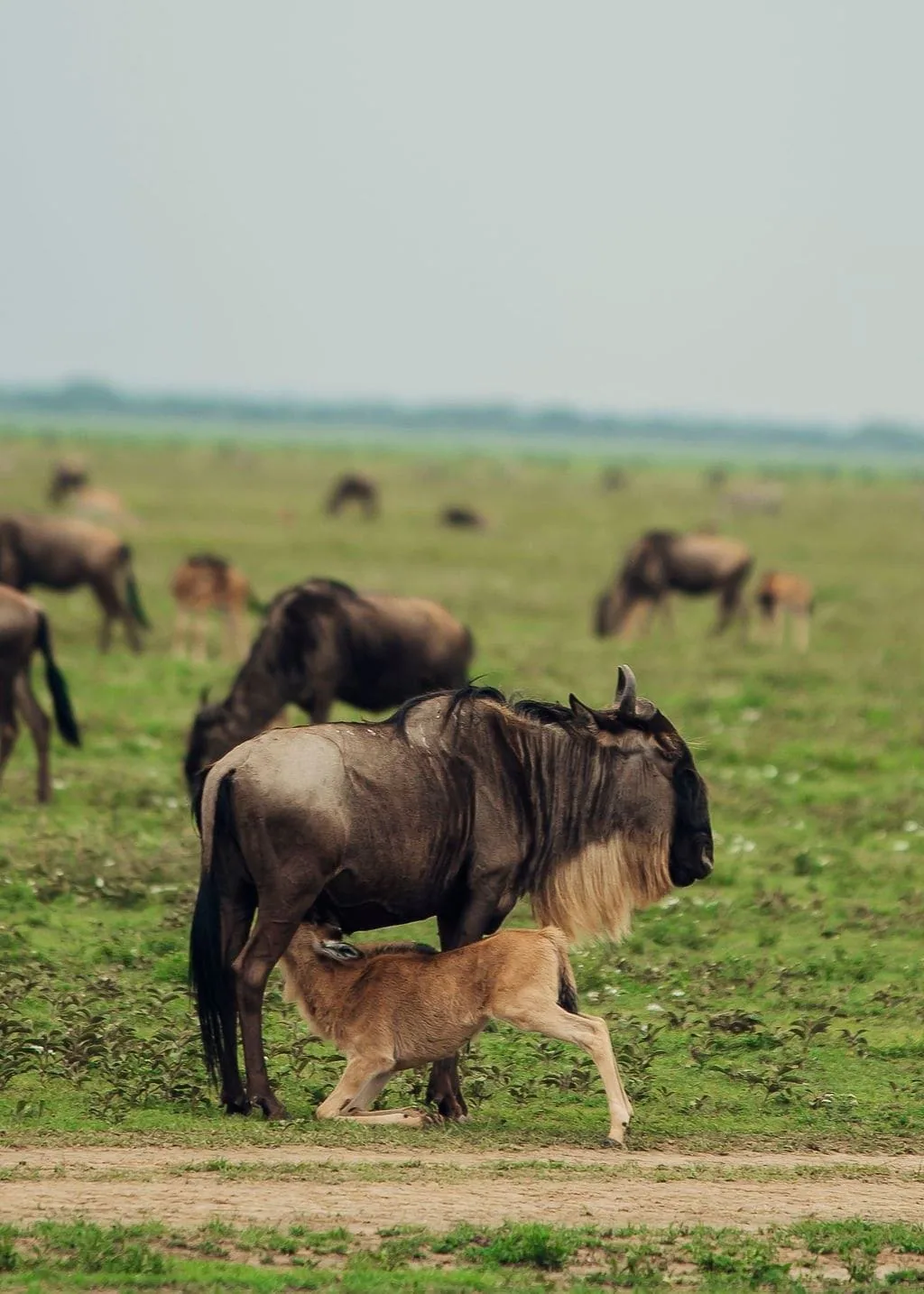
From $1,804 per person.
View Itinerary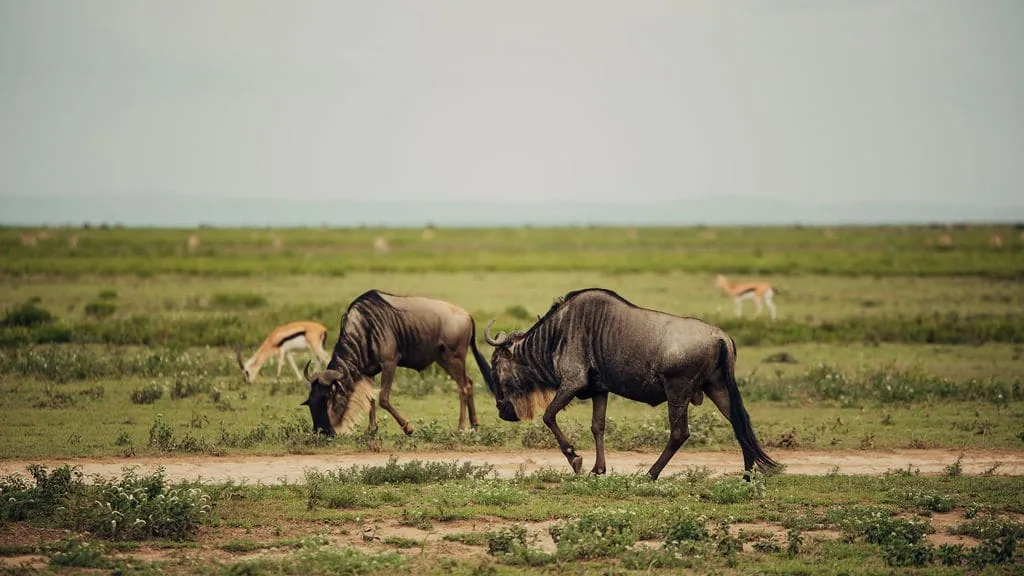
From $1,927 per person.
View Itinerary
From $3,143 per person.
View Itinerary
From $1,972 per person.
View Itinerary
From $2,059 per person.
View ItineraryFrom $5,029 per person.
View Itinerary
From $4,826 per person.
View ItineraryFrom $10,580 per person.
View Itinerary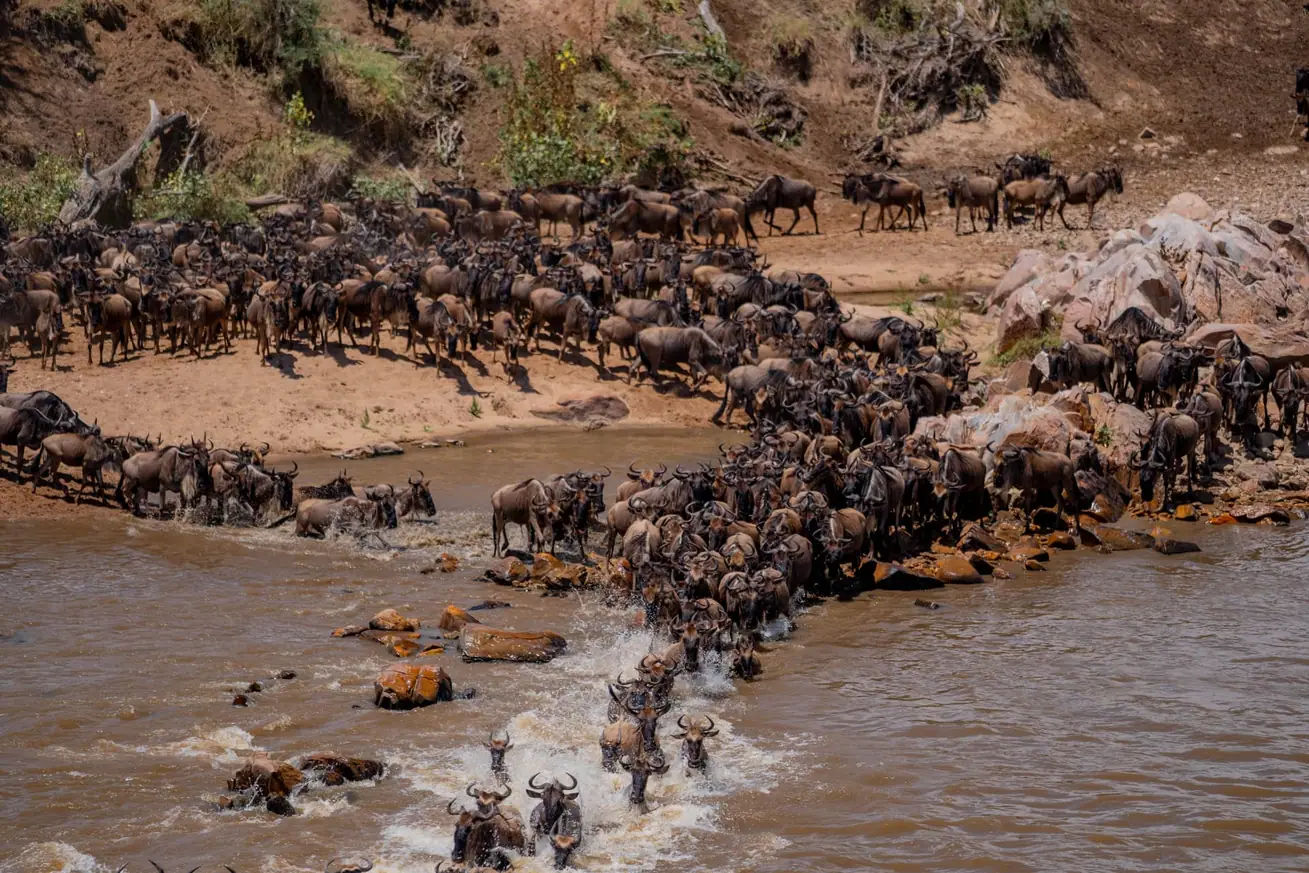
From $14,100 per person.
View ItineraryCalving
Ndutu & Southern Serengeti
Calves, large herds and heightened predator activity
Moving north
Central Serengeti
Green landscapes and herds moving through the Seronera region
Western Corridor
Western Serengeti
Herd movement and possible Grumeti River activity
River season
Northern Serengeti
Mara River activity and vast concentrations of wildebeest
Return south
Eastern & Central Serengeti
Fresh grazing draws the herds back toward the southern plains
This calendar is a planning guide, not a guarantee. Rainfall and grazing conditions can change the speed and location of herd movement each year.
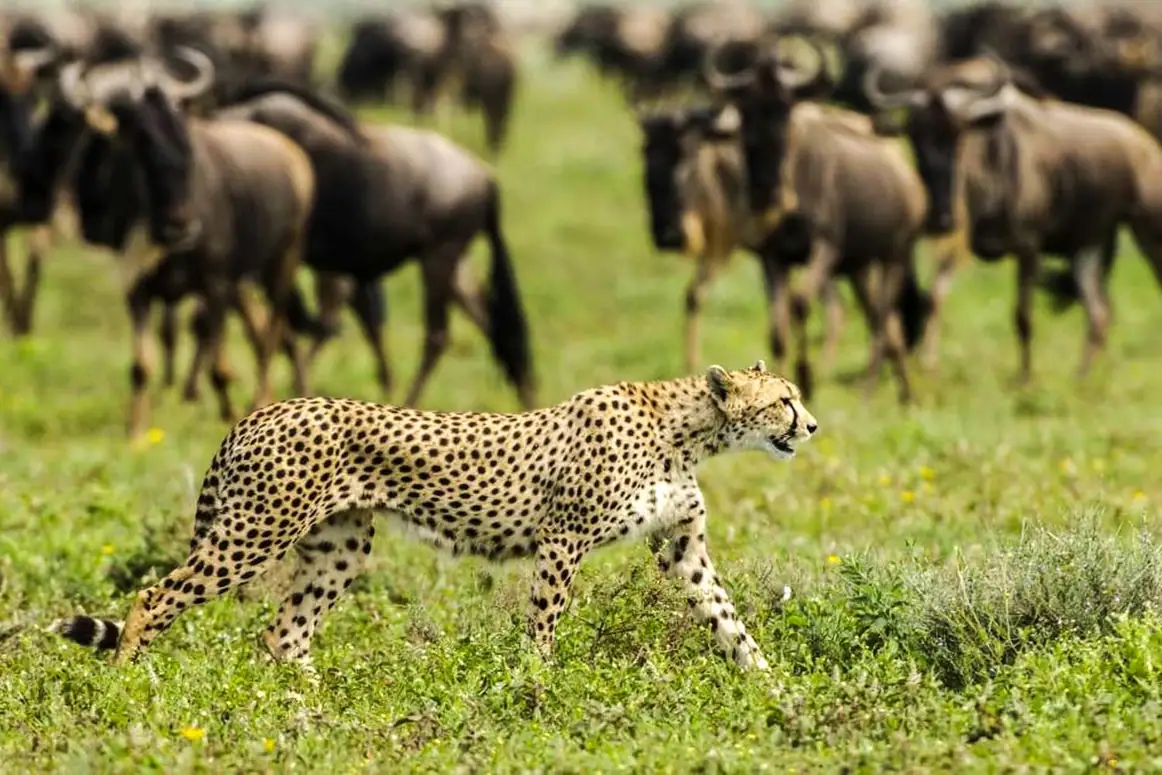 Serengeti National Park
A strong migration itinerary does not chase a fixed promise. It combines informed seasonal positioning with enough time for the herds to reveal their rhythm.
Choose camps near the likely movement area
Use multiple nights rather than rushing through
Adapt daily timing with your own guide
Enjoy predators, plains and the wider ecosystem
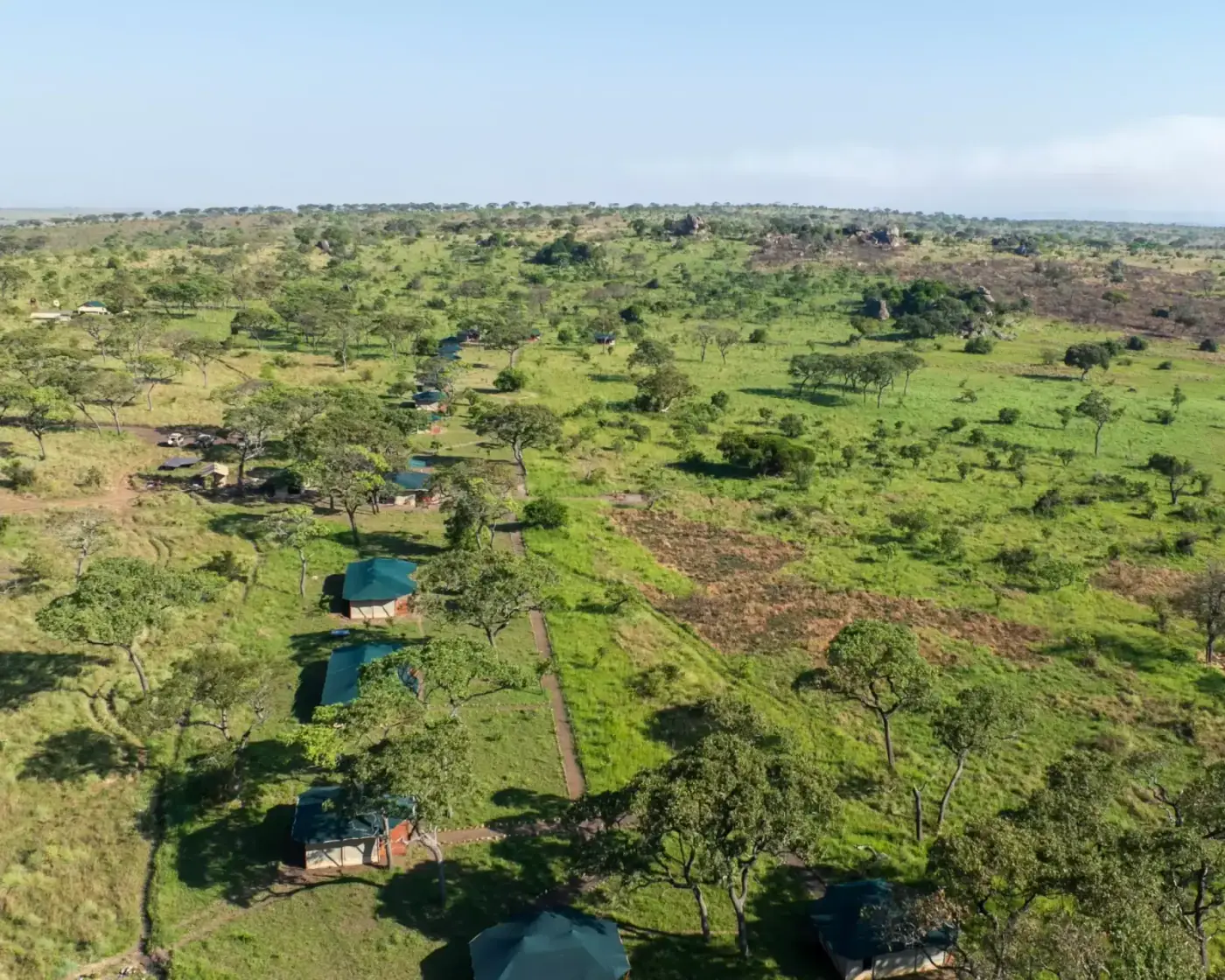
Serengeti
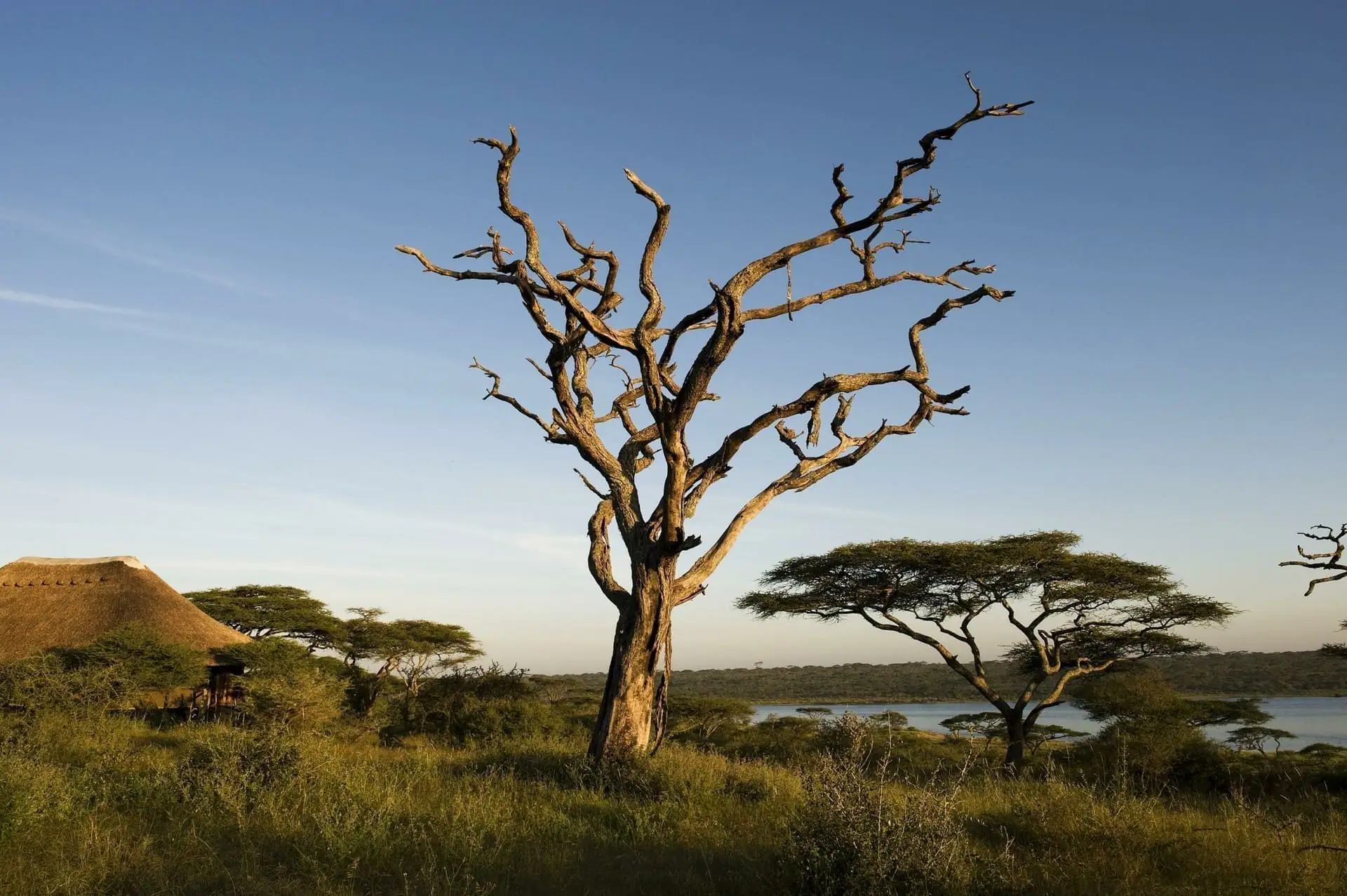
Ndutu
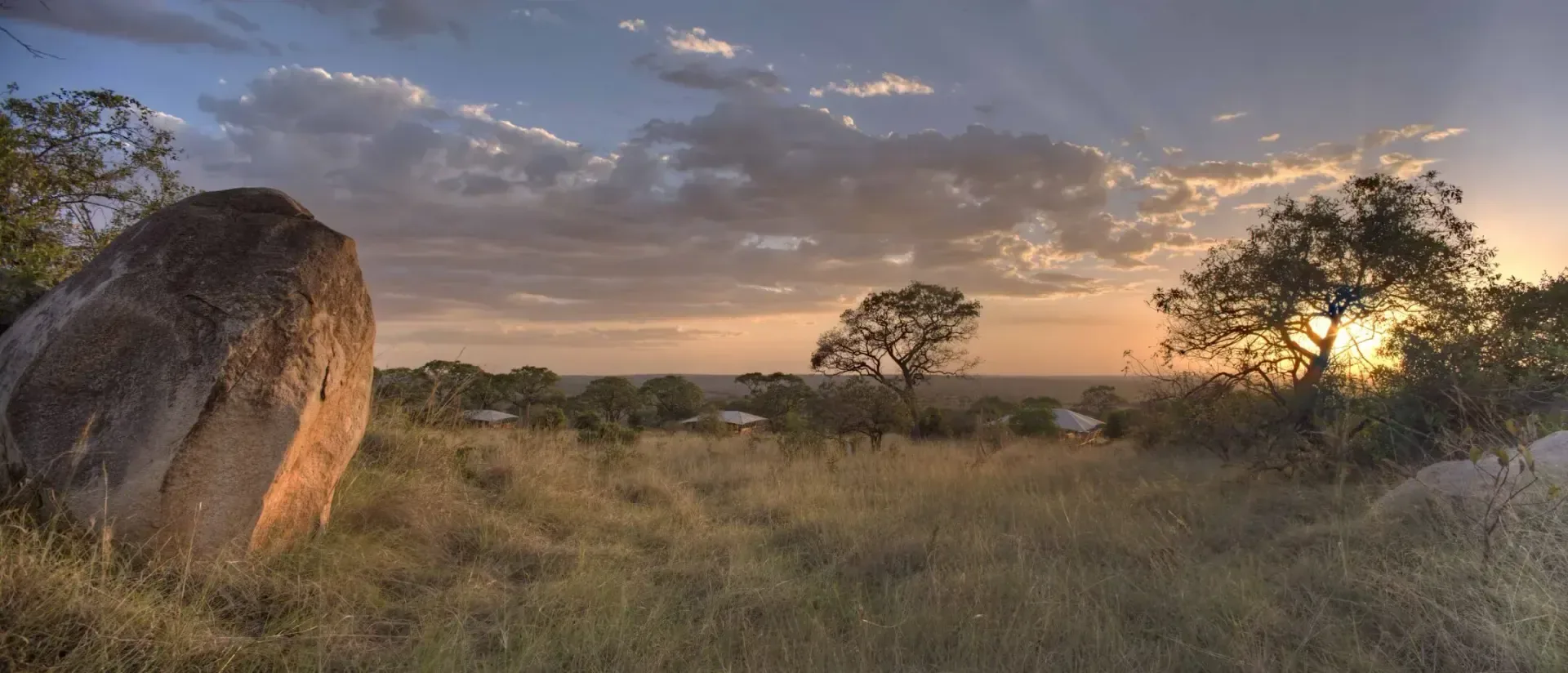
Northern Serengeti
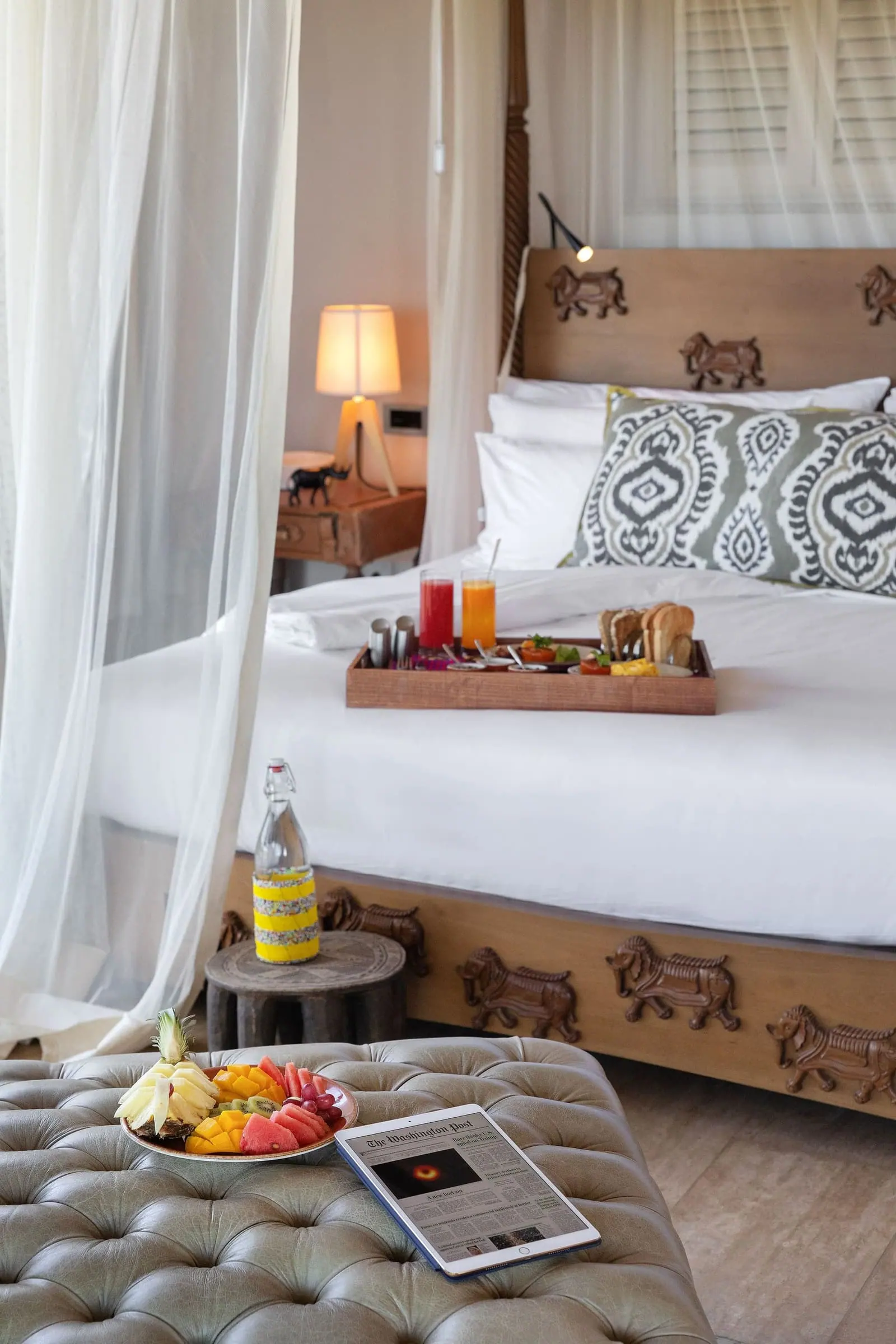
Central Serengeti
See our pick of the best luxury camps in the Serengeti, chosen by area and season.
Our Tanzania team plans around current seasonal conditions and realistic travel times.
Your vehicle and guide stay focused on your interests and preferred pace.
We recommend locations that fit your dates, comfort and budget.
Combine migration areas with Ngorongoro, Tarangire or Zanzibar.
Wildlife is free-ranging, so we never guarantee a river crossing.
One team supports your trip from first planning to your final transfer.
Not sure which side of the border suits your dates? Read our guide to the Maasai Mara vs Serengeti.
Share your travel window and we’ll recommend the right Serengeti region, camps and route for a private Great Migration safari.