

Paje lagoon
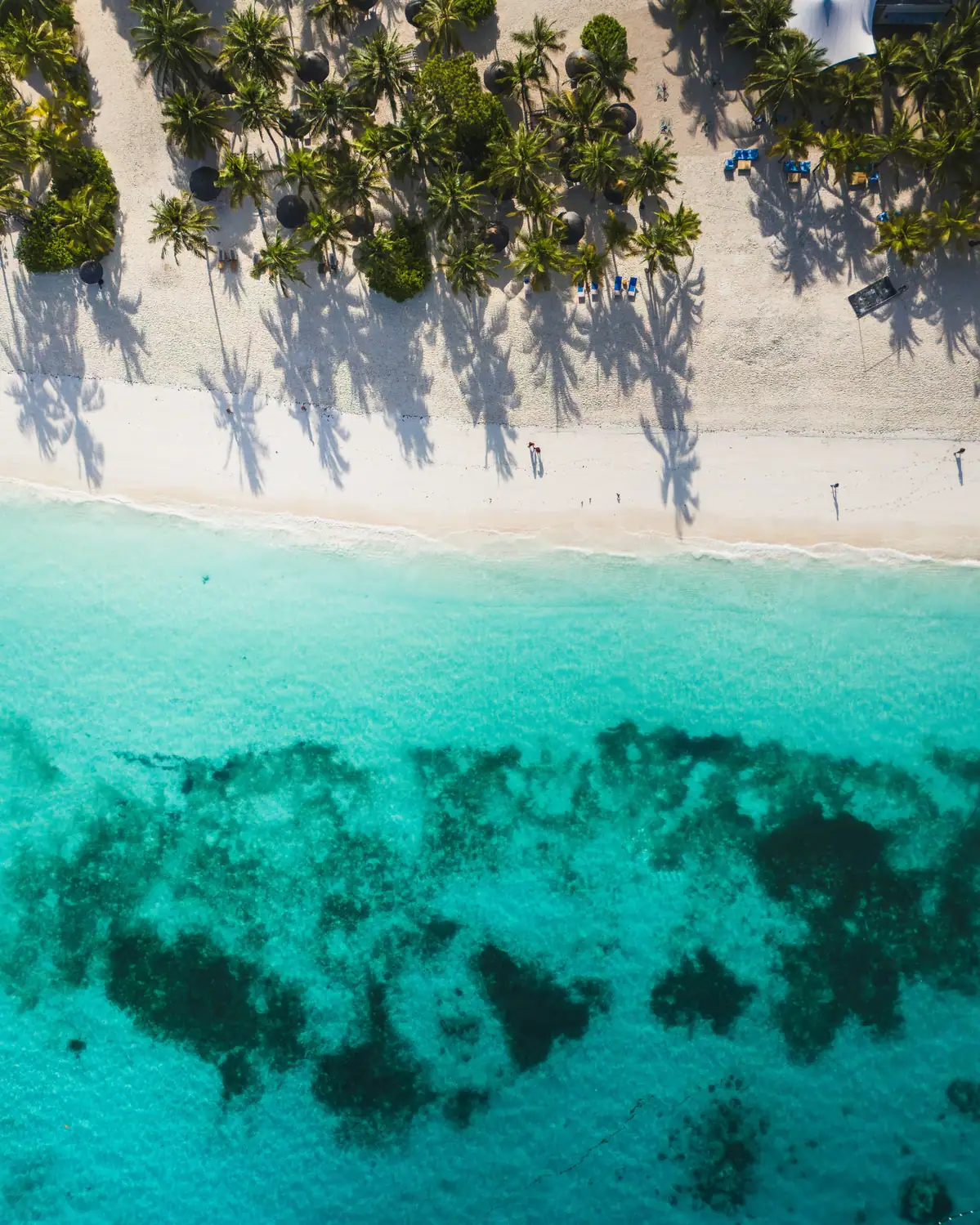
A wide, flat, waist-deep lagoon inside the reef — ideal conditions for learning to kitesurf, paddleboarding and safe swimming for families.
Zanzibar Archipelago
Internationally recognized for kitesurfing, Paje offers shallow lagoons, boutique hotels, diving schools, yoga retreats, and a laid-back coastal vibe.
In pictures
Overview
Paje is Zanzibar's kite-and-yoga capital. A wide, flat lagoon inside the reef creates ideal conditions for beginner and pro kitesurfers alike. Between sessions, boutique lodges, beach bars, dive centres and open-air yoga shalas set the pace of the day.
Highlights
Best time to visit
Kite seasons: mid-Dec – Feb and Jun – Sep
Strong, steady trade winds make these the prime kitesurfing windows.
How to get there
About 50 km from Stone Town — roughly one hour by road from Abeid Amani Karume International Airport (ZNZ).
Private transfer is the easiest way — most lodges arrange it on arrival.
Pairs naturally with Jambiani and Michamvi on the same east coast strip.
Paje Beach lies on Zanzibar's south-east coast and is one of the island's most vibrant destinations. Powder-white sand, a shallow turquoise lagoon inside the reef and steady trade winds have earned Paje an international reputation as one of Africa's premier kitesurfing spots.
Beyond the kites, Paje is a relaxed beach escape for couples, families and solo travellers — boutique lodges, yoga shalas, dive schools and beach cafés set the pace of the day.
Why visit
Paje blends tropical beauty with adventure. Expect kitesurfing lessons at every level, snorkelling and scuba diving on nearby reefs, paddleboarding, yoga and wellness retreats, and long sunrise walks along one of the Indian Ocean's most photogenic lagoons.
Chapter one
Paje grew up as a small Swahili fishing and seaweed-farming village on the south-east coast. Women still harvest seaweed on the flats at low tide — one of Zanzibar's most iconic sights and a mainstay of the local economy.
In the last fifteen years Paje has become East Africa's kitesurfing capital, but the village remains a working community and the coastline low-rise and low-key.
Not to miss
A wide, flat, waist-deep lagoon inside the reef — ideal conditions for learning to kitesurf, paddleboarding and safe swimming for families.
Multiple internationally certified kite schools line the beach, offering IKO/VDWS lessons for total beginners through to advanced freestyle coaching.
Reefs offshore are home to tropical fish, sea stars, octopus, sea turtles and colourful coral gardens — accessible by short boat trips from the beach.
A short drive north, Jozani is the last refuge of Zanzibar's endemic red colobus monkey — an easy half-day cultural and wildlife excursion.
A freshwater swimming cave, seaweed farms and a walking tour of Jambiani village bring the coast's Swahili culture to life.
Living heritage
Paje is still first and foremost a Swahili village. Fishermen head out on outrigger canoes at dawn, women farm seaweed on the tidal flats, and the call to prayer drifts across the beach — a genuine coastal rhythm alongside the kite scene.
Shopping
Must-try dishes
Where to stay
When to go
Mid-December – February
Kaskazi trade winds — the classic kitesurfing high season with warm, sunny days.
June – September
Kusi trade winds — the second, cooler and even more reliable kite season.
October – November
Lighter winds, warm seas and quieter beaches — great for diving and relaxation.
March – May
Long rains — quieter and greener, with occasional heavy afternoon showers.
Plan your visit
Safari + beach
Pair Paje with Jambiani and Michamvi on the same east-coast strip, or extend into a safari-and-beach itinerary via Stone Town.
Why Williamson
Williamson Adventures creates tailor-made Paje holidays with hand-picked beachfront lodges, private transfers, certified kite and dive schools, and seamless safari-and-beach combinations designed around your travel style.
Good to know
Keep exploring
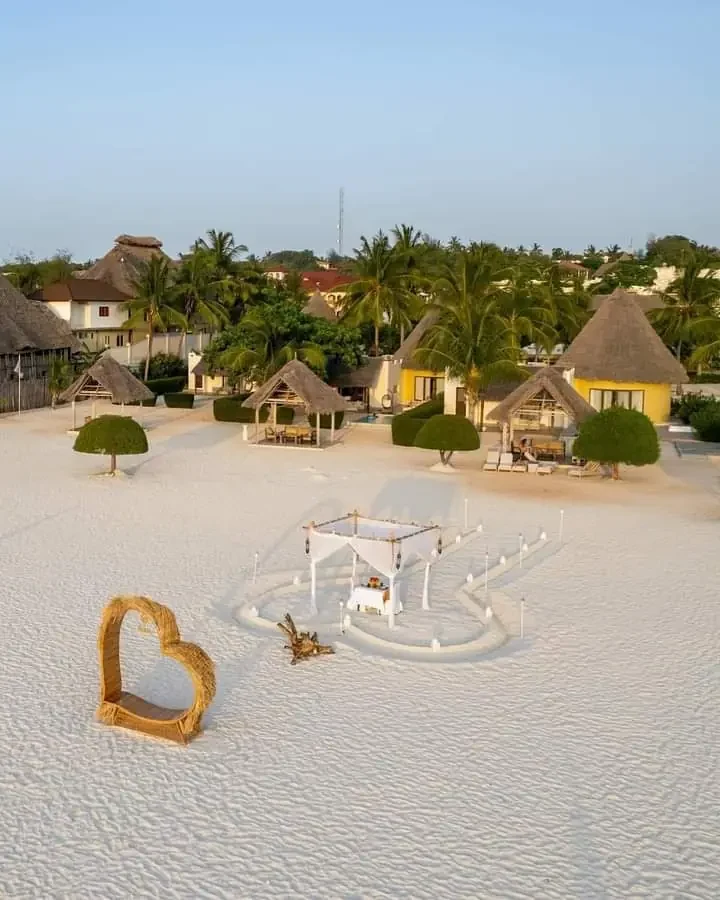
A UNESCO World Heritage Site, Stone Town is the cultural and historical heart of Zanzibar, blending African, Arab, Persian, Indian, and European influences.
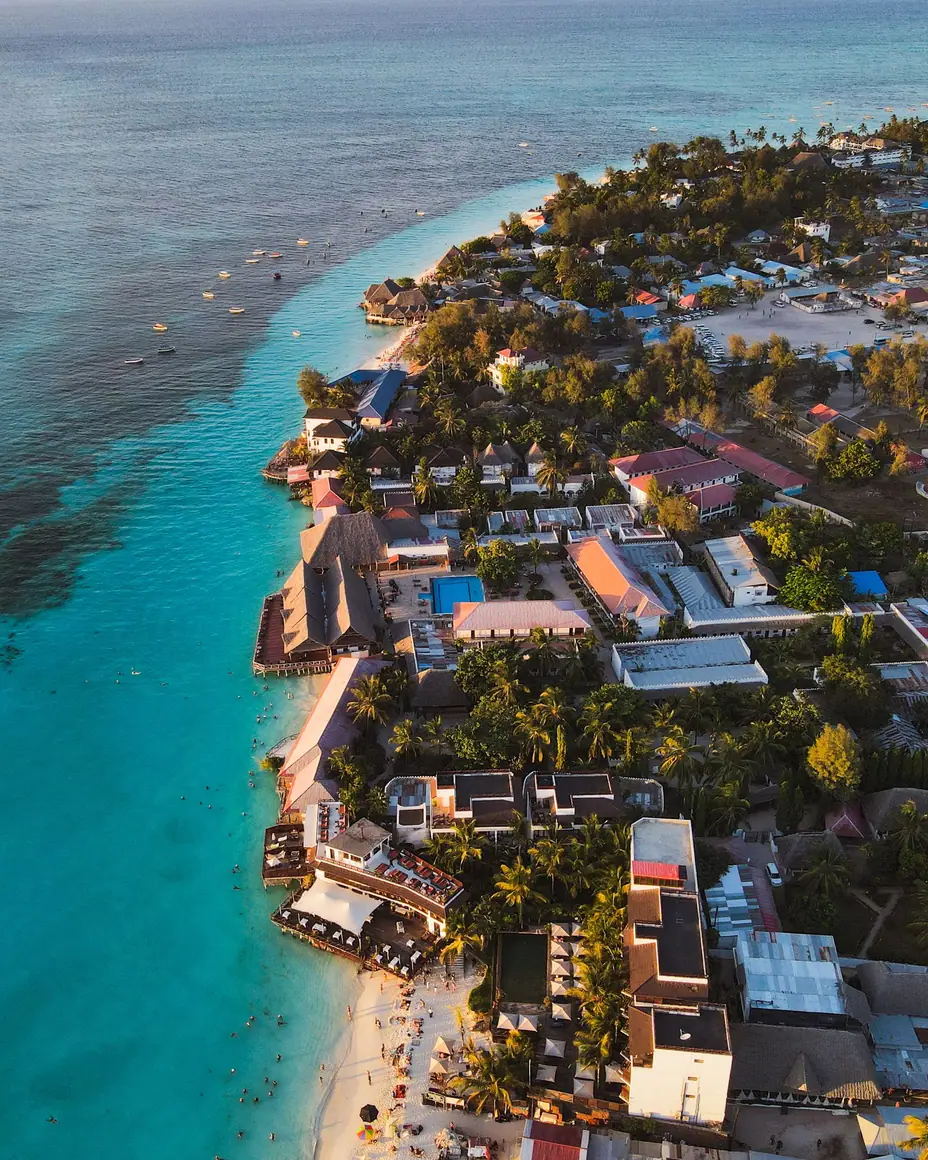
Zanzibar's premier beach destination, known for white-sand beaches, turquoise waters, luxury resorts, and year-round swimming.
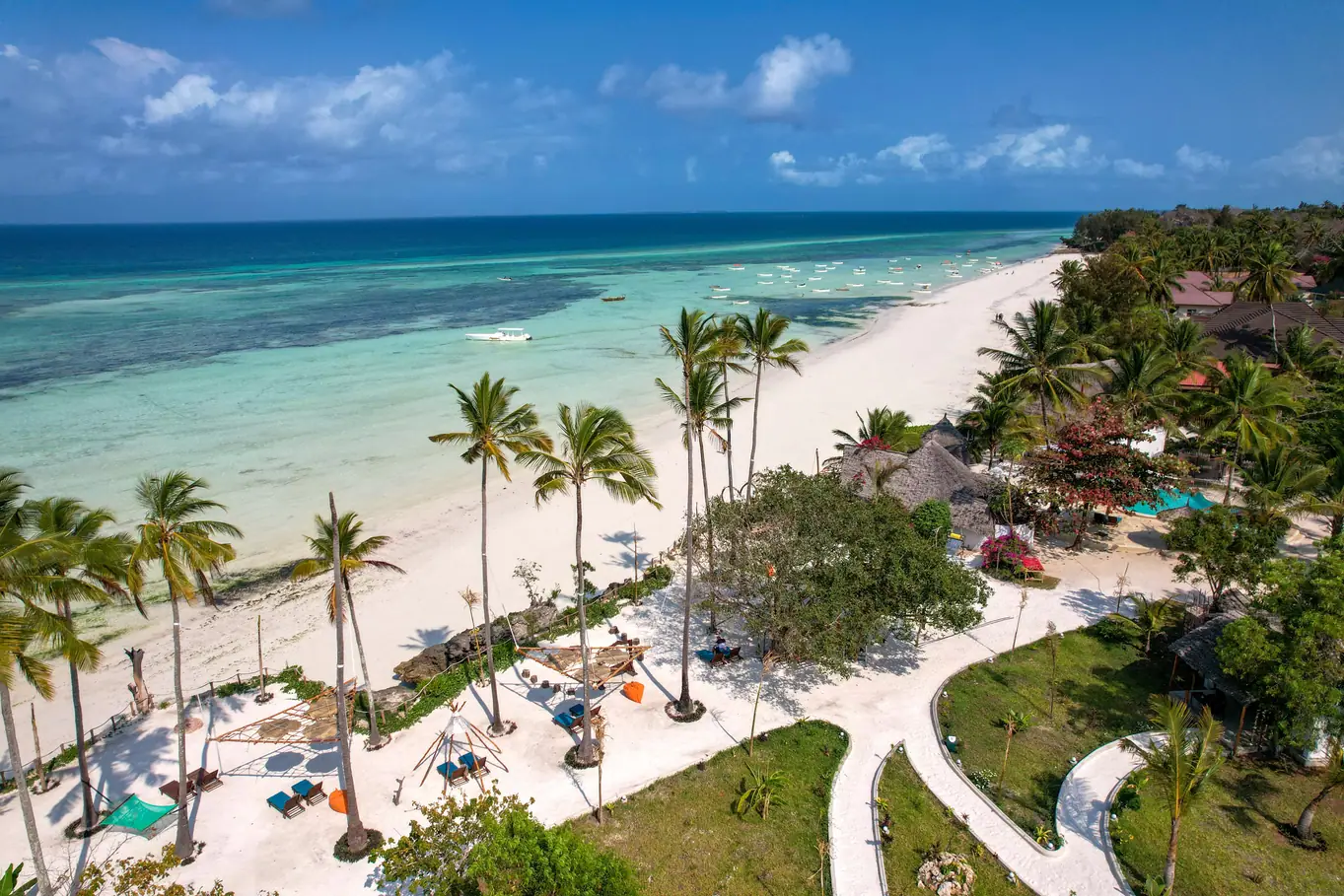
Kendwa Beach is celebrated for calm waters, spectacular sunsets, soft sand, and a relaxed yet lively coastal atmosphere.