






All Destinations
Northern Tanzania
Serengeti National Park
Let the great migration in this dynamic ecosystem move you
Serengeti National Park at a glance
- Size
- 14,750 km²
- Best time
- June–October (dry season), January–March (calving season)
- Getting there
- About 7–8 hours by road from Arusha, or 1–1.5 hours by light aircraft
- Park fee (non-resident adult)
- $82.60 per 24 hours in high season, $70.80 in low season
- Ideal stay
- 3–4 nights, ideally split between two areas
Overview
Last updated: October 31, 2026 · By William Sanga, CEO
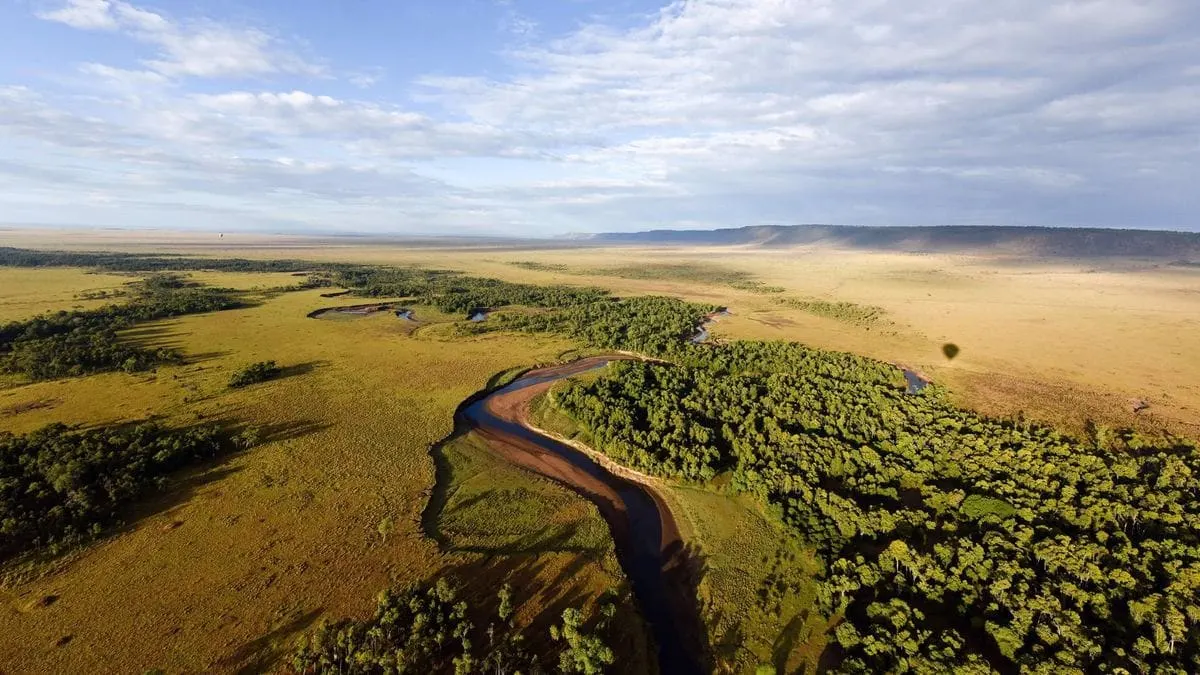
Serengeti National Park is Tanzania's largest and best-known safari park, covering 14,750 km² of grassland in the north of the country. It is home to the Great Migration of about 1.5 million wildebeest and some of Africa's highest lion densities. The best time to visit is June to October for dry-season game viewing and river crossings, or January to March for the calving season in the south.
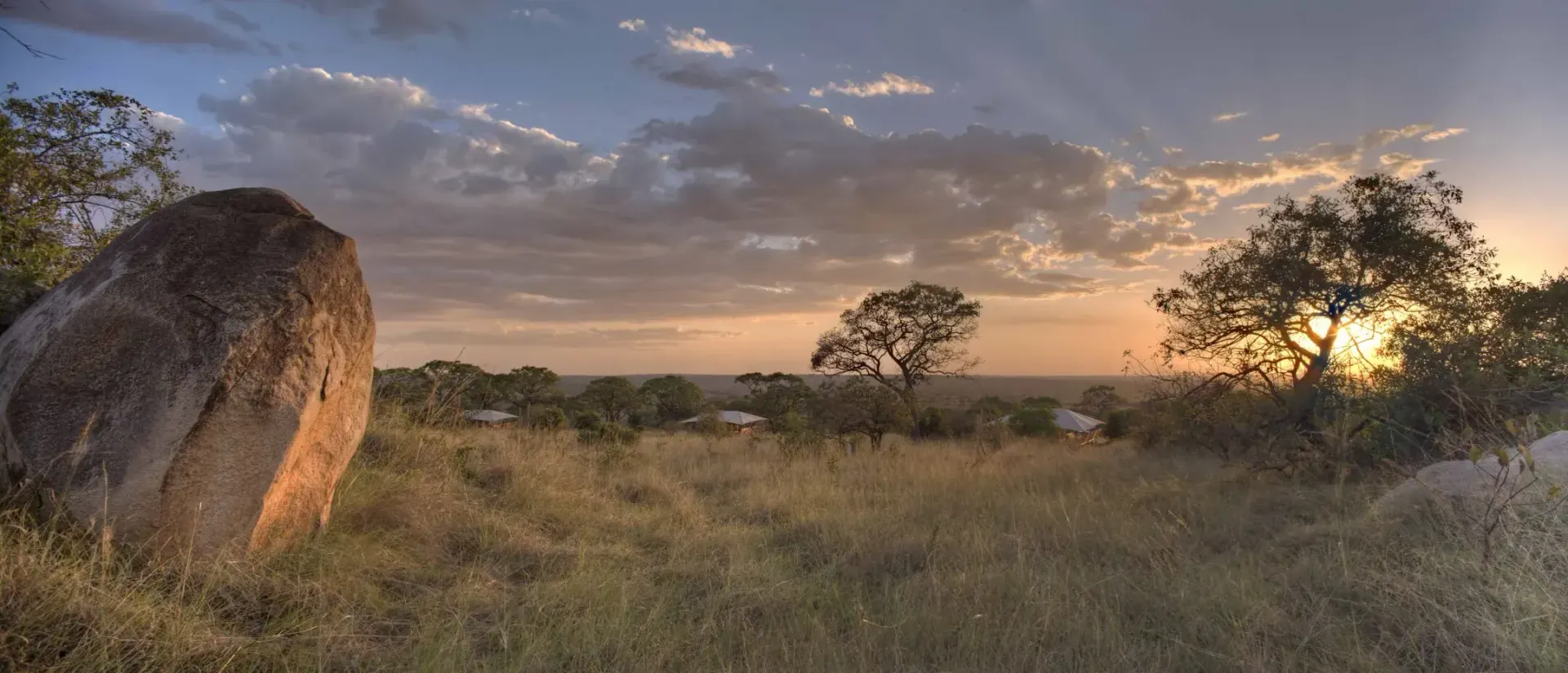
The magic of Serengeti National Park is not easy to describe in words. Not only seeing, but also hearing the buzz of millions of wildebeest so thick in the air that it vibrates through your entire body is something you will try to describe to friends and family, before realising it's impossible. Vistas of honey-lit plains at sunset, the genuine smiles of the Maasai people, and the feeling of constantly being amongst thousands of animals — it doesn't matter what season you visit, the Serengeti is magical all year round.
Serengeti National Park has been a UNESCO World Heritage Site since 1981. Today, most visitors come here to witness millions of wildebeest, zebras, gazelles and elands on a mass trek to quench their thirst for water and eat fresh grass. During this great cyclical movement, these ungulates move around the ecosystem in a seasonal pattern defined by rainfall and grass nutrients. Whereas other famous wildlife parks are fenced, the Serengeti is protected but unfenced — giving animals enough space to make their return journey, one they've been doing for millions of years.
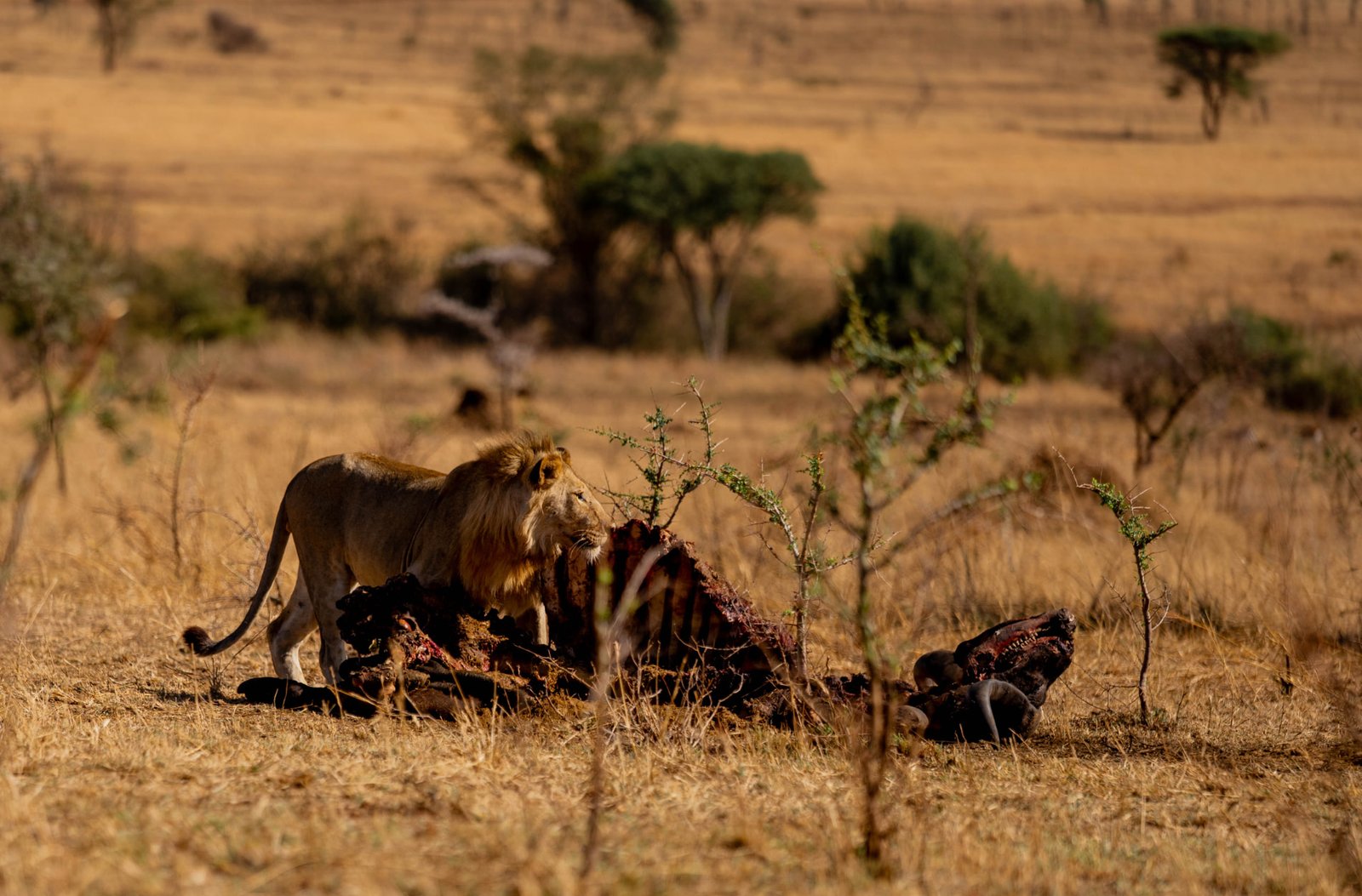
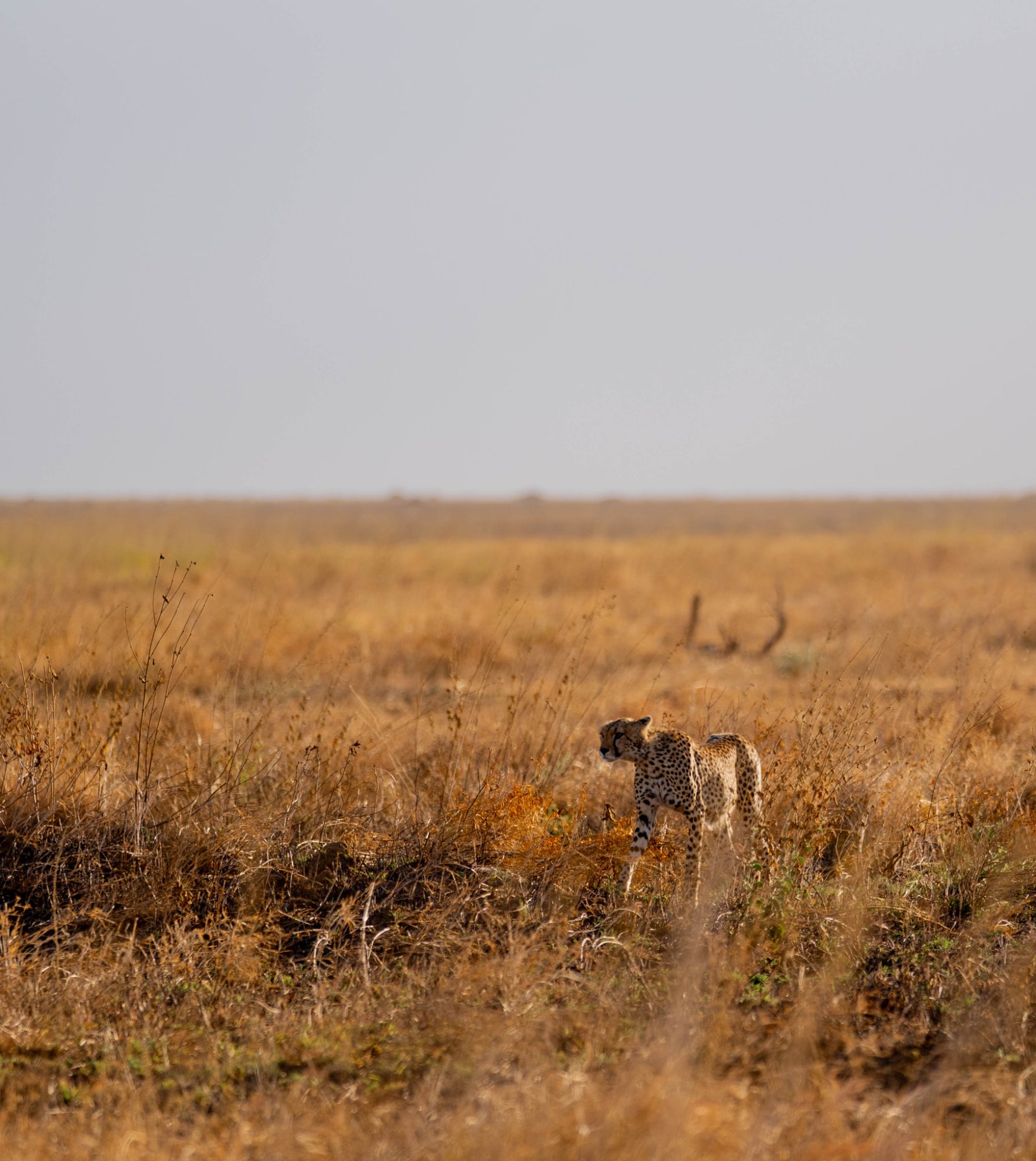
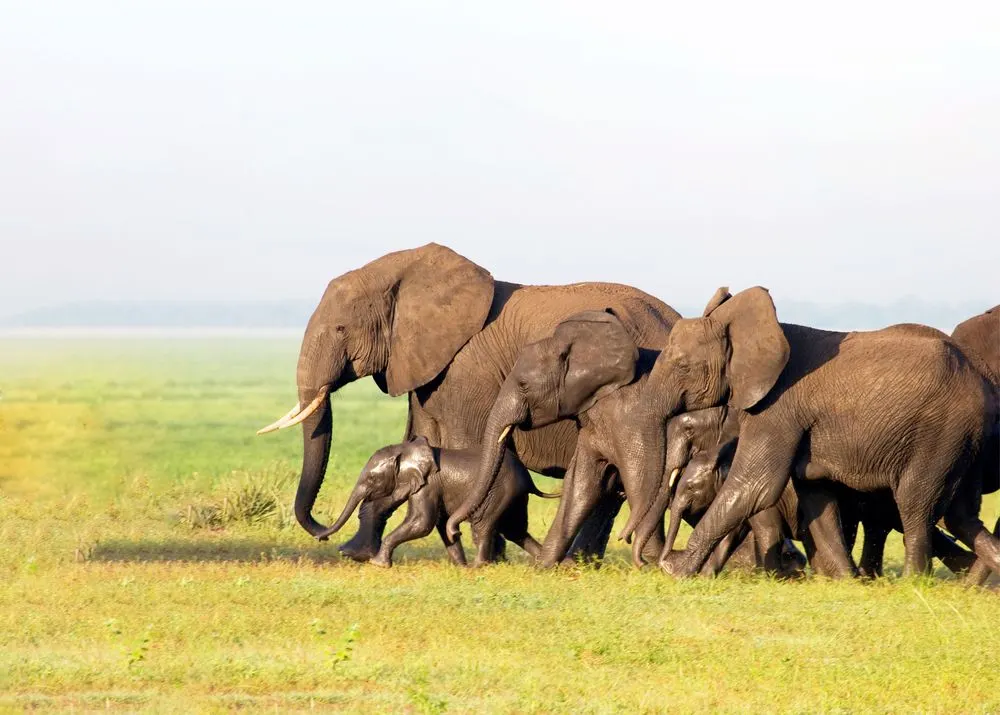
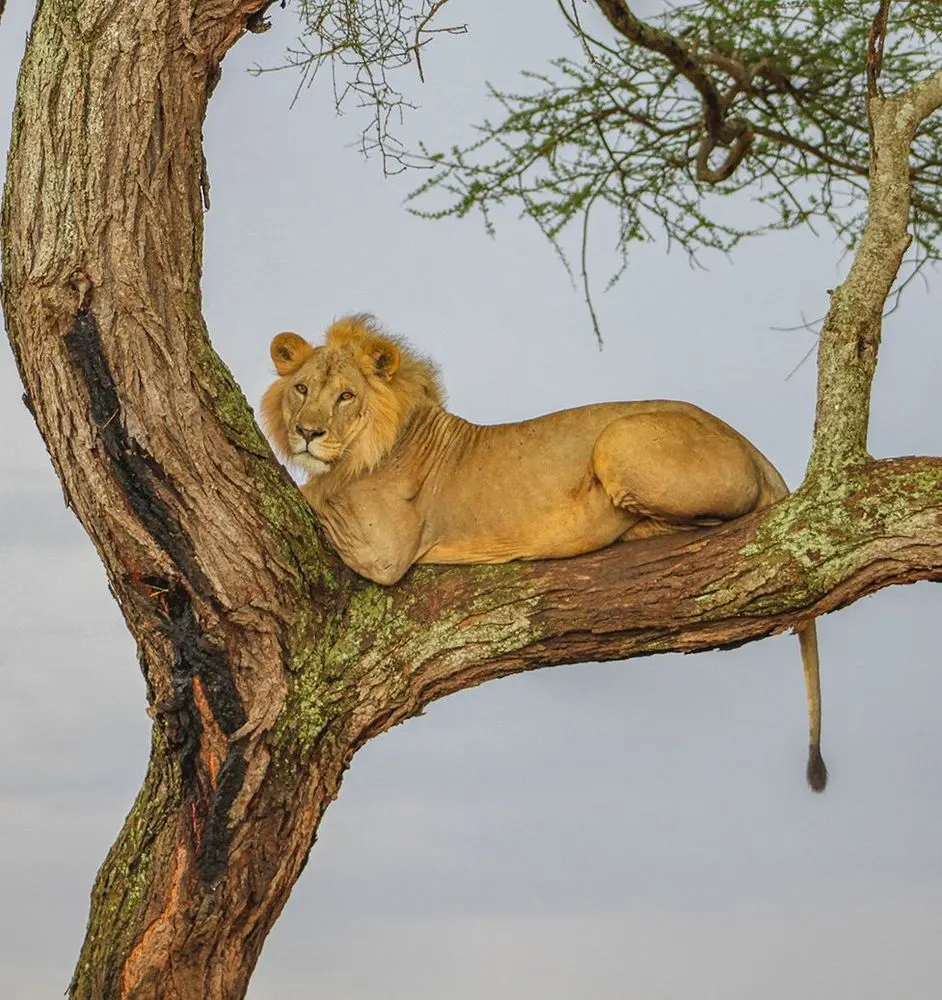
Beyond the Great Migration, the Serengeti answers the lion's call with one of the largest concentrations of predators in the world: the herds support about 7,500 hyenas, 3,000 lions and 250 cheetahs. Silent grey elephants amble over the plains into the woodlands, feasting on leaves and branches. This transition area moves from rich flat soils to poor hilly soils in the north, attracting a wide variety of vegetation and animals — whether you are looking for big cats, birds or smaller creatures, the Serengeti delivers.
Even though animals still rule the plains, this area has an incredibly long history of human occupation. Fossil footprints at nearby Laetoli show that early human ancestors walked this region about 3.7 million years ago, and the park remains home to indigenous tribes today. The most famous — the Maasai — have clung to their traditional way of life despite modern influences, making them a symbol of Tanzanian culture.
Where the Great Migration is, month by month
December–March
Southern plains and Ndutu: calving season January–March, peak predator action
April–May
Central Serengeti, herds moving north during the long rains
June–July
Western Corridor: Grumeti River crossings
July–October
Northern Serengeti: Mara River crossings
November
Herds moving south again with the short rains
Planning around the herds? See our Great Migration safaris or the 8-day calving season safari.
Highlights
- The Great Migration — millions of wildebeest, zebra and gazelle on the move
- Around 3,000 lions, 250 cheetahs and 7,500 hyenas across the ecosystem
- Calving season on the southern plains (January to March)
- Dramatic Mara & Grumeti river crossings (Jul – Oct)
- Hot-air balloon safaris over the endless plains
- Maasai cultural encounters
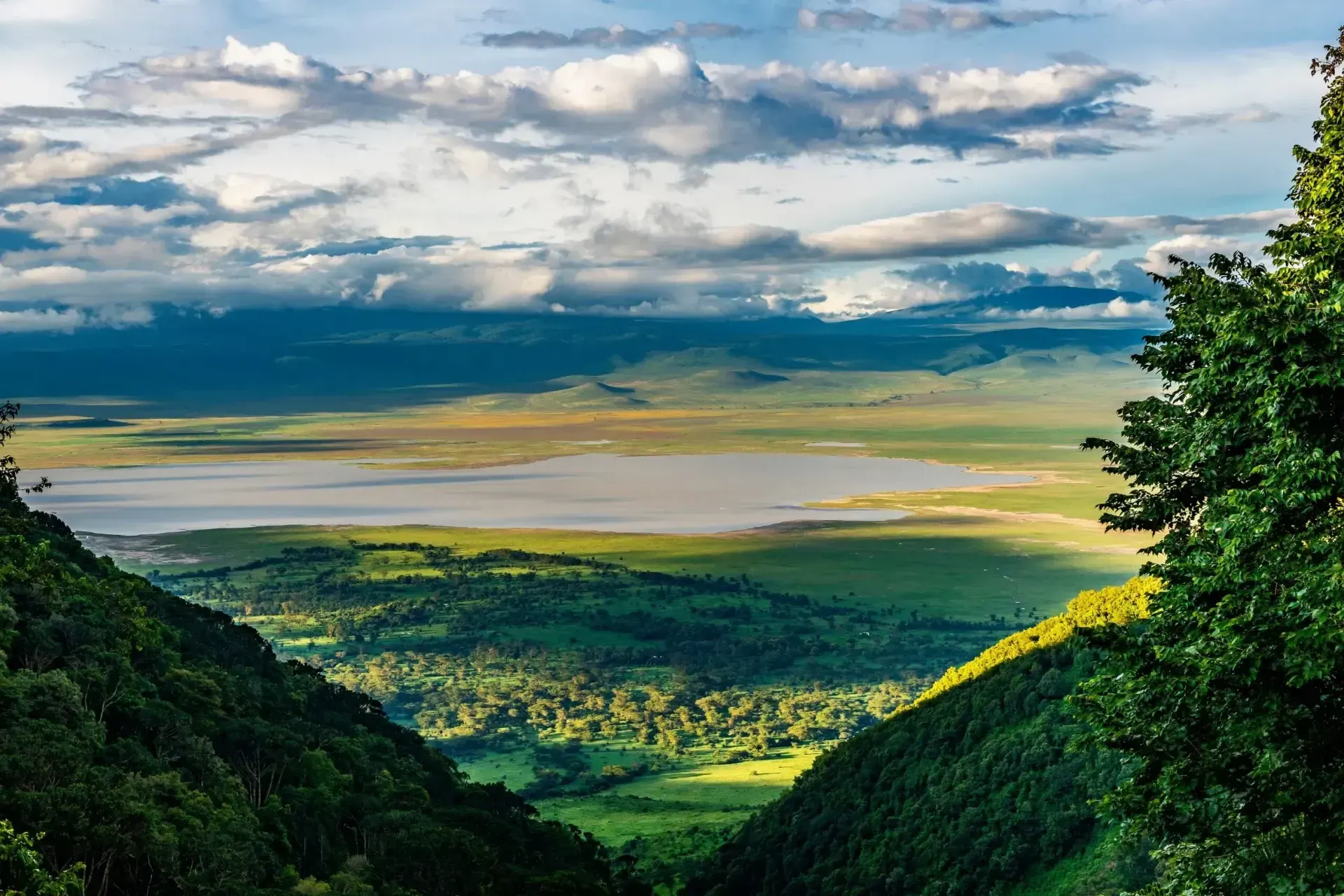
- Olduvai Gorge, one of the world's most important early-human sites, in the Ngorongoro Conservation Area on the road to the Serengeti
Getting There
About 7–8 hours by road from Arusha via Ngorongoro, or fly from Arusha or Kilimanjaro to Seronera, Kogatende, Kusini or Grumeti airstrips (1 – 1.5 hrs).
Wildlife
What you'll see
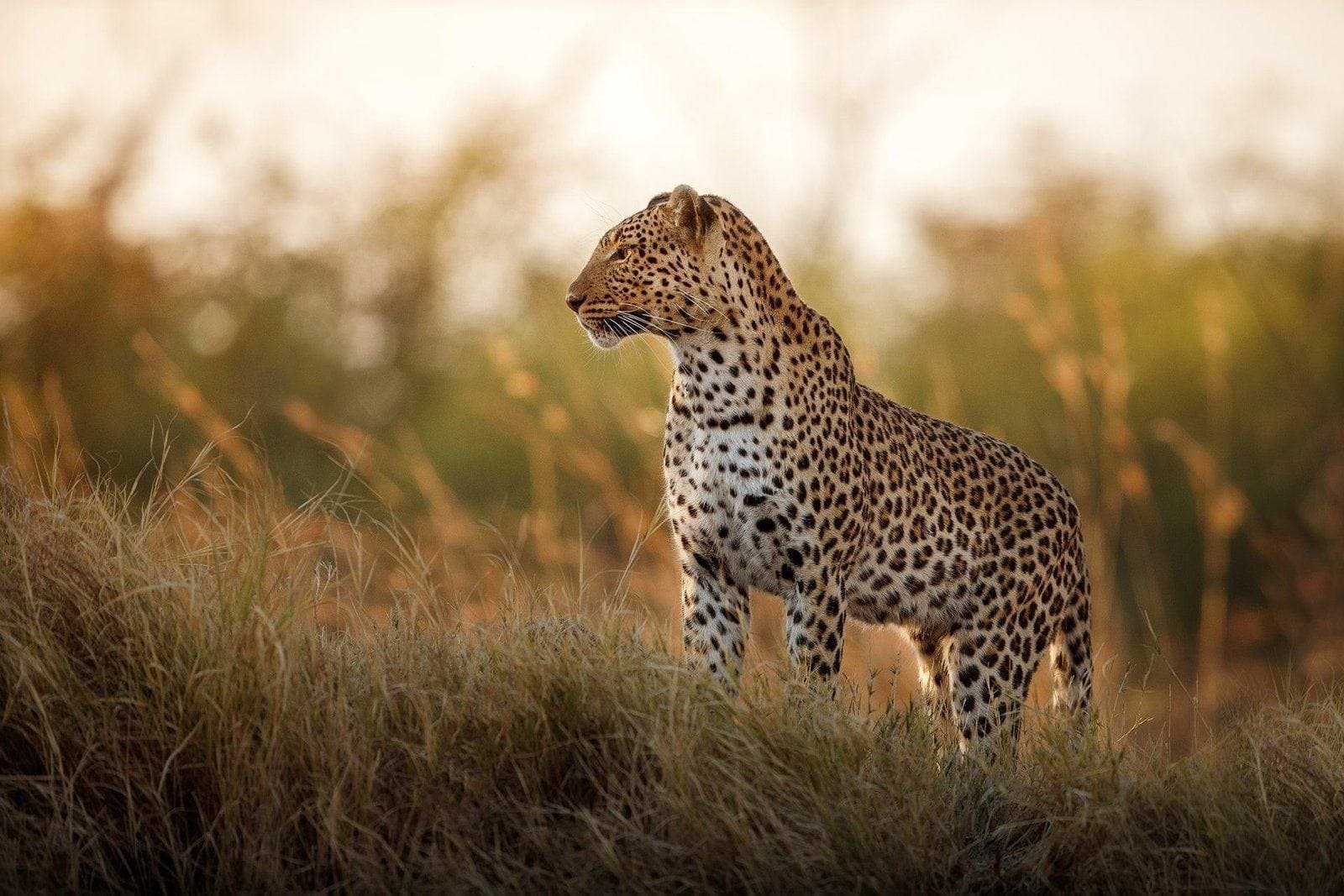
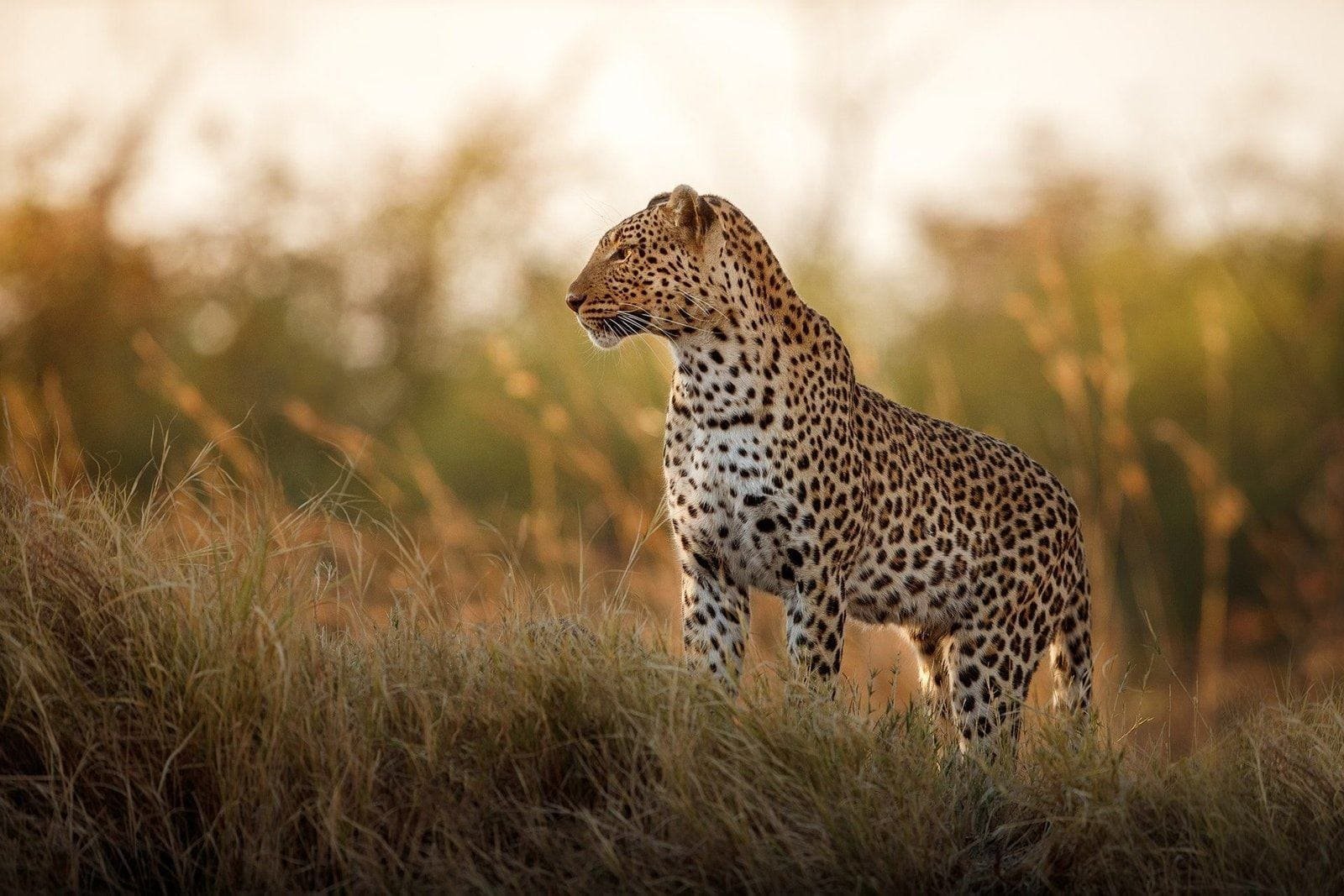
WildebeestZebraLionLeopardCheetahHyenaElephantGiraffeBuffaloBlack RhinoHippoCrocodile
Activities
What you can do
Game drivesHot-air balloon safarisGuided bush walksMaasai cultural visitsPhotography safaris
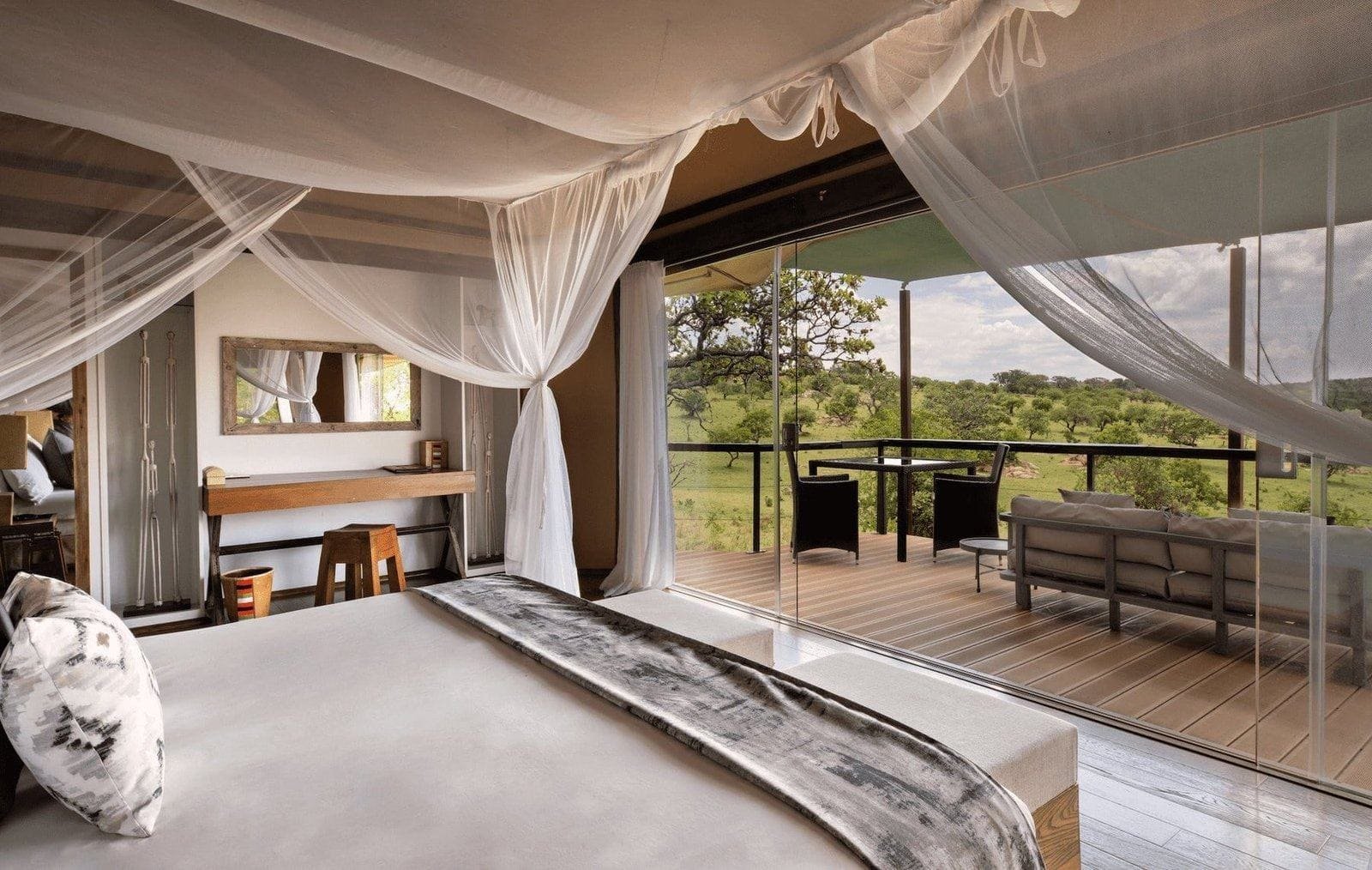
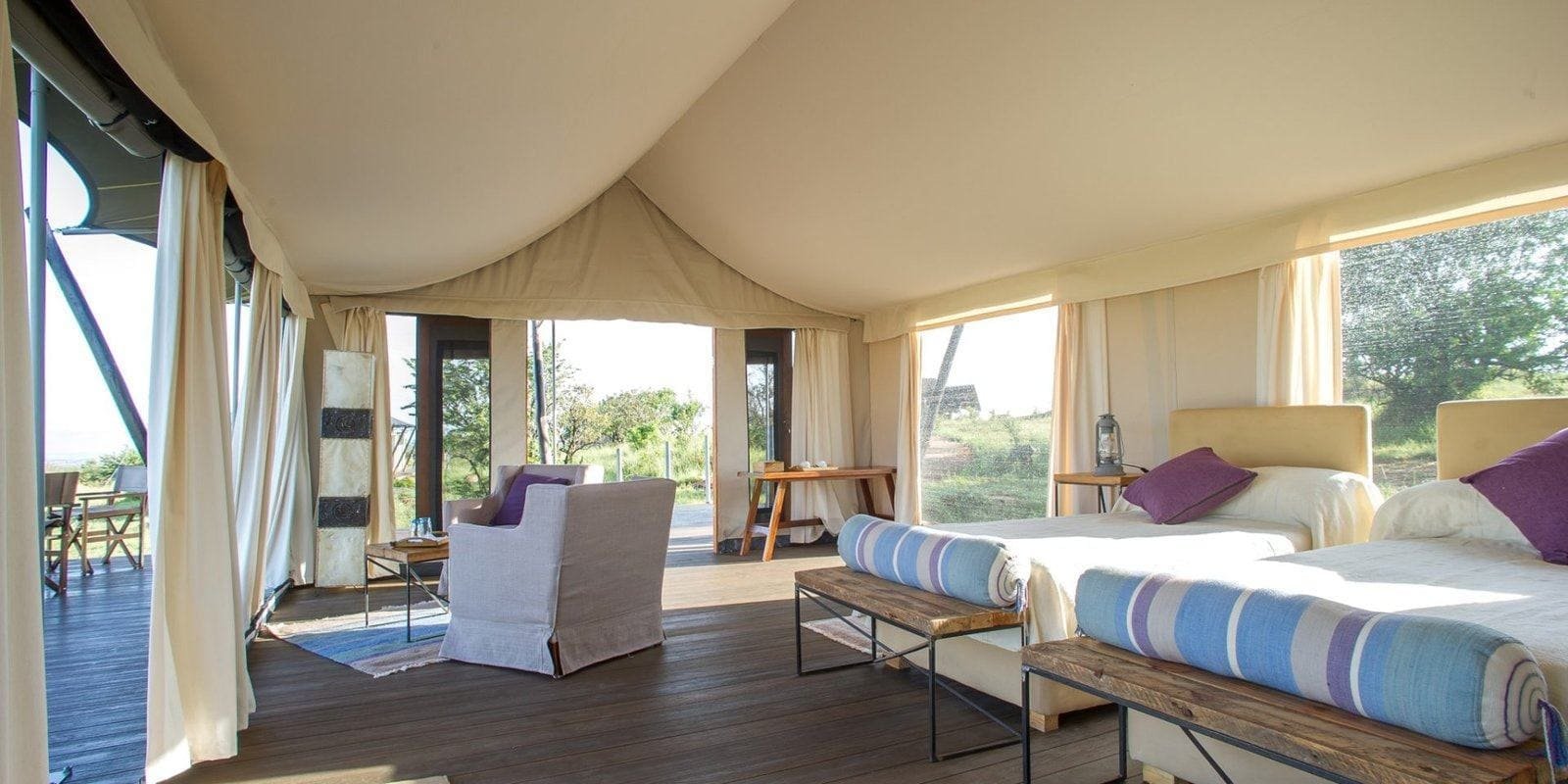
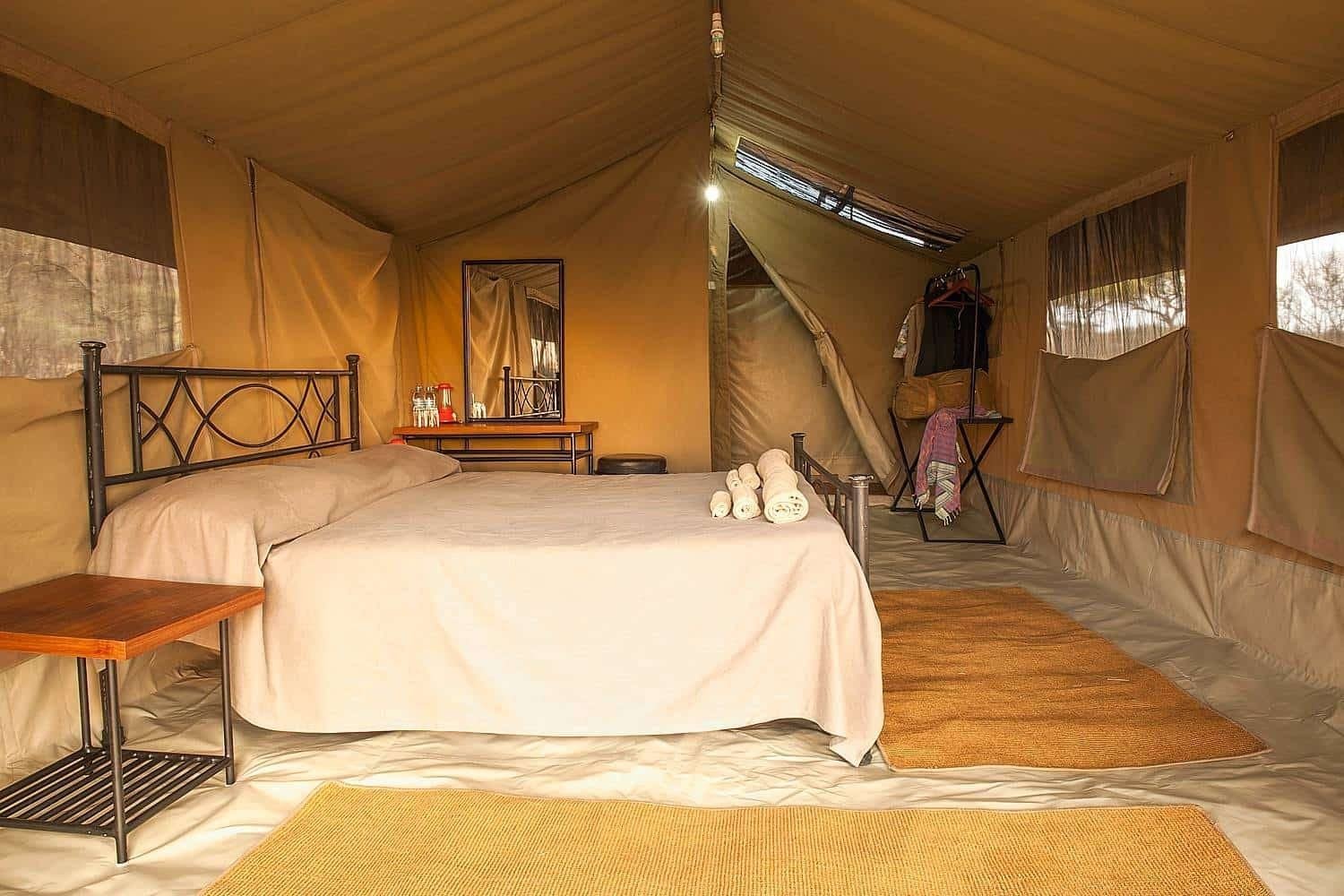
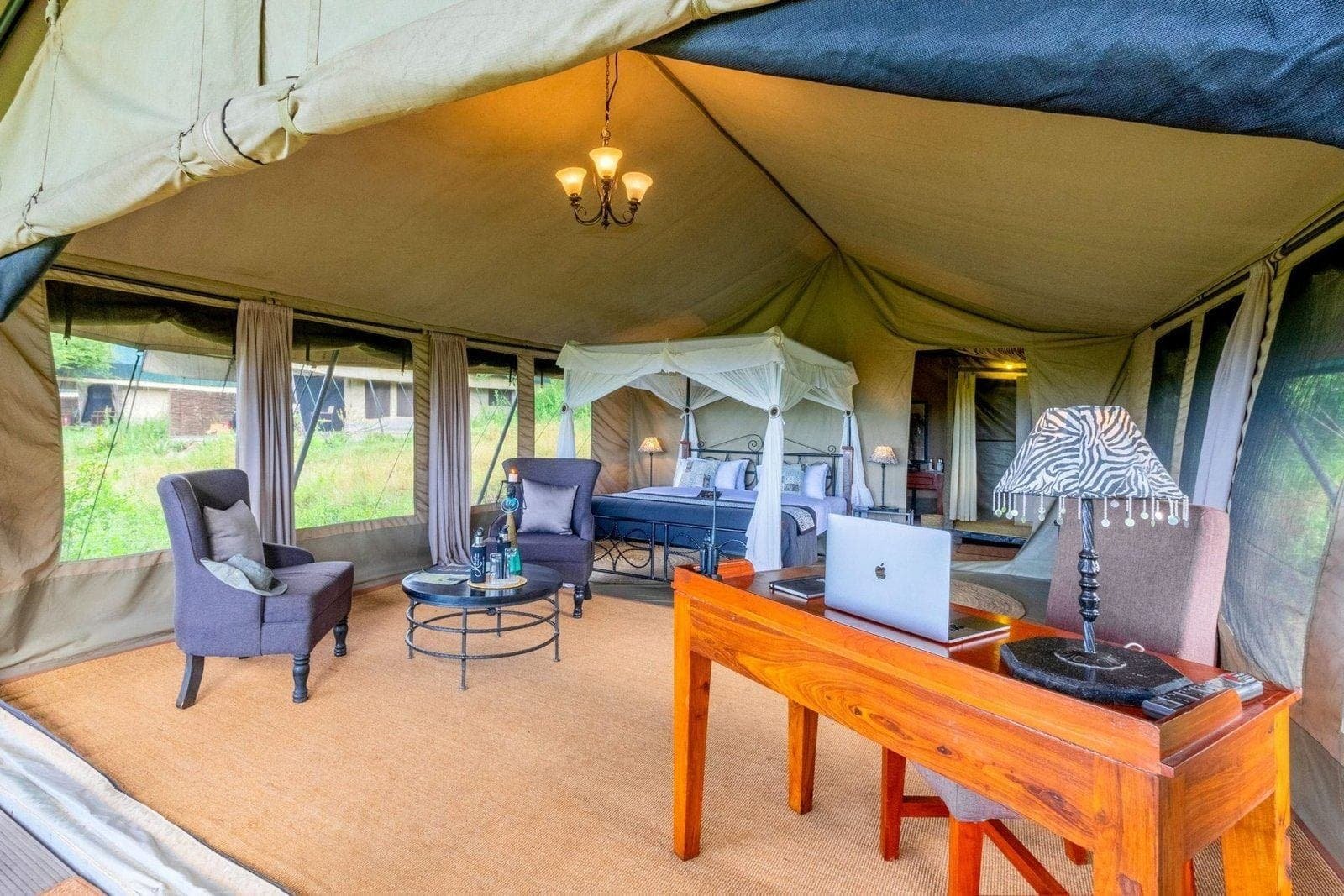
See our pick of the best luxury camps in the Serengeti.
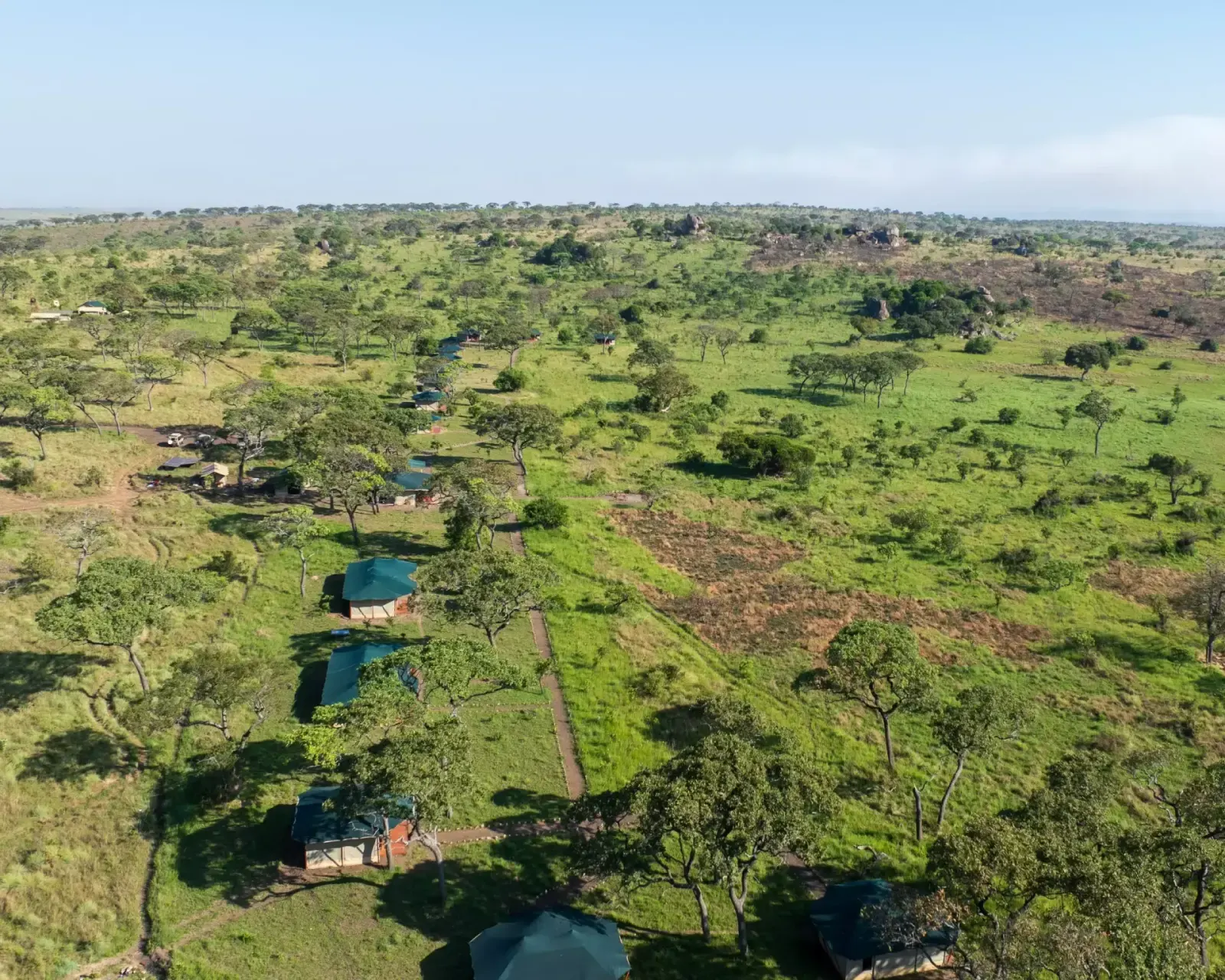
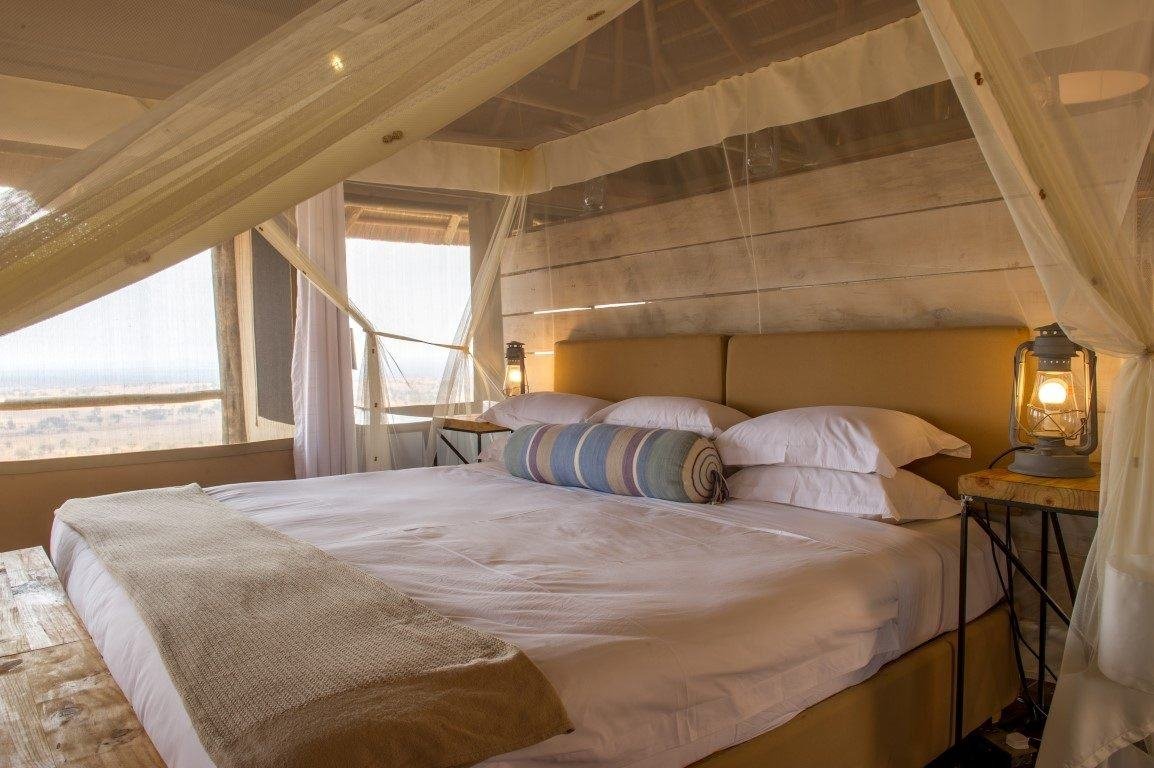
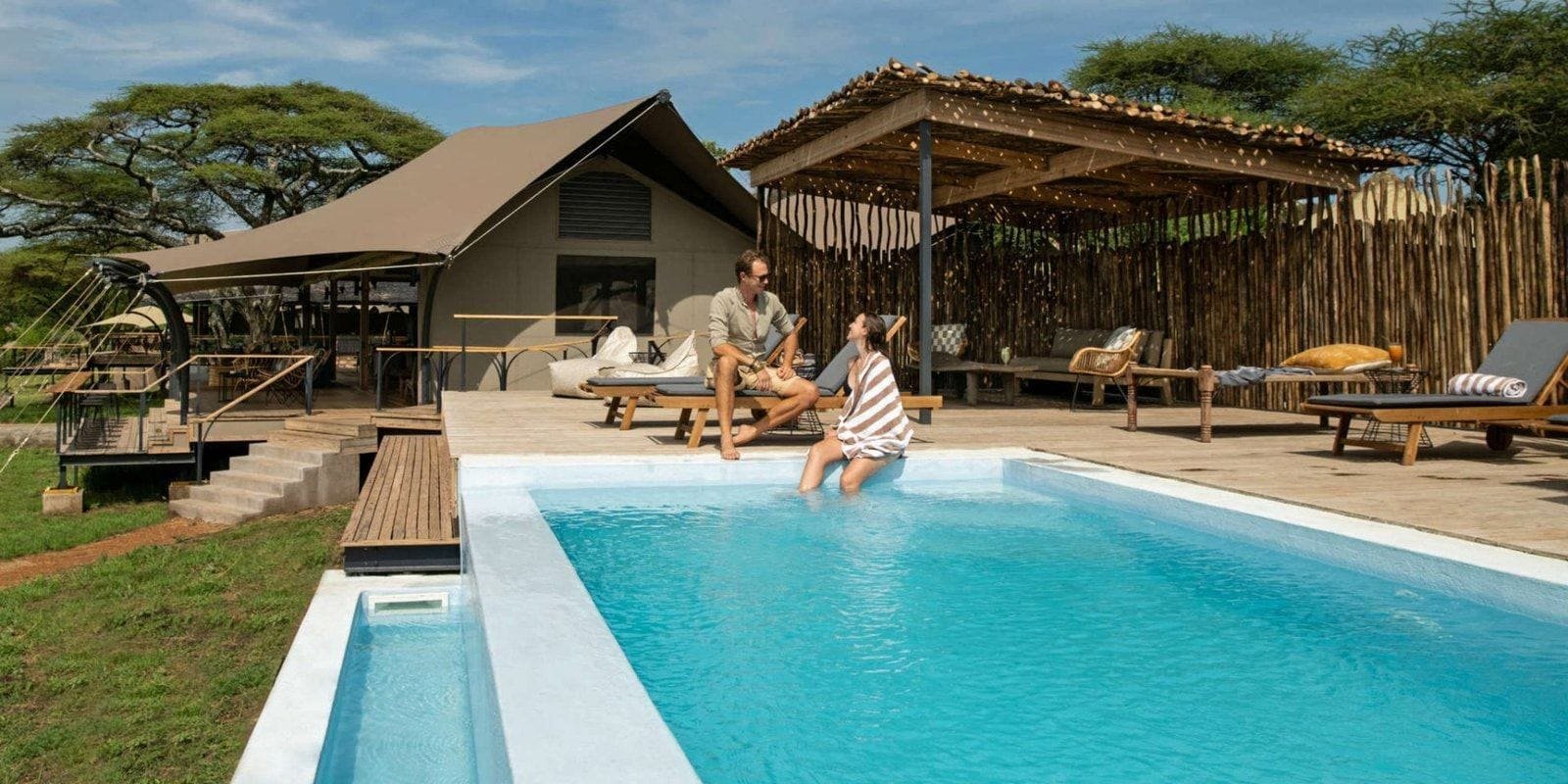
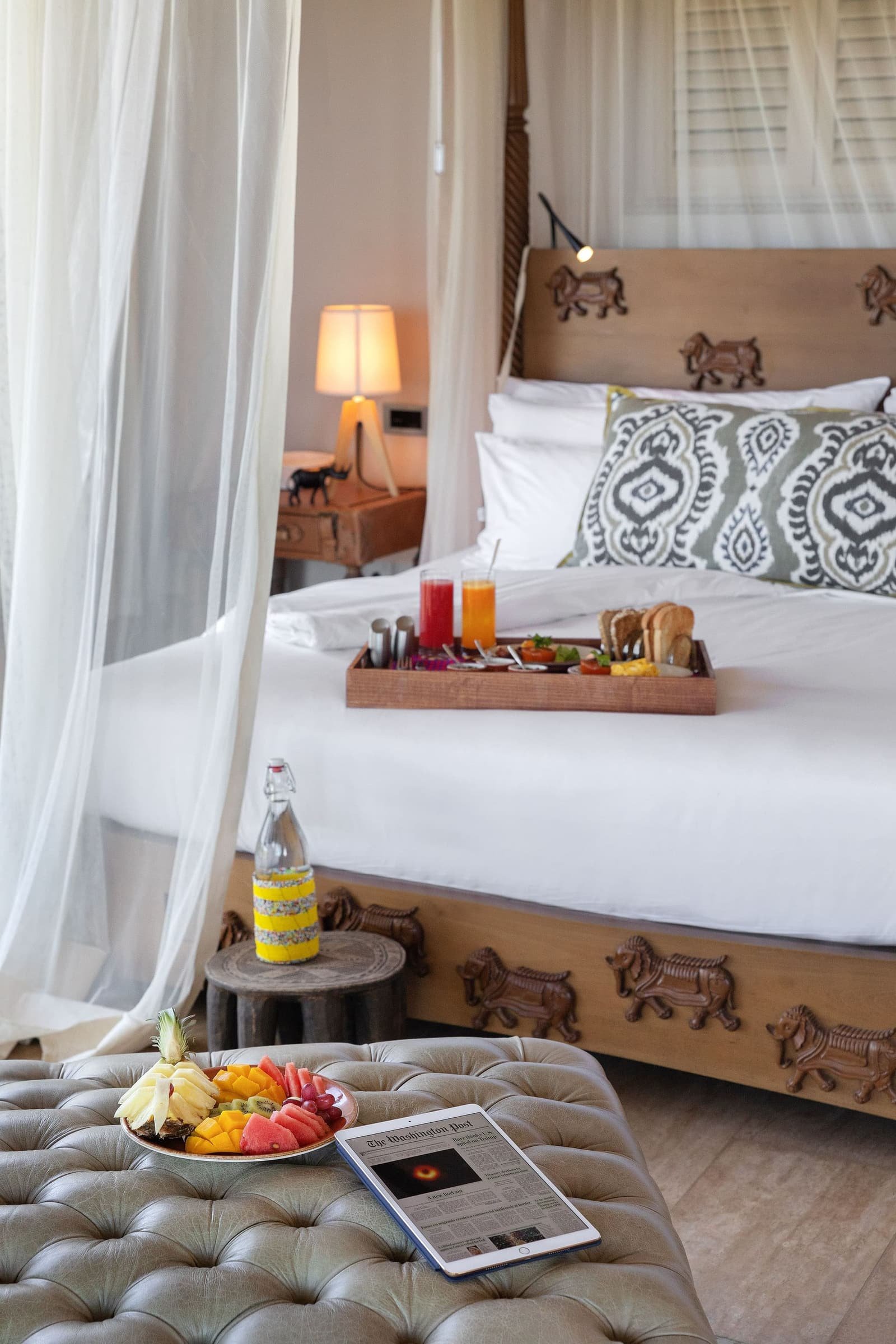
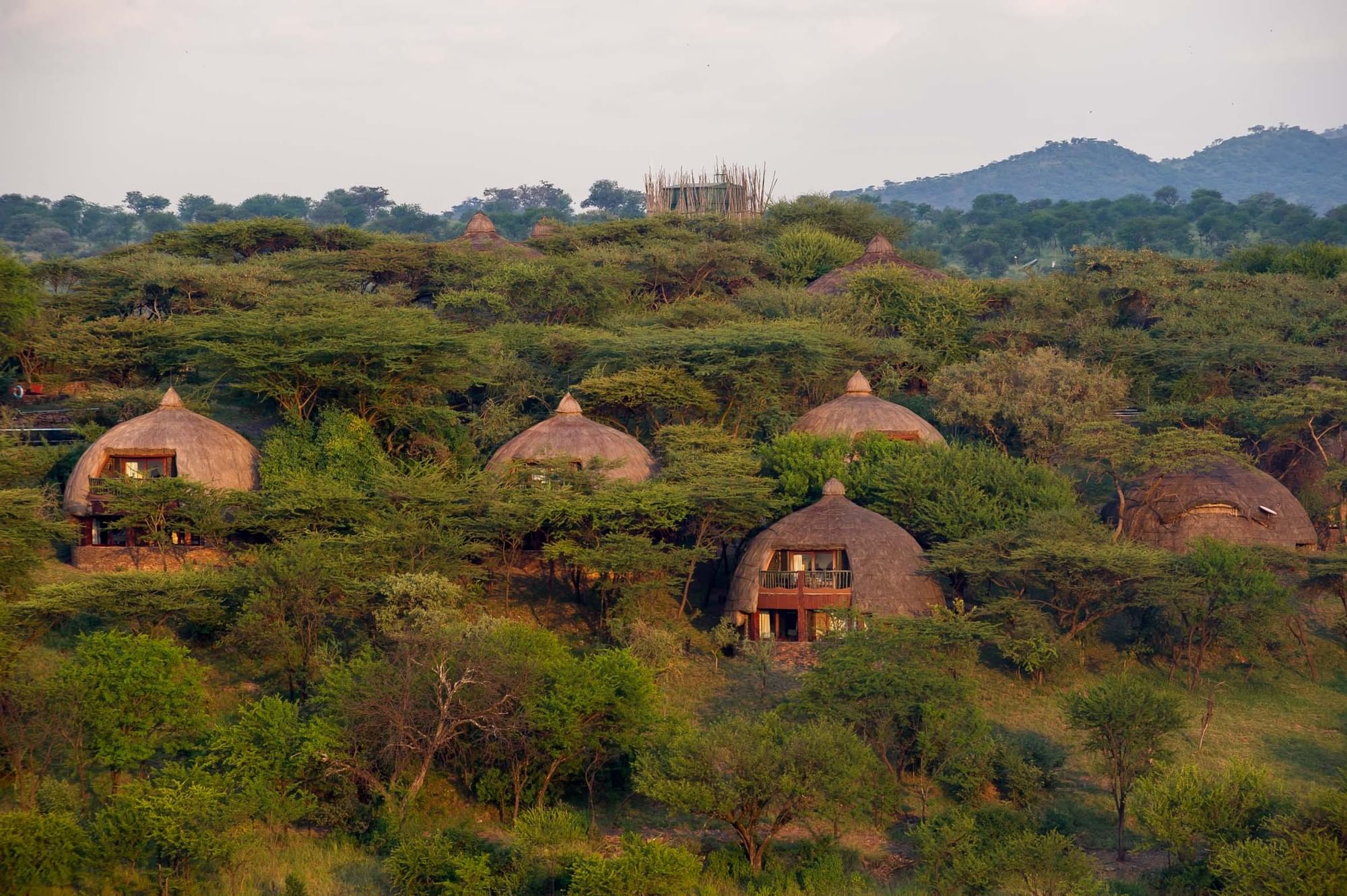
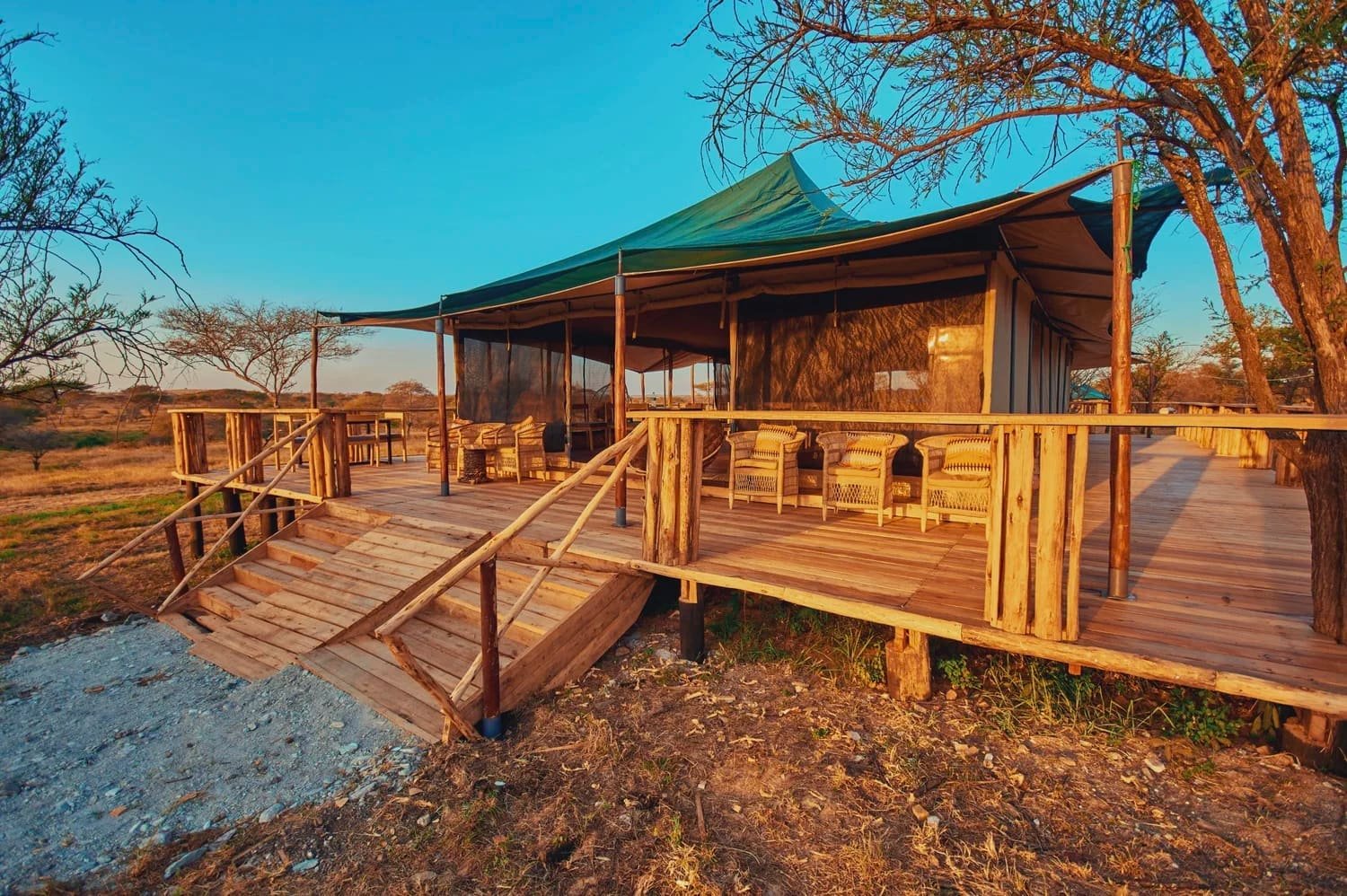
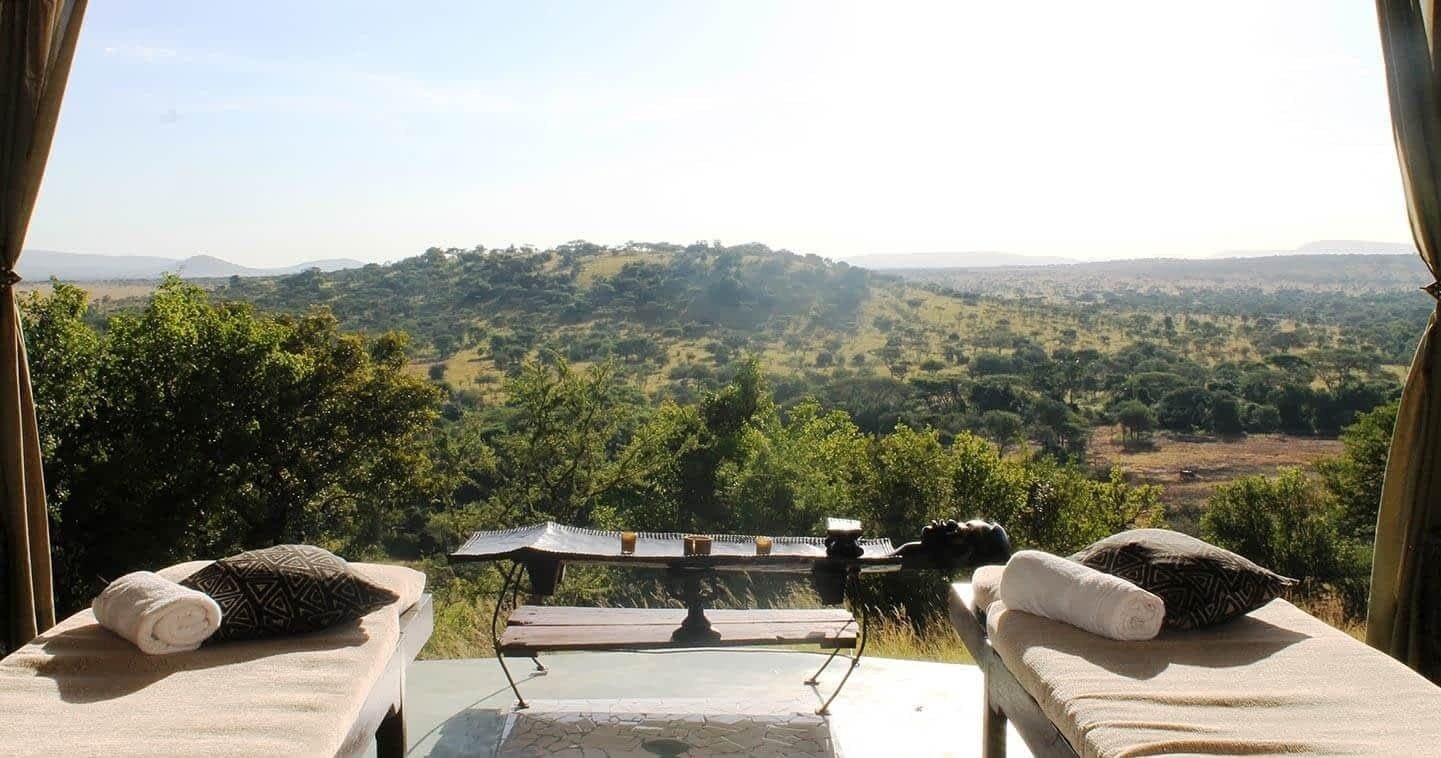
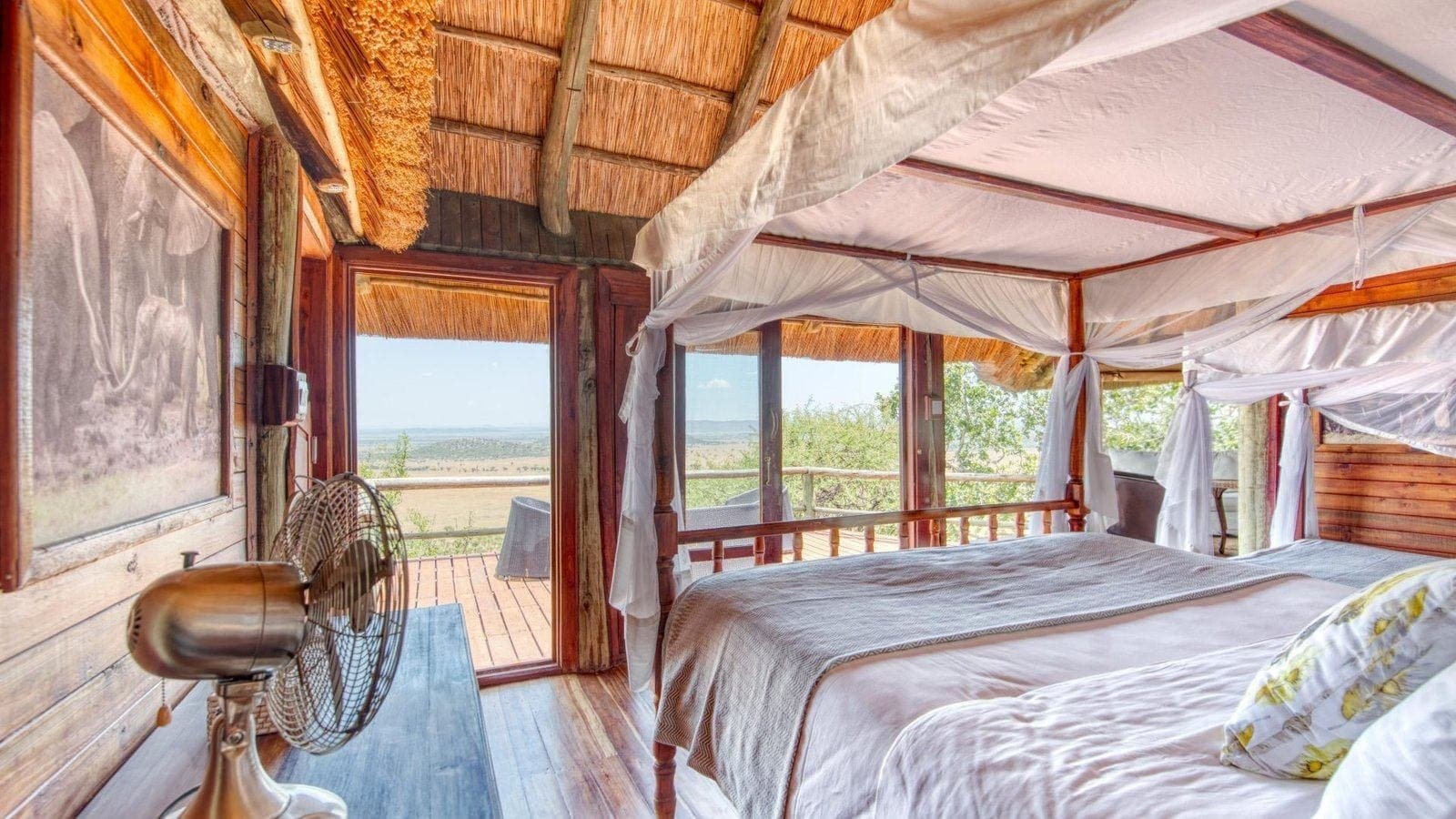
Where to stay in Serengeti National Park
Northern Serengeti
Central Serengeti
Eastern Serengeti
Western Serengeti
Southern Serengeti & Ndutu (calving season, Dec–Mar)
Ndutu lies inside the Ngorongoro Conservation Area, on the southern Serengeti plains.
Itineraries
Trips featuring Serengeti
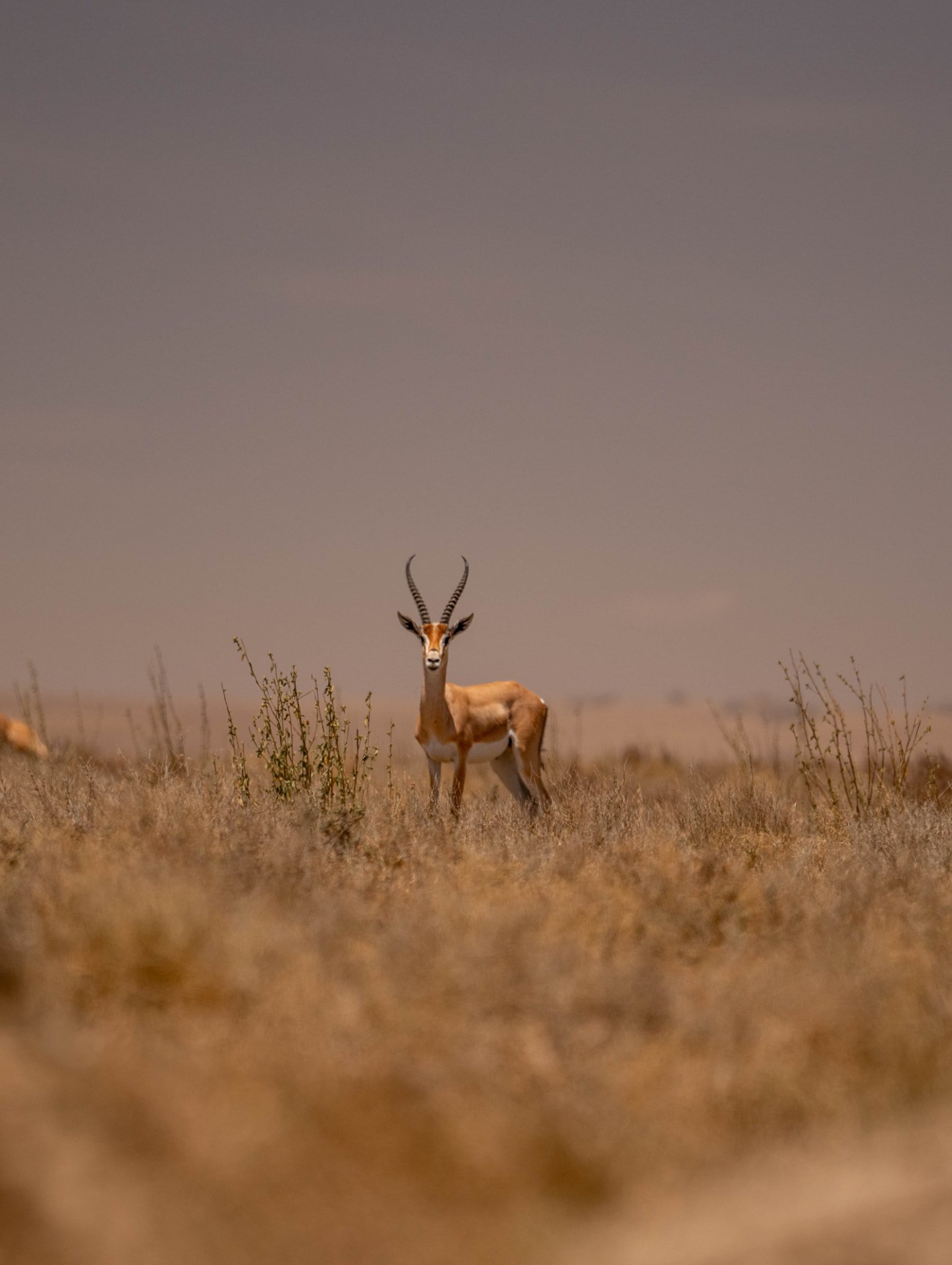
7 Days - 6 Nights
7 Days Tanzania Great Migration & Wildlife Safari
From $2,730 per person.
View Itinerary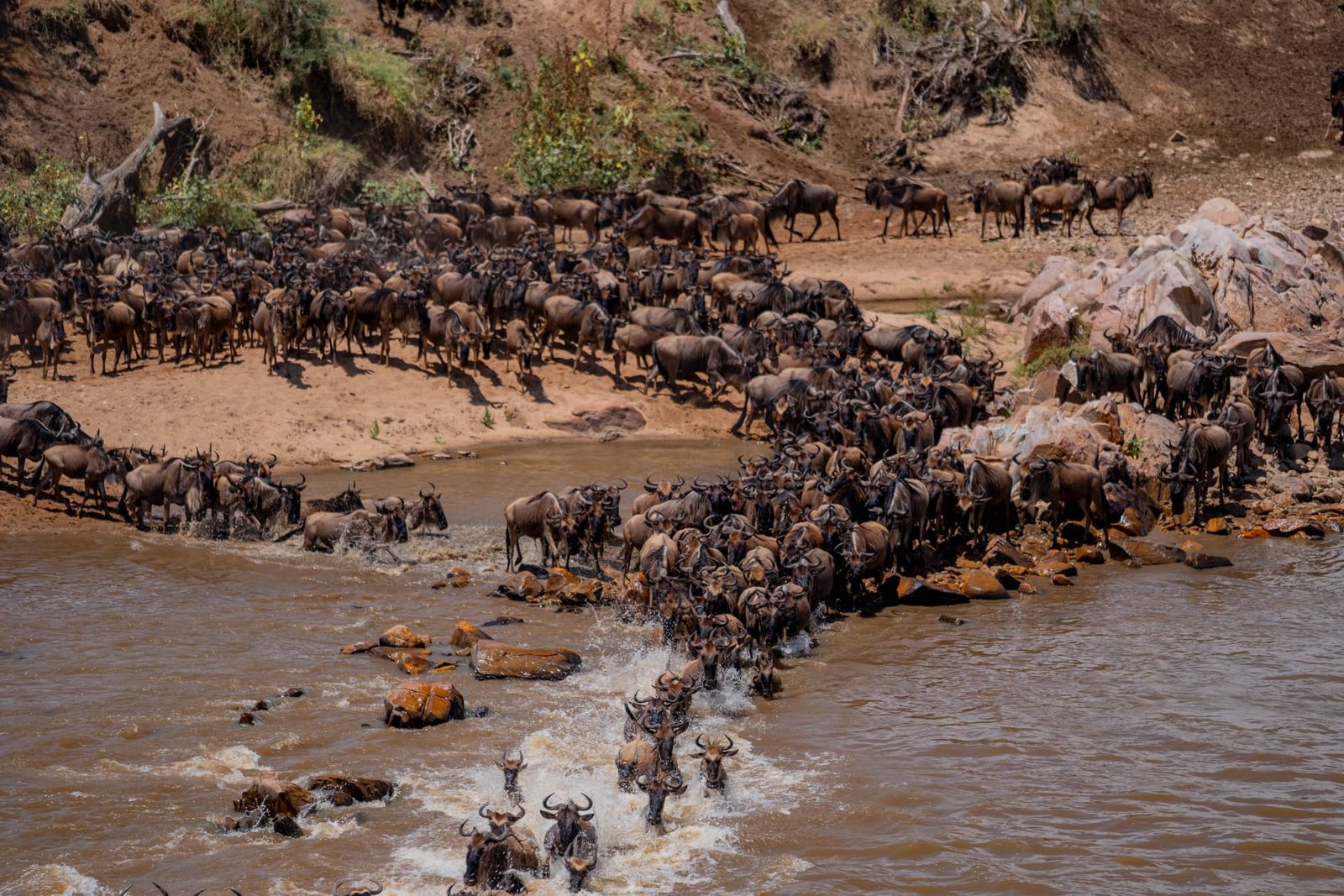
FAQ
Serengeti National Park FAQs
When is the best time to visit the Serengeti?
June to October offers the easiest game viewing and Mara River crossings in the north. January to March is calving season in the south, with thousands of newborn wildebeest and intense predator action. April and May are the quietest and cheapest months.
How many days do you need in the Serengeti?
Plan at least 3 nights. That allows two full days of game drives, ideally in two areas such as central Serengeti and the area where the migration is at the time. See how many days you need for a Tanzania safari overall.
Can you see the Big Five in the Serengeti?
Yes, though rhino are rare and found mainly around Moru Kopjes in the central Serengeti. Most guests see lion, leopard, elephant and buffalo; combining the Serengeti with the Ngorongoro Crater gives the best chance of black rhino.
How do you get to the Serengeti?
Most guests drive from Arusha via Tarangire and Ngorongoro, a scenic route best split over several days, or fly from Arusha to a Serengeti airstrip in 1 to 1.5 hours.
What does a Serengeti safari cost?
Our private safaris that include the Serengeti start from $1,800 per person for 6 days. Prices depend on season, group size and lodge level. See what a Tanzania safari costs for full prices.
Explore more
Other Tanzania destinations
Speak to an expert
Plan your Luxury Tanzania safari
Call our Arusha-based team or send an enquiry for thoughtful, first-hand guidance.
Call us at +255 768 316 830
Or email info@williamsonadventures.com