

The Beach & Lagoon
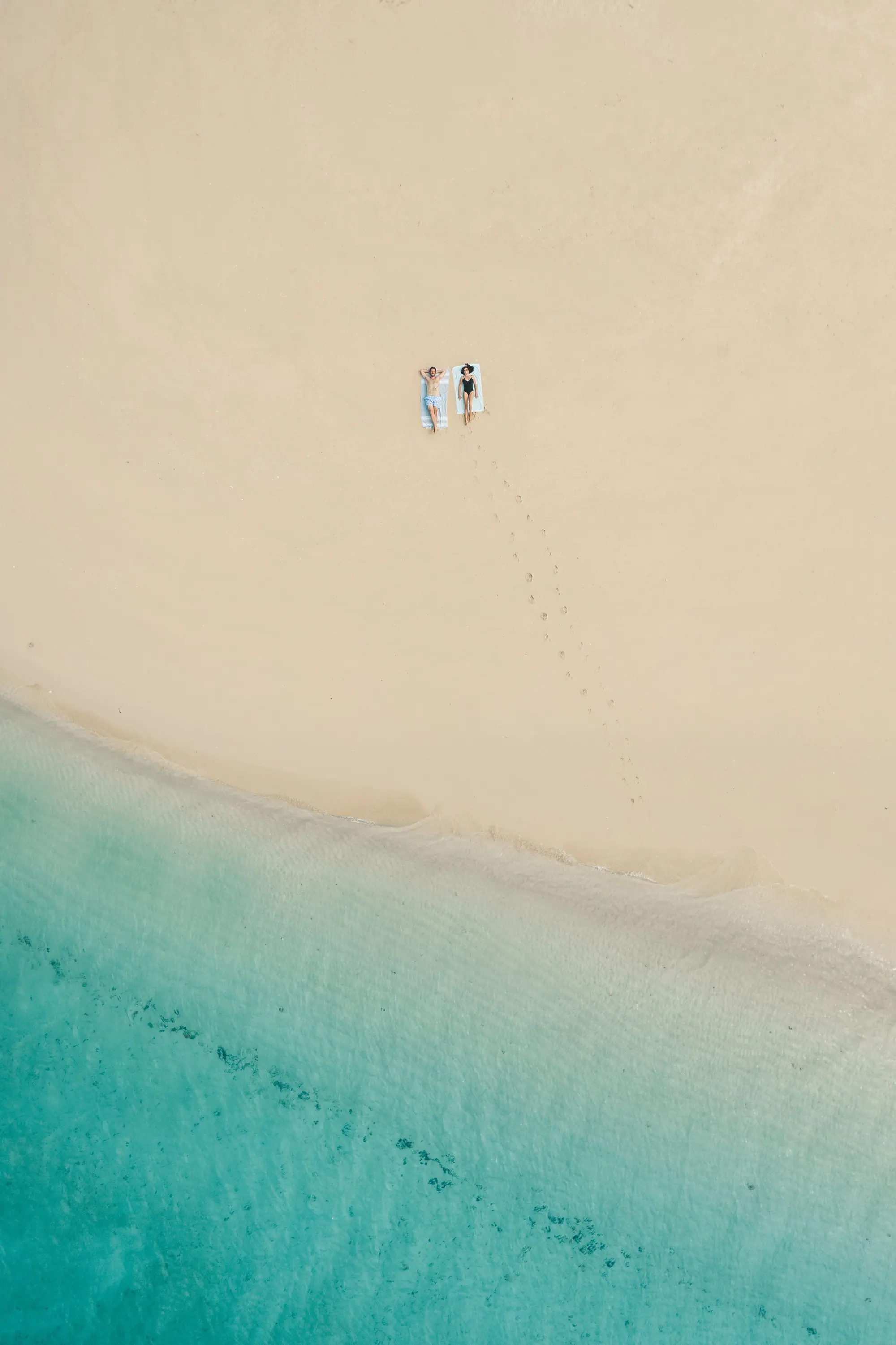
A long, shallow, reef-protected lagoon of powder sand — ideal for barefoot walks, sunrise runs, and safe swimming at high tide.
Zanzibar Archipelago
A peaceful fishing village offering authentic Swahili culture, seaweed farms, boutique lodges, fresh seafood, and tranquil beaches.
In pictures
Overview
Jambiani retains the rhythm of a working Swahili village. Fishermen head out at dawn, women tend seaweed farms at low tide, and boutique guesthouses sit quietly between the palms. It is the ideal east-coast base for travellers who want authenticity over resort polish.
Highlights
Best time to visit
Jun – Oct for clear skies; tides shape daily swimming windows
Tidal variation is significant — check tide charts for swimming and boat trips.
How to get there
About 55 km / 1 hr 15 min drive south-east from ZNZ airport.
Shared or private transfers from Stone Town are readily available.
Sits directly south of Paje along the same east-coast road.
Jambiani is a peaceful fishing village on Zanzibar's southeast coast, celebrated for its long stretches of white-sand beach, crystal-clear lagoon, and authentic Swahili culture. Traditional dhow boats, seaweed farms, and friendly local communities create a tranquil atmosphere that is perfect for travellers seeking relaxation and cultural immersion.
Jambiani offers a slower pace of life than Zanzibar's busier beach destinations. Visitors enjoy quiet beaches, boutique resorts, fresh seafood, cultural experiences, snorkelling, cycling through villages, and warm hospitality in a naturally beautiful setting.
Why visit
Jambiani is the antidote to Zanzibar's busier resort beaches — a working Swahili village where the pace is set by the tide, the fishermen, and the seaweed harvest. Ideal for travellers who want authenticity, boutique-scale accommodation, and space to breathe.
Chapter one
Located about 55 km from Stone Town and roughly 1 hour 15 minutes from Abeid Amani Karume International Airport, Jambiani has long been a fishing and farming community on the island's southeast coast, easily combined with Stone Town, Paje, or a mainland Tanzania safari.
Not to miss
A long, shallow, reef-protected lagoon of powder sand — ideal for barefoot walks, sunrise runs, and safe swimming at high tide.
Meet the women of Jambiani who farm seaweed at low tide, one of the island's most important livelihoods and a proud cultural tradition.
Traditional dhow trips to the reef line for snorkelling over coral gardens and tropical fish.
A short drive inland to a natural freshwater swimming cave used for centuries as a sacred site.
Guided walks and bike rides through village lanes, coconut groves, and coastal paths.
Hands-on classes with local hosts — coconut curries, chapati, fresh seafood.
Living heritage
Life in Jambiani is deeply Swahili. Expect calls to prayer at dawn, dhows returning with the morning catch, and communities that welcome respectful visitors into the daily rhythm of the village.
Shopping
Must-try dishes
Where to stay
When to go
June – October
Cool, dry and breezy — the classic season for beach holidays and cultural tours.
December – February
Warm, sunny and calm seas — perfect for snorkelling and dhow trips.
March – May
Long rains: greener landscapes and lower prices, but expect afternoon showers.
November
Short rains — a quiet, good-value shoulder window.
Plan your visit
Safari + beach
Jambiani pairs beautifully with a mainland safari or a second Zanzibar beach.
Why Williamson
Williamson Adventures creates tailor-made Zanzibar holidays with carefully selected accommodation, private transfers, guided cultural experiences, marine excursions, and seamless safari-and-beach itineraries designed around your travel preferences.
Good to know
Keep exploring

A UNESCO World Heritage Site, Stone Town is the cultural and historical heart of Zanzibar, blending African, Arab, Persian, Indian, and European influences.
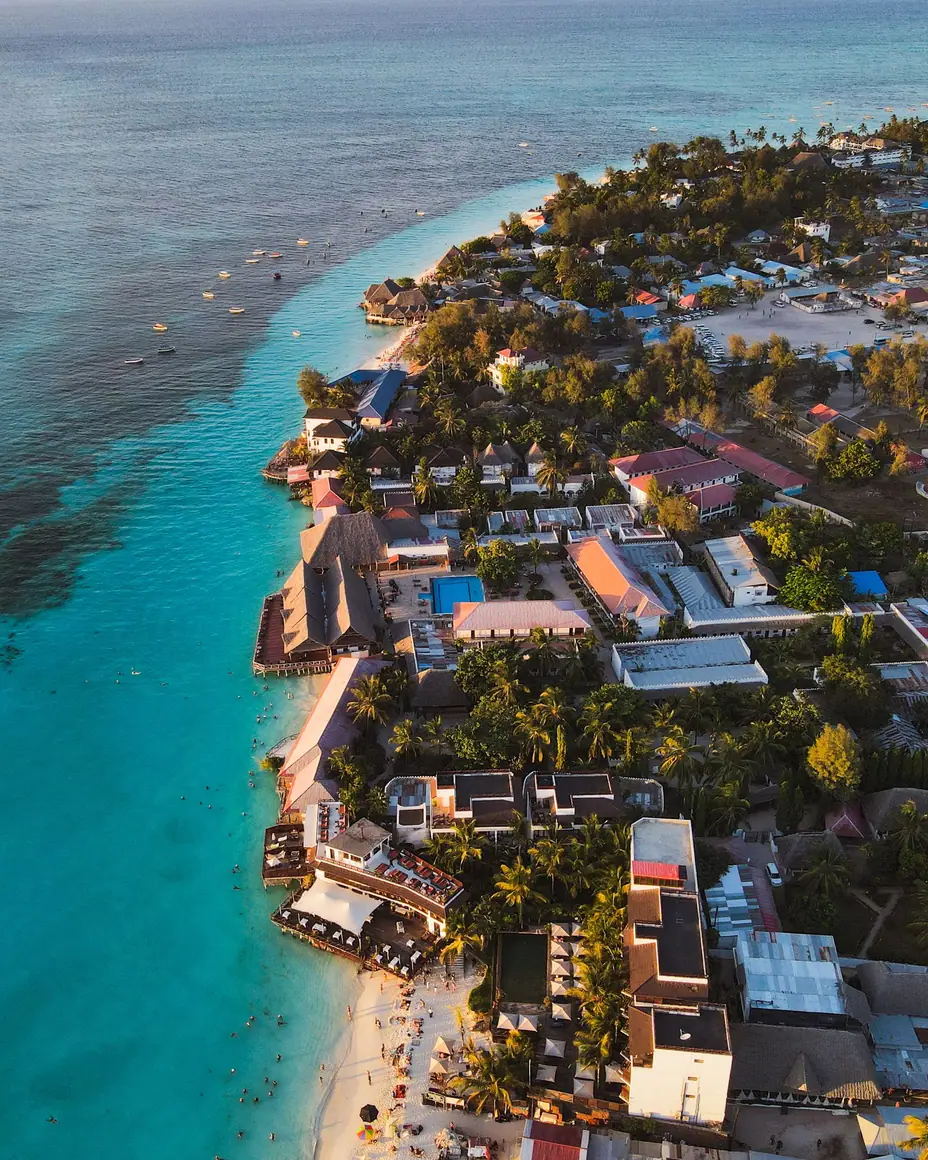
Zanzibar's premier beach destination, known for white-sand beaches, turquoise waters, luxury resorts, and year-round swimming.
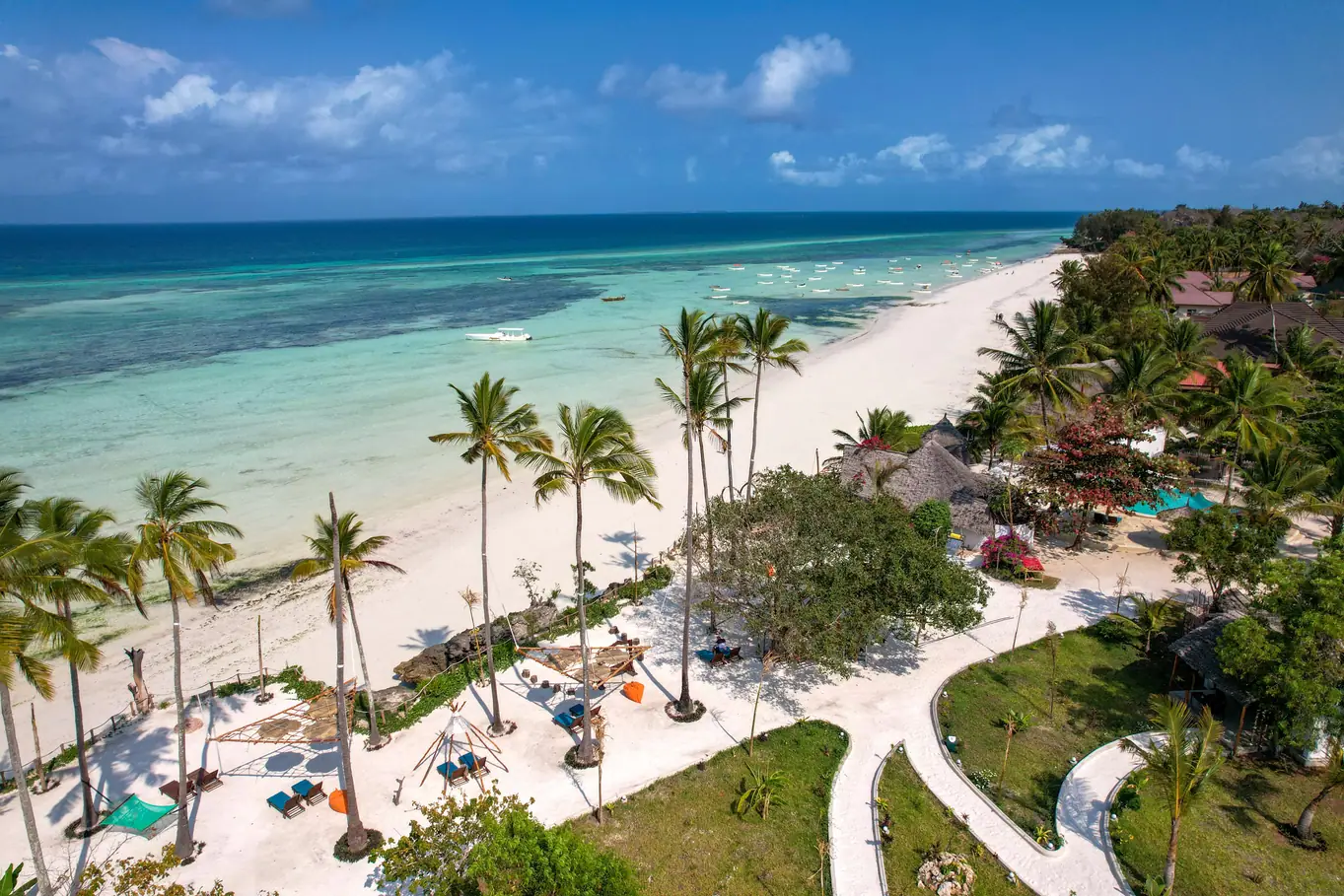
Kendwa Beach is celebrated for calm waters, spectacular sunsets, soft sand, and a relaxed yet lively coastal atmosphere.