
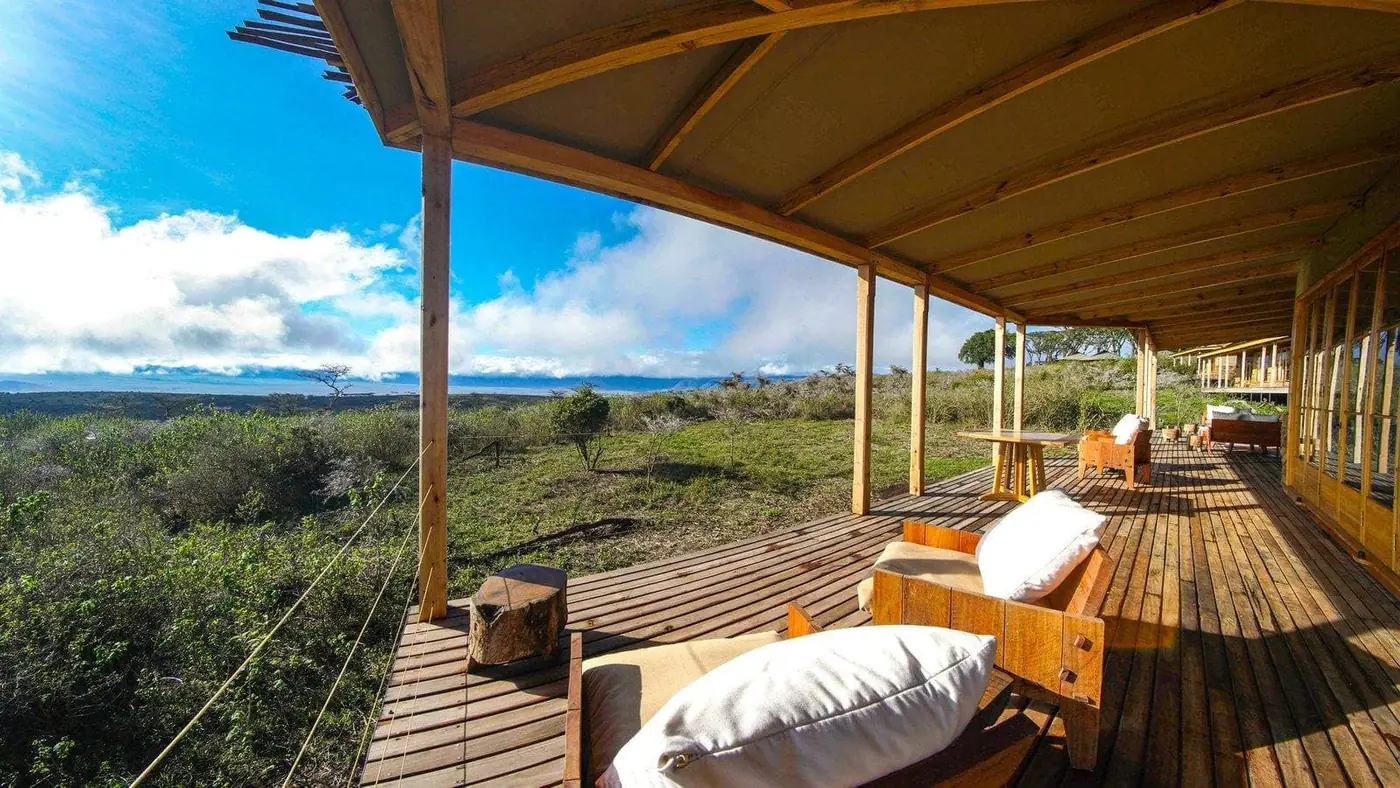
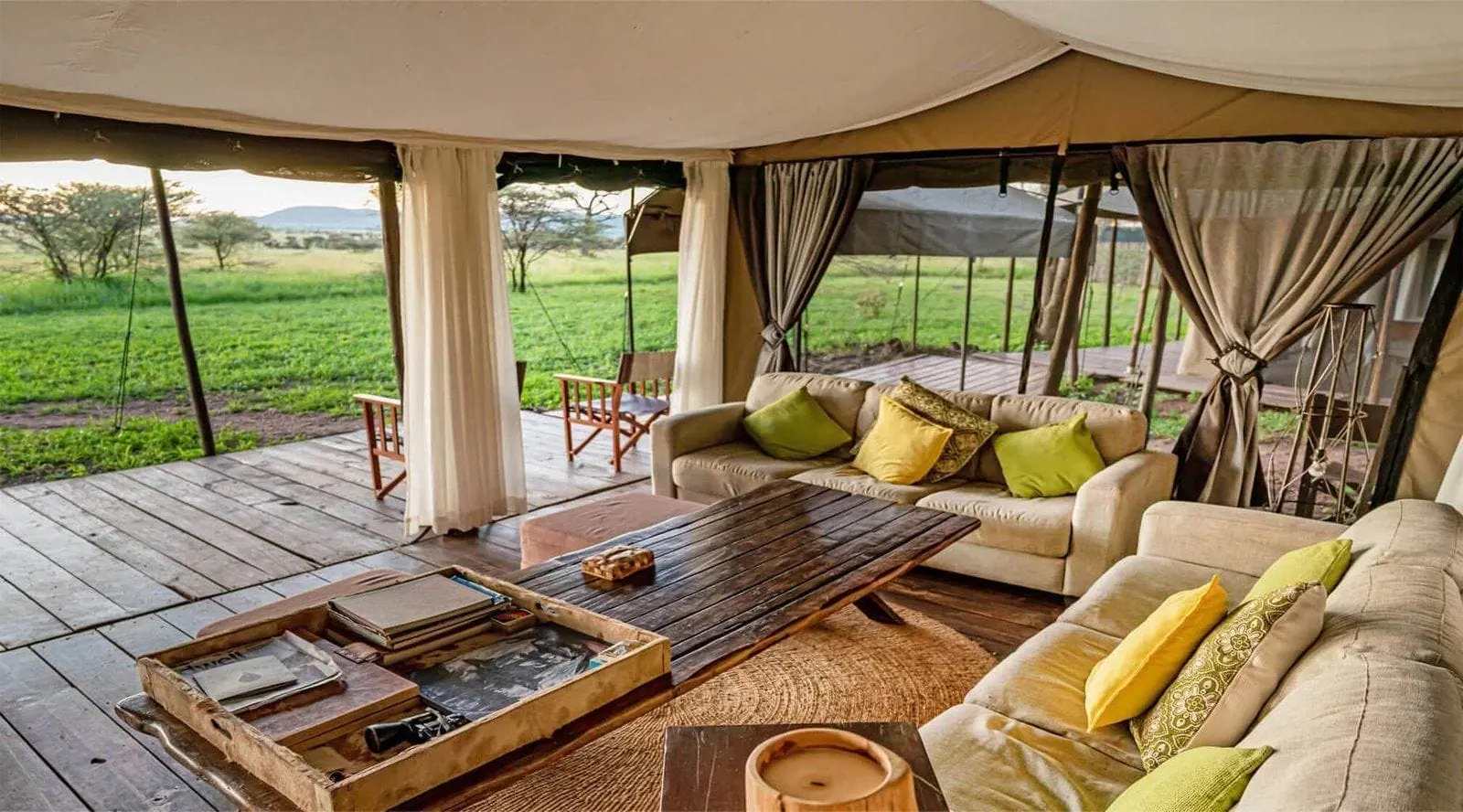

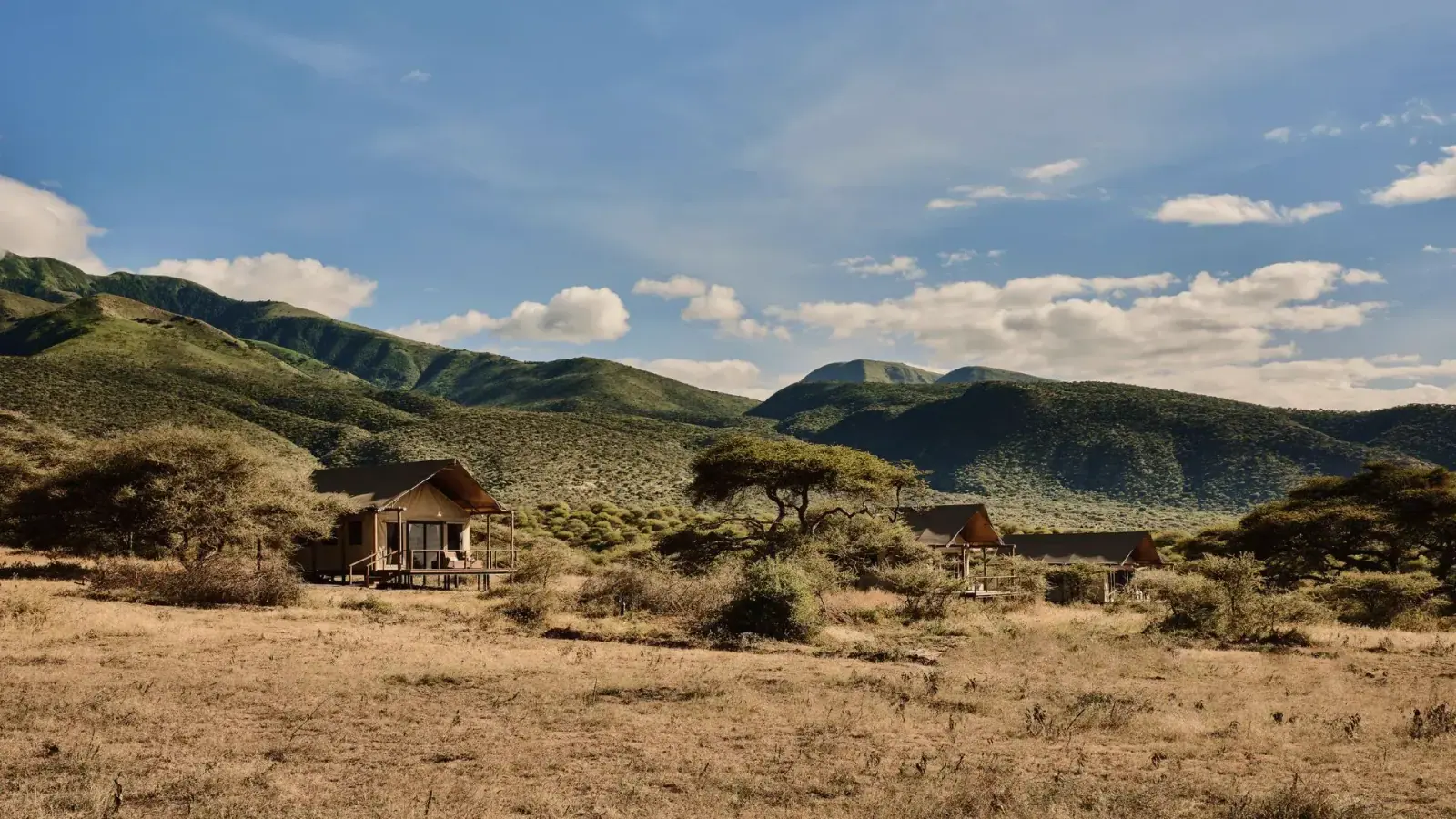
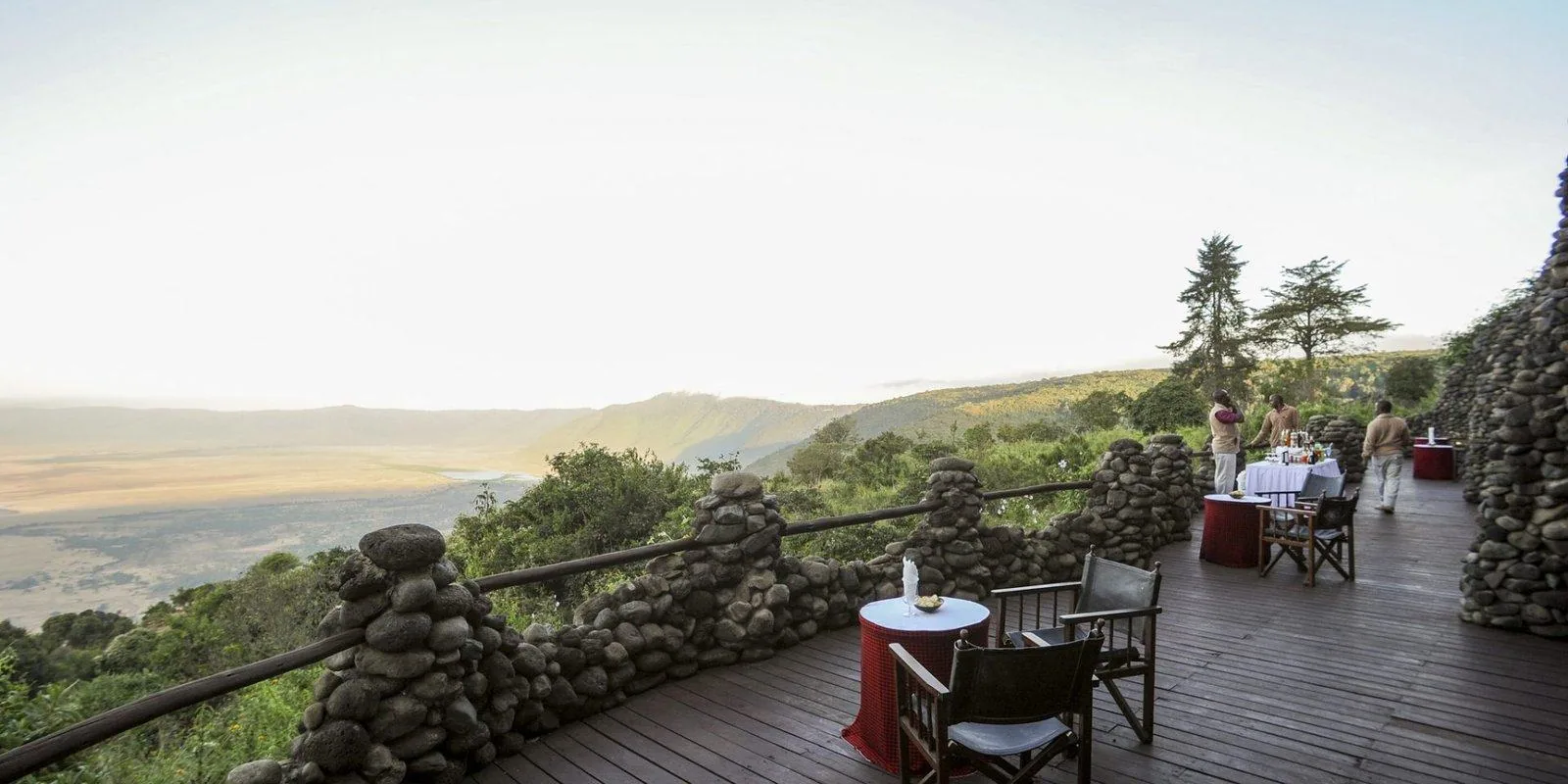
5 Days / 4 Nights
5 Days Safari Tarangire, Serengeti, Ngorongoro & Lake Manyara
From $1,930 per person.
View Itinerary
Overview
Last updated: November 2, 2026 · By William Sanga, CEO
The Ngorongoro Conservation Area in northern Tanzania is home to the Ngorongoro Crater, a 260 km² volcanic caldera with walls about 600 m high and around 25,000 large animals on its floor. It is one of the best places in Tanzania to see the endangered black rhino, and game viewing is excellent all year. Most visitors spend one full day in the crater, staying on the rim or in the Karatu highlands.
The Ngorongoro Conservation Area lies in northern Tanzania and is home to the vast, volcanic Ngorongoro Crater and the Big Five — elephant, lion, leopard, buffalo and rhino. A pioneering multiple land-use area, it is one of the few places in Africa where wildlife and Maasai pastoralists share the land.
At its heart lies the 260 km² Ngorongoro Crater, the world's largest unbroken volcanic caldera, formed when a giant volcano collapsed on itself some 2.5 million years ago. Its 600-metre walls enclose grasslands, soda lakes, acacia forest and swamp, sheltering roughly 25,000 large animals including one of the last strongholds of the endangered black rhino in Tanzania.
Beyond the crater rim, the wider conservation area — part of a 12,000 km² Global Geopark — protects Olduvai Gorge, the 'Cradle of Mankind' where the Leakey family uncovered hominid fossils dating back 1.9 million years, along with the Shifting Sands, Laetoli footprints and the emerald crater lakes of Empakaai and Olmoti.
With more than 12 unique attractions and 15+ activities on offer — from crater game drives and walking safaris to cultural encounters with the Maasai and Hadzabe — Ngorongoro is your best option for an unforgettable future holiday.
3 hours by road from Arusha via Karatu; or fly to Manyara / Lake Ndutu airstrip and transfer 1–2 hrs by 4×4 to the crater rim.
Wildlife
Activities
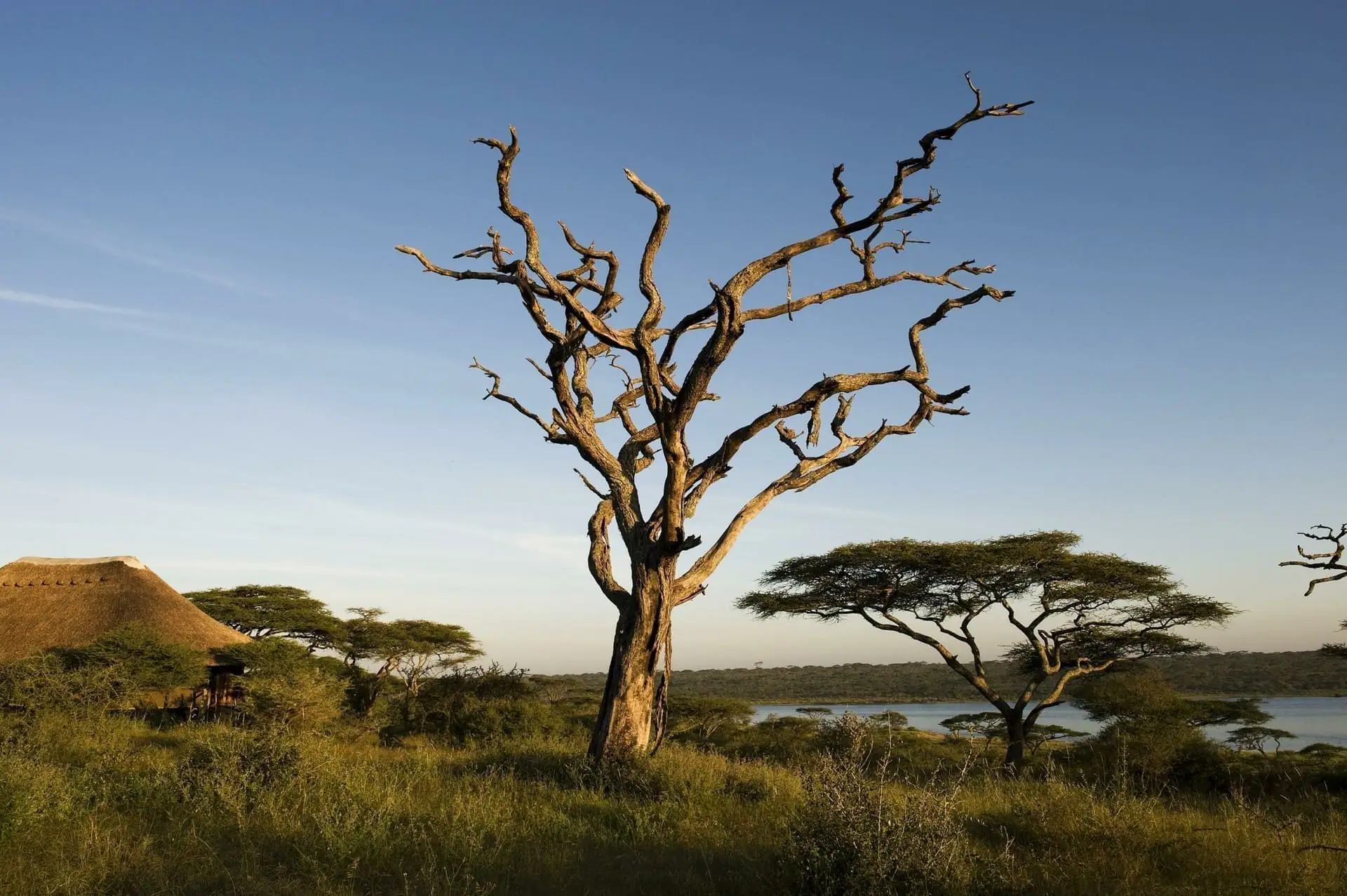
Ndutu lies inside the Ngorongoro Conservation Area, on the southern Serengeti plains.
Itineraries
5 Days / 4 Nights
From $1,930 per person.
View Itinerary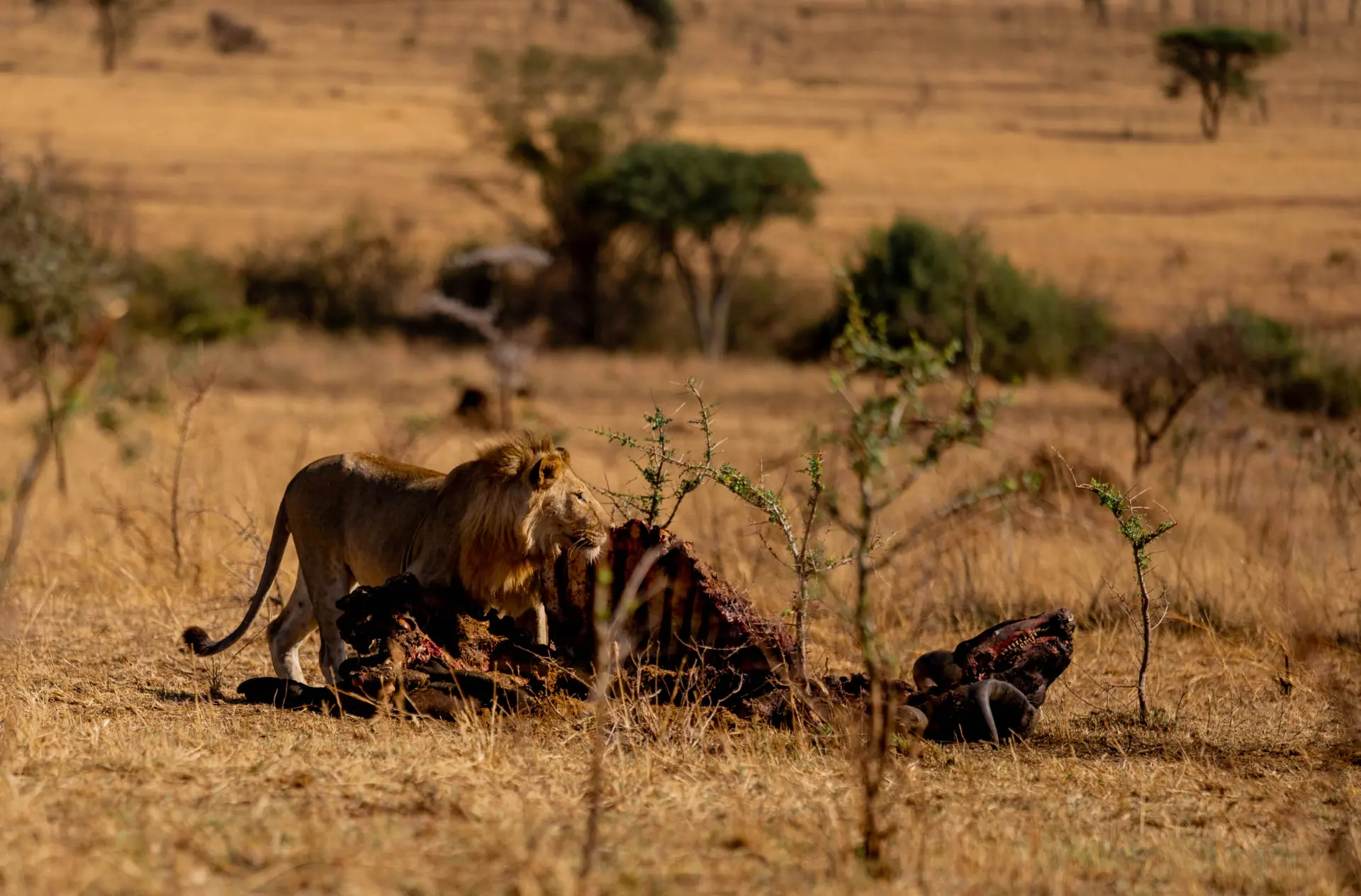
FAQ
One full day of game driving on the crater floor is enough for most travellers. Stay one or two nights on the crater rim or in Karatu so you can descend early, when the light is best and the vehicles are fewest.
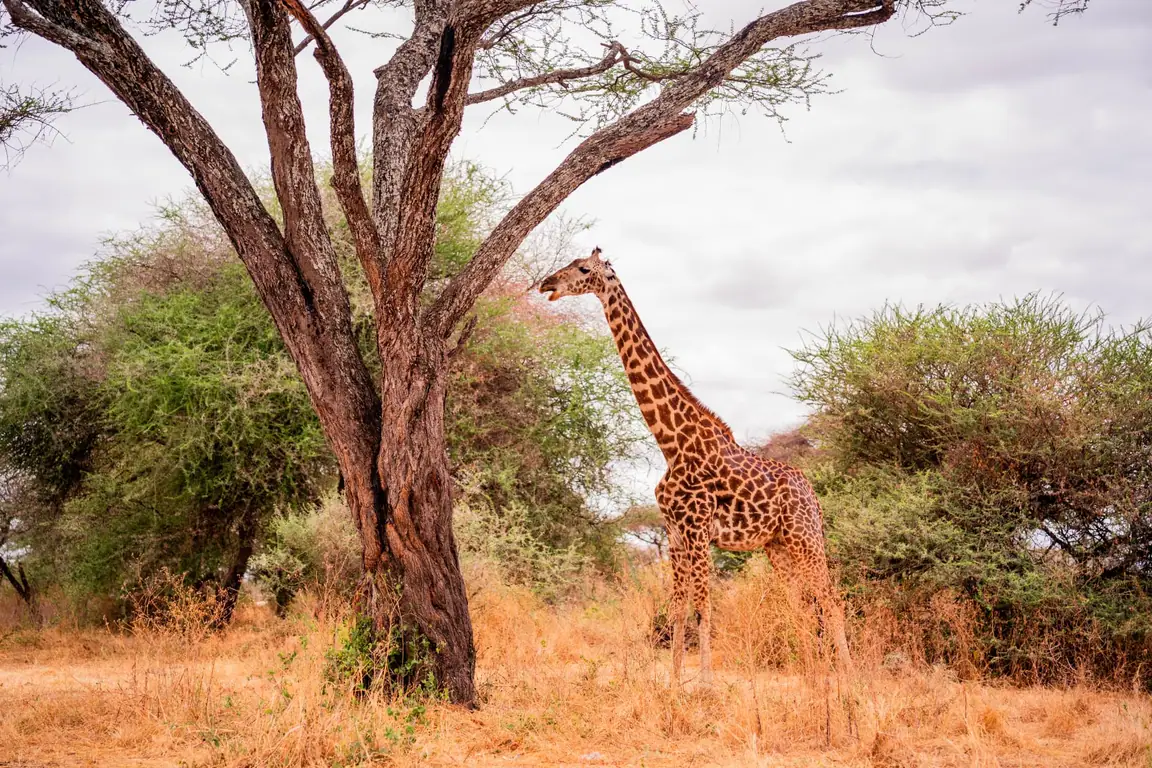
Lion, elephant, buffalo and black rhino are all seen regularly. Leopard is the hardest, as it prefers the forested crater rim. There are no giraffes on the crater floor because the walls are too steep.
The conservation fee is $70.80 per adult per 24 hours, and each vehicle pays a $295 crater service fee to descend. All of these fees are included in our safari prices.
Yes. Its density of wildlife and the setting inside an ancient caldera make it one of the highlights of any northern Tanzania safari, and it is one of the most reliable places in the country to see black rhino.
Lodges on the crater rim give the quickest access and the views. Lodges in the Karatu highlands, about 30 minutes from the gate, are quieter and often better value.
Explore more

Speak to an expert
Call our Arusha-based team or send an enquiry for thoughtful, first-hand guidance.
Call us at +255 768 316 830
Or email info@williamsonadventures.com