



5 Days - 4 Nights
5 Days Classic Kenya Safari: Maasai Mara, Lake Nakuru & Lake Naivasha
From $1,877 per person.
View JourneyWilliamson Adventures • Tanzania Safari Guide
Tanzania holds some of the greatest wildlife country left in Africa, and it works for almost everyone — first-timers, families with children, photographers and honeymooners alike. No special preparation is needed: you travel in a private 4×4 with your own guide and sleep in comfortable camps and lodges.
Where you will meet thousands of wild animals living in their own habitat, on their own schedule.
Read the full guide: best safari parks in Tanzania Read the full guide: how many days you need for a Tanzania safari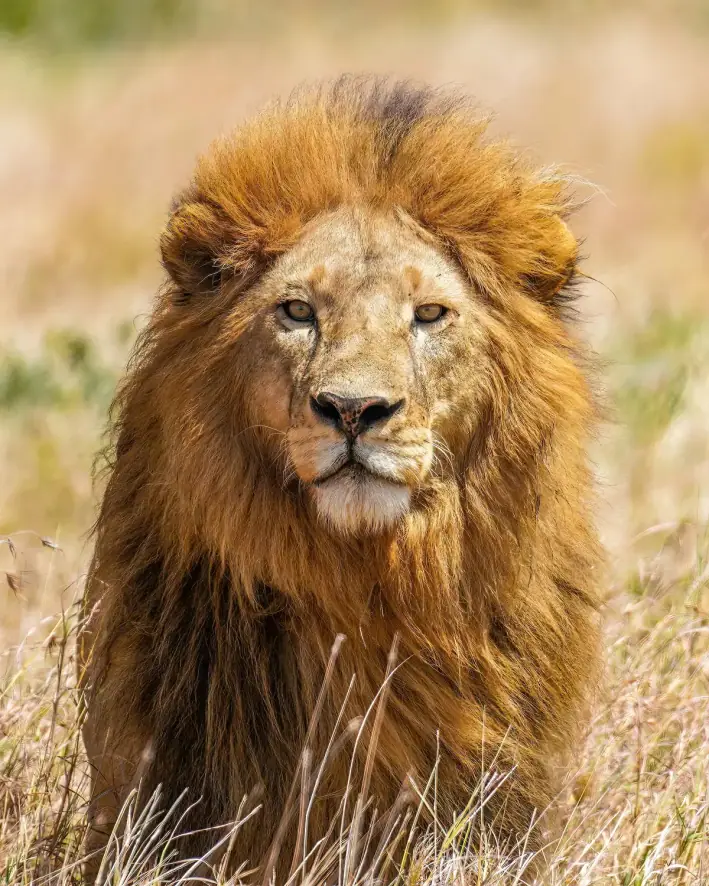
5 Days - 4 Nights
From $1,877 per person.
View Journey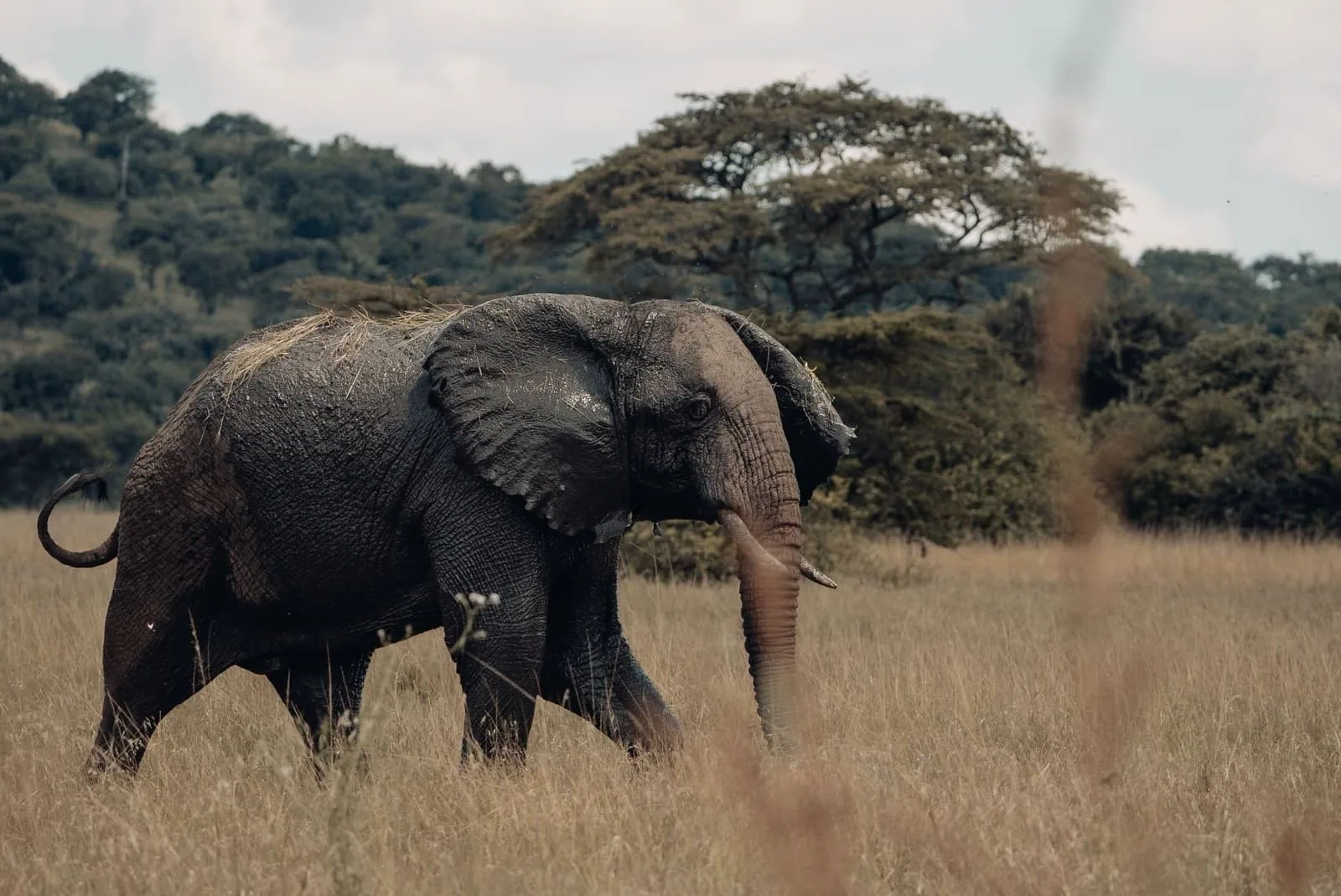
6 Days - 5 Nights
From $2,940 per person.
View Journey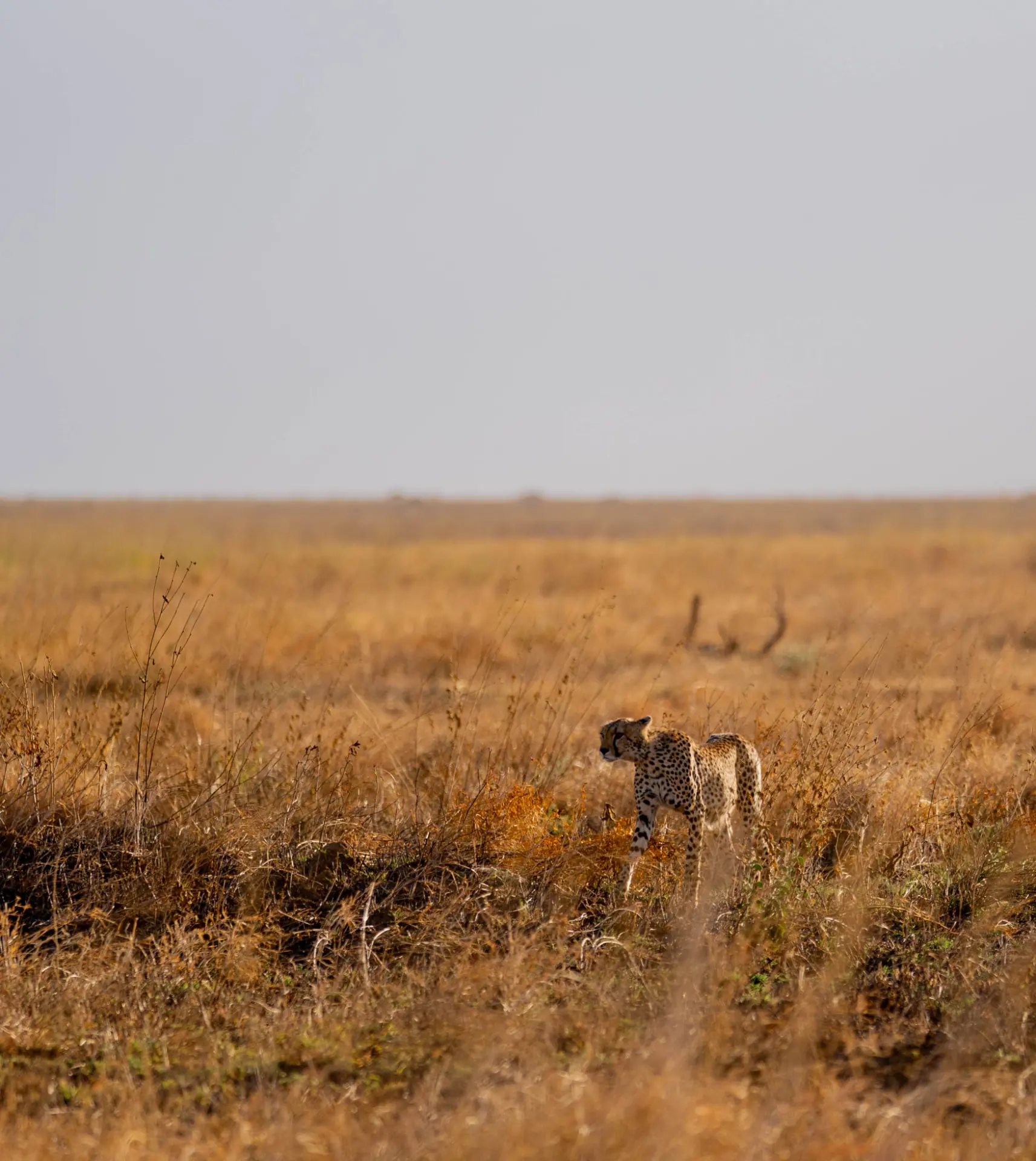
7 Days - 6 Nights
From $2,831 per person.
View Journey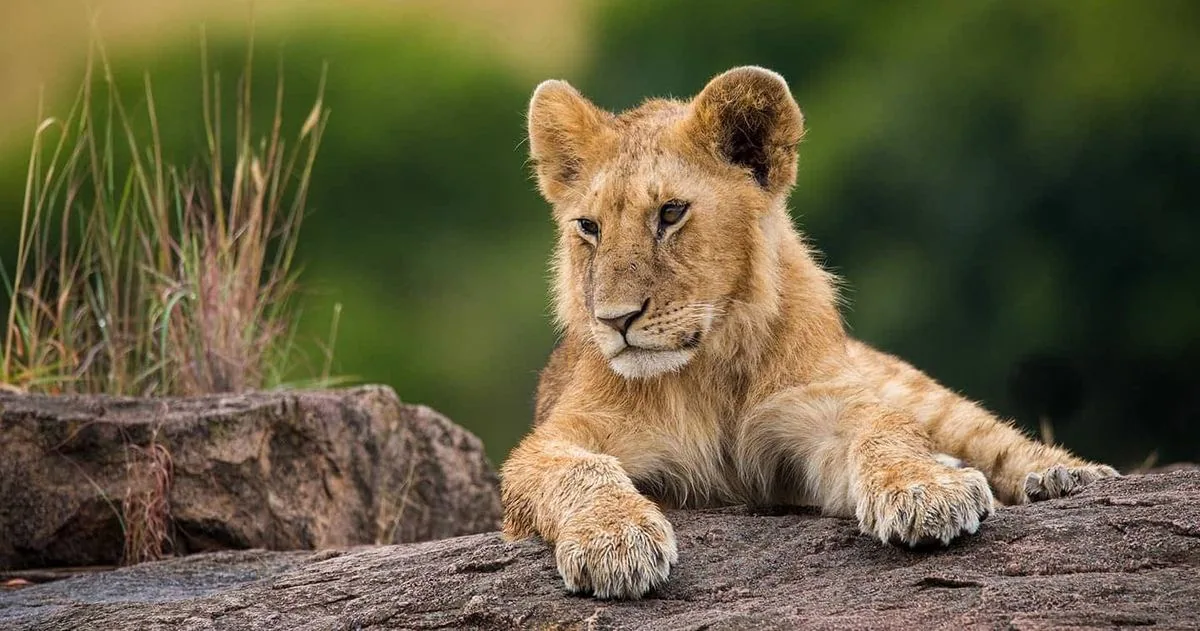
8 Days - 7 Nights
From $2,770 per person.
View Journey
8 Days - 7 Nights
From $2,562 per person.
View Journey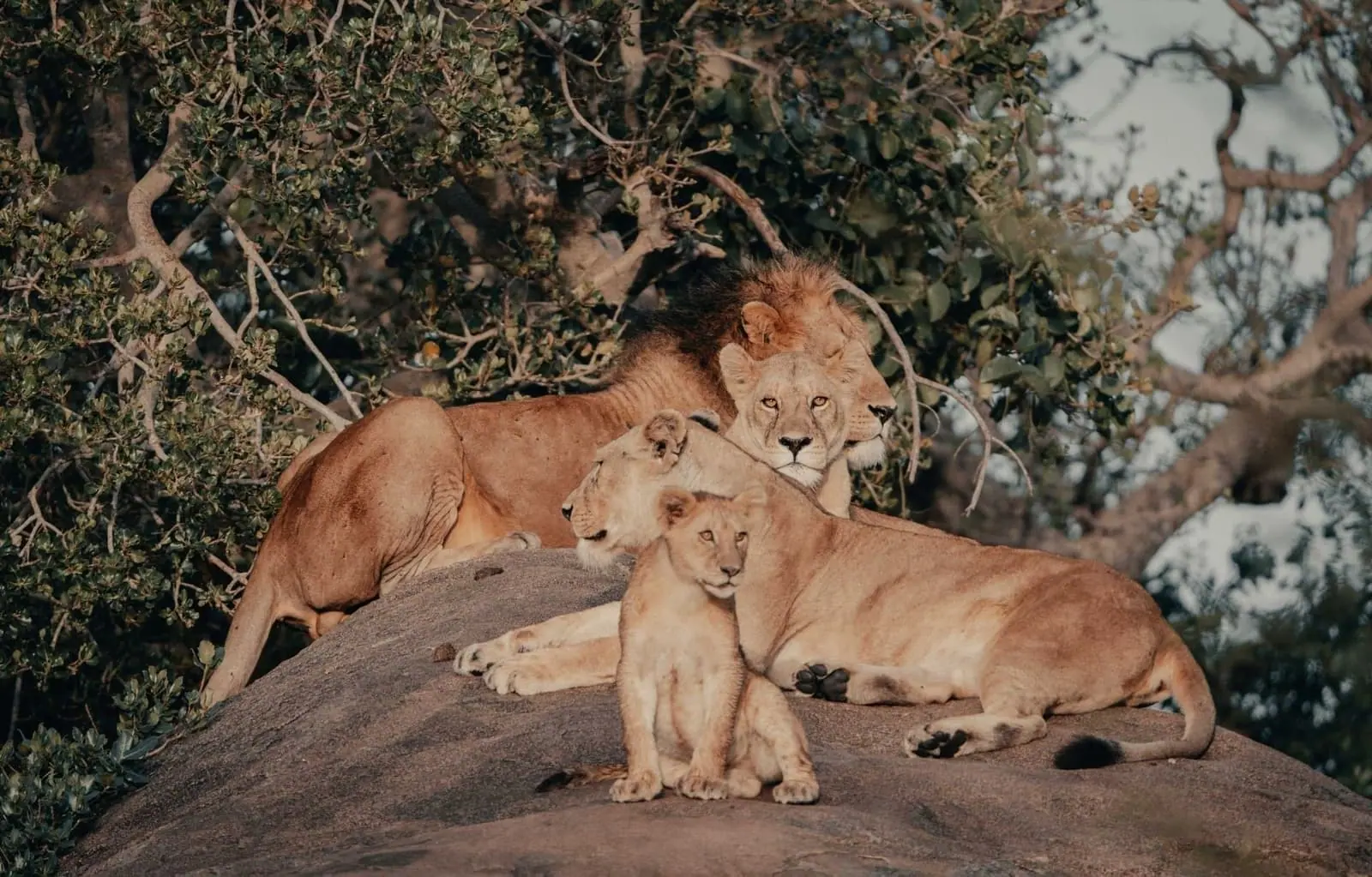
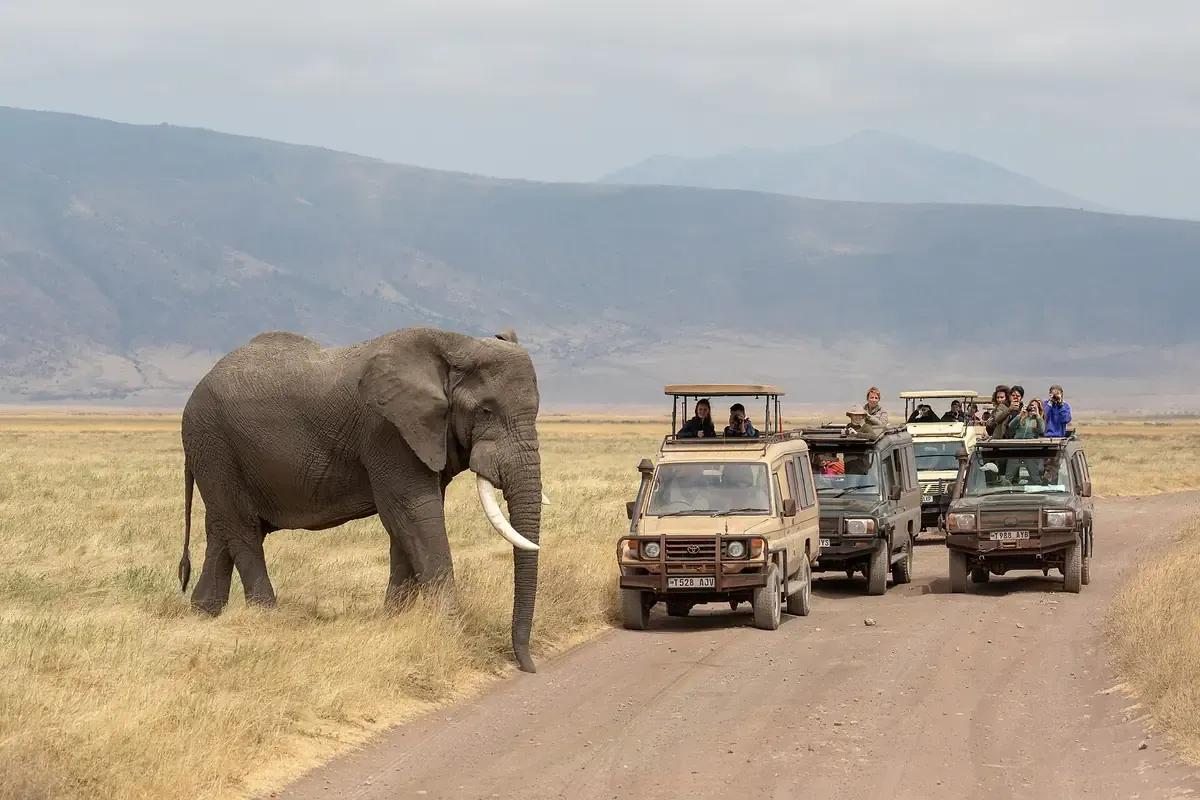
We run safaris in Tanzania's national parks and conservation areas, where animals are wild and unfenced. Lions, elephants, giraffe, leopard and countless antelope often pass within a few metres of the vehicle, entirely on their own terms.
Each evening your guide brings you back to a lodge or tented camp for dinner and a proper night's sleep. Mornings start early because that is when the savannah is coolest and busiest — and because the light at dawn is unlike anything else.
Game drives are only part of it. You can add a hot-air balloon flight over the Serengeti, a guided walking safari, a night drive, or a visit to a Maasai or Hadzabe community — arranged properly, with fair payment to the people hosting you.
Trips are private by default: just your party, your guide and your vehicle, in a serviced Land Cruiser with a pop-up roof, charging points and cold water. Small group departures are available on request if you would rather share the cost.
Williamson Adventures is Arusha-based and Tanzanian-owned. Every itinerary we sell is one our own guides drive, and every lodge on it is one we have inspected in person.
About our teamGuests rate us across TripAdvisor, SafariBookings and SafariGo. The recurring themes are the guiding, the vehicles and how easy the planning felt from first email to airport pickup.
Read reviewsWe employ locally, pay park and conservation fees in full, and support community and anti-poaching work in the areas we travel through. Sustainability is built into the price, not sold as an add-on.
Our approachThe parks are open all year and there is good wildlife in every month — what changes is the weather, the price and how many other vehicles you share a sighting with. July is dry and busy; November is greener, quieter and considerably cheaper. Pick the month first, then the route.
Read the full guide: the best month for a Tanzania safariClassic safari weather
Most safari travelers arrive through Kilimanjaro International Airport, then transfer to Arusha, the main gateway for the Northern Circuit. Safari from Zanzibar is also common by domestic flight to Arusha, Kilimanjaro, or Serengeti airstrips.
Best airport for Arusha and the Northern Circuit. Many itineraries begin with an overnight near Arusha.
Fly from Zanzibar to Arusha, Kilimanjaro, or Serengeti airstrips for a safari-beach combination.
Useful for southern parks, international connections, or itineraries that combine city, coast, and safari.
Select your country to see visa type, cost, processing time, and how to apply.
Fees and requirements follow the Tanzania Immigration Services Department. Always confirm on the official eVisa portal before travel — rules can change at short notice.
Camps and lodges make or break a safari. We only book properties our own team has slept in, and we re-check them each season.
Read the full guide: best places to stay in TanzaniaA plain-English list of what to wear, what to leave at home, how much luggage light aircraft allow, camera and binocular advice, park etiquette, tipping guidance and insurance notes. Written by our guides, not copied from a brochure.
Read the full guide: Tanzania safari packing list Free downloadWe contribute to ranger and de-snaring patrols in the Serengeti ecosystem.
Guides, chefs and office staff are Tanzanian, hired and trained locally in Arusha.
We fund indigenous replanting on the mountain's southern slopes each season.
Refillable water on every trip instead of single-use bottles in the parks.
A share of every booking goes to partner schools and a rural clinic near Arusha.
Small groups, low-impact camps and strict park rules keep wildlife corridors undisturbed.
From our guests
"William was incredibly responsive and quick to customize our trip — and our guide Tom tailored every day to our interests."
Recent guests
· Private safari
"Climbing Kilimanjaro via Marangu with this team was life-changing. Our guides were attentive, supportive and full of encouragement."
Summit climbers
· 6-day Marangu climb
"Our guide Ibra answered every question about wildlife. Fluent English, deep knowledge, excellent driving. We recommend this agency."
Family of five
· Family safari
Five to seven days is the sweet spot for the northern circuit — enough for Tarangire, the Serengeti and the Ngorongoro Crater without rushing. If you only have a couple of days, a short trip to Tarangire or Lake Manyara still delivers real wildlife. Two weeks or more lets you add the southern or western parks, or finish on Zanzibar.
June to October is the classic dry season: short grass, animals tied to water, and the Mara River crossings. January to March brings the calving season on the southern plains. April, May and November are the green months — fewer vehicles, lush scenery and the lowest lodge rates of the year.
Roughly two million wildebeest, zebra and gazelle move in a continuous clockwise loop through the Serengeti–Mara ecosystem, following rainfall and fresh grazing. It is not an event with fixed dates but a year-round cycle: calving in the south early in the year, western crossings mid-year, and the northern river crossings from around July.
Ndutu and the southern Serengeti from January to March, the Grumeti area around May and June, and the Kogatende and Mara River area from July to October. We position your camps around the month you travel rather than selling one fixed route.
Kilimanjaro International Airport (JRO) is the gateway for the northern parks and Kilimanjaro. Dar es Salaam (DAR) suits the southern circuit and Zanzibar connections. We include airport transfers on every trip.
Neutral tones — khaki, olive, stone, grey. Skip bright white, dark blue and black (they attract tsetse flies) and avoid camouflage, which is restricted to the military. Bring a warm layer for early morning drives, a wide-brimmed hat, sunglasses and high-factor sunscreen. Closed shoes for game drives, sandals for camp.
Yes. The parks are well managed, our vehicles are serviced and radio-linked, and our guides are licensed professionals. Standard precautions apply: stay in the vehicle unless your guide says otherwise, and follow camp rules after dark.
Only at designated picnic sites, viewpoints and gates. Walking elsewhere in a national park is prohibited for safety. If you want to walk, we can add a guided walking safari in the areas where it is permitted.
Recreational drone use is not permitted in Tanzanian national parks. Filming permits exist but take months to arrange and carry significant fees. Arriving with an unpermitted drone risks confiscation at customs.
Most lodges and camps offer Wi-Fi, and mobile coverage reaches much of the northern circuit. Expect gaps in remote parts of the Serengeti and Ruaha — we recommend treating those days as time offline.
No time to compare itineraries? Tell us your dates, group and budget and we will send two or three tailored options — no deposit, no pressure.
Send us your rough dates and who is travelling. You will hear back from a real person in Arusha, usually within a few hours, with honest advice on where to be that month and what it costs.
Chat on WhatsApp