
 7 Days / 6 Nights
7 Days Kenya Safari: Ol Pejeta, Samburu, Nakuru & Mara
Ol Pejeta Conservancy · Samburu National Reserve · Lake Nakuru National Park · Maasai Mara National Reserve
View itinerary
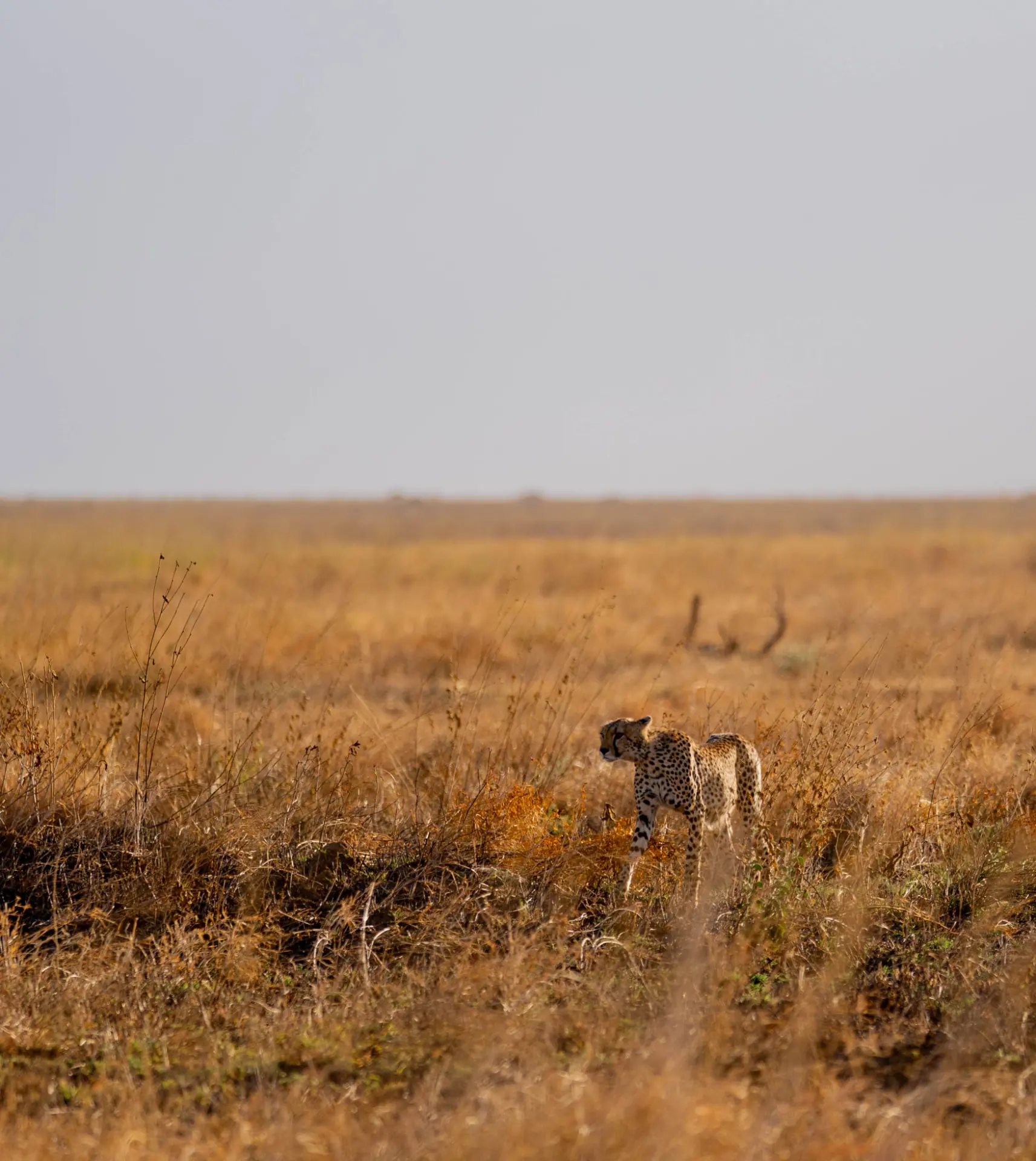
North of Mount Kenya the land opens into hot, scrubby wilderness cut by the Ewaso Ng'iro river, and the wildlife changes with it.
Samburu, Buffalo Springs and Shaba form one continuous ecosystem where Grevy's zebra, reticulated giraffe, Beisa oryx, Somali ostrich and gerenuk — the Samburu Special Five — live alongside lions, leopards and cheetahs. Riverine forest along the river concentrates game in the dry months, leopards are genuinely good here, and the reserves see a fraction of the vehicles you meet further south. Samburu pairs beautifully with the Laikipia conservancies just below it.
7 Days / 6 NightsOl Pejeta Conservancy · Samburu National Reserve · Lake Nakuru National Park · Maasai Mara National Reserve
View itineraryLooking for something different? Let us design it around you.
Explore expert-written articles on Tanzania’s parks, the Great Migration, Kilimanjaro and Zanzibar — practical advice and field knowledge from the Williamson Adventures team.
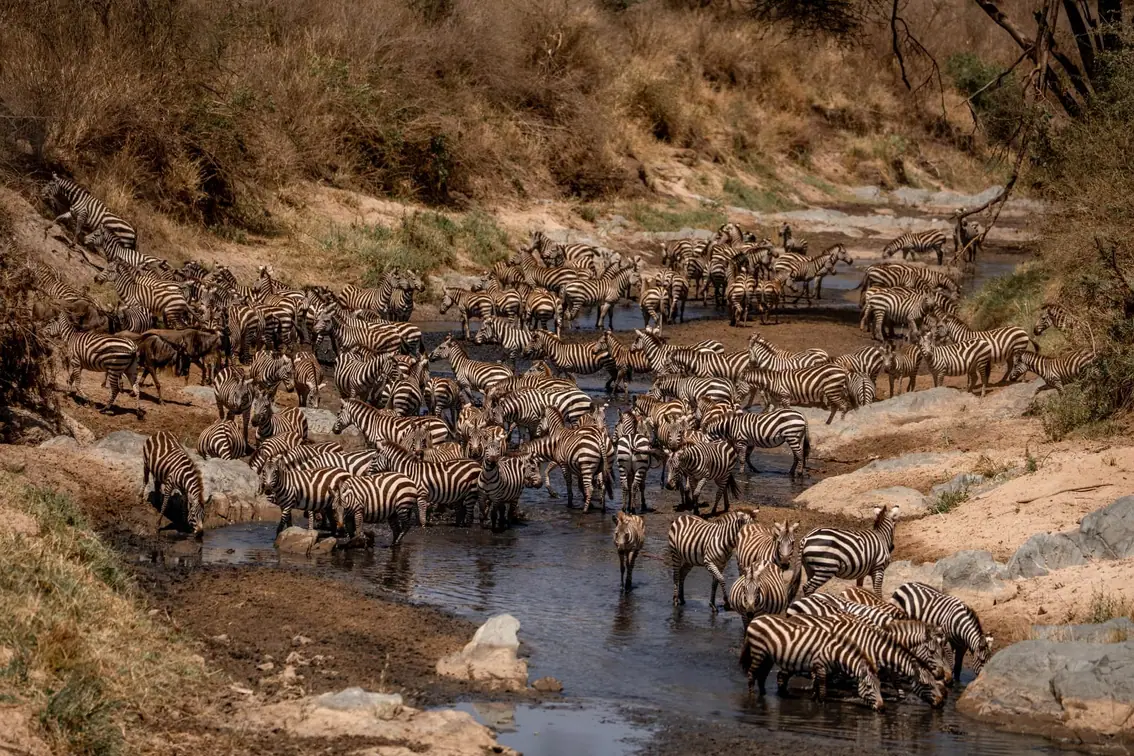
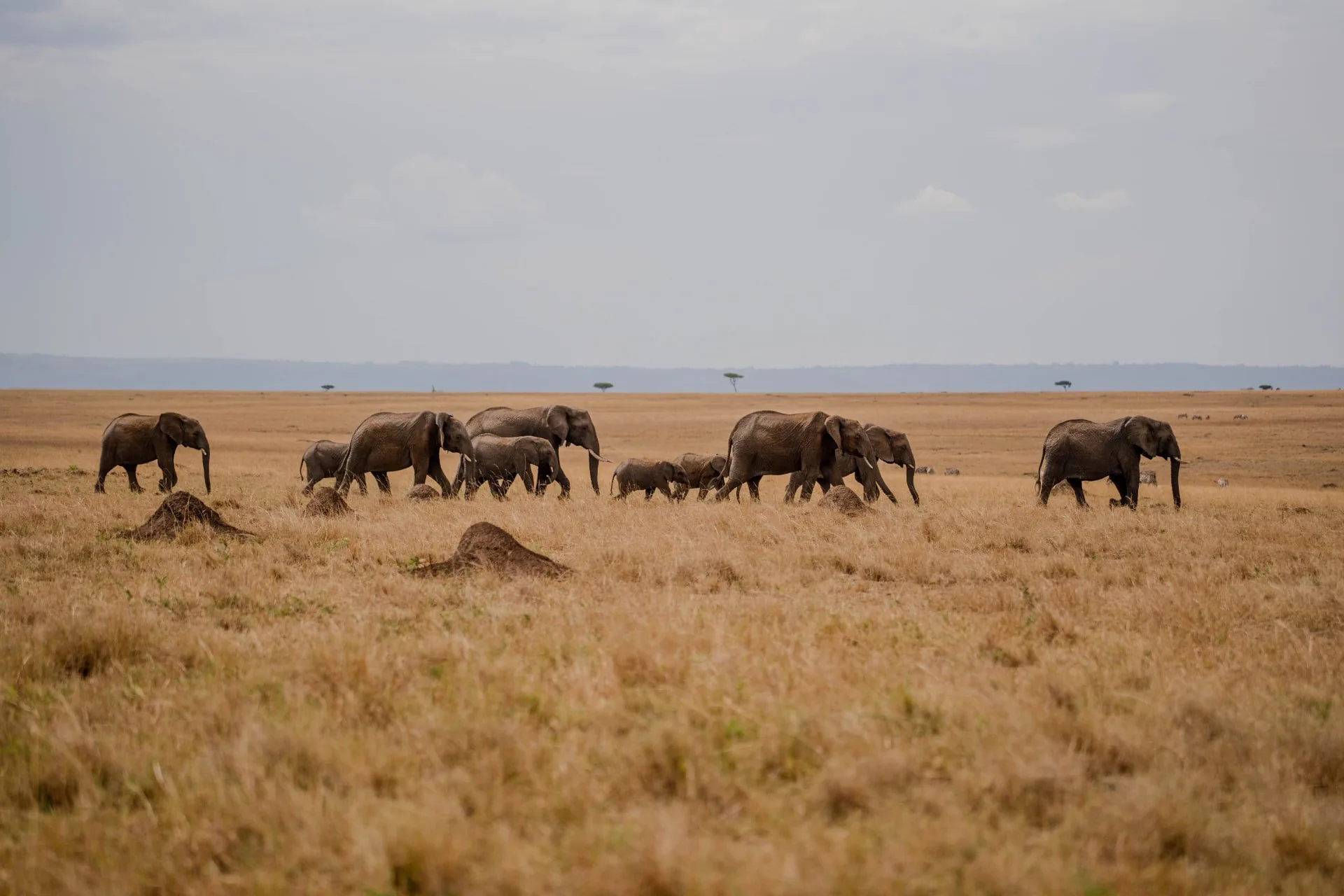
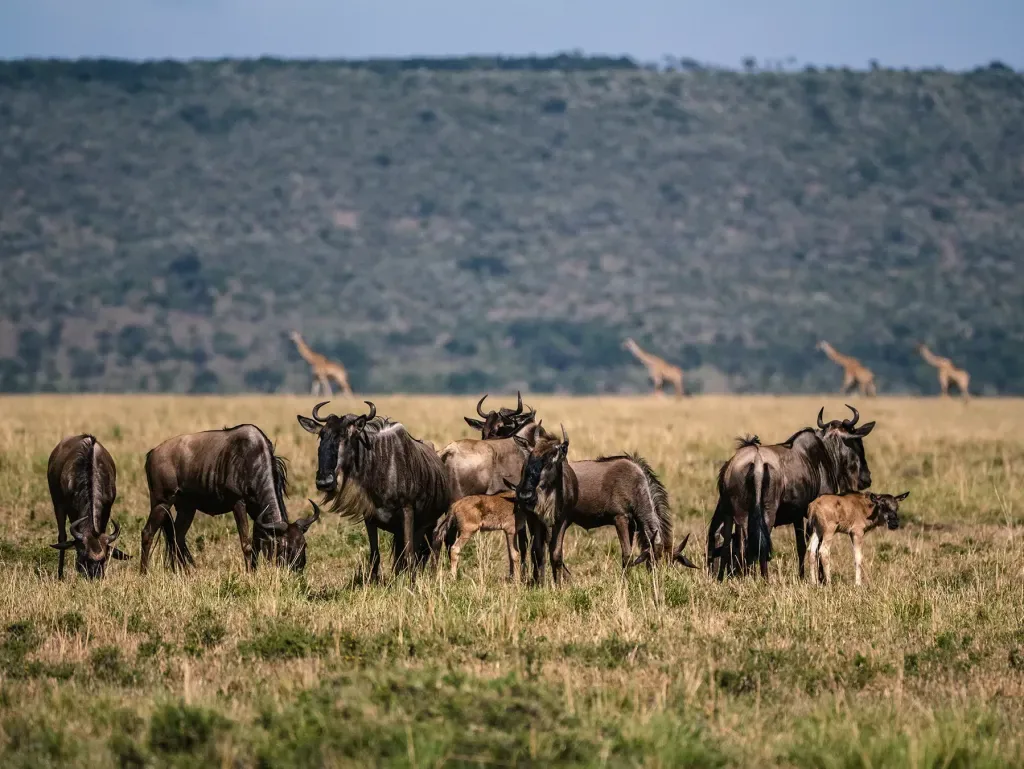
Samburu's dry-country species evolved beyond the reach of the commoner plains game, and seeing all five in a single day is a real possibility here. Grevy's zebra, the largest and most endangered zebra species, graze the open flats; reticulated giraffe stand against the doum palms; gerenuk feed standing on their hind legs; Beisa oryx and Somali ostrich complete the set. Our guides track these animals daily and know where each species holds territory, so your days are spent with the rare, not just the easy.
Why Book Your Samburu Safari With Us?
Built around your dates, budget, group size and pace.
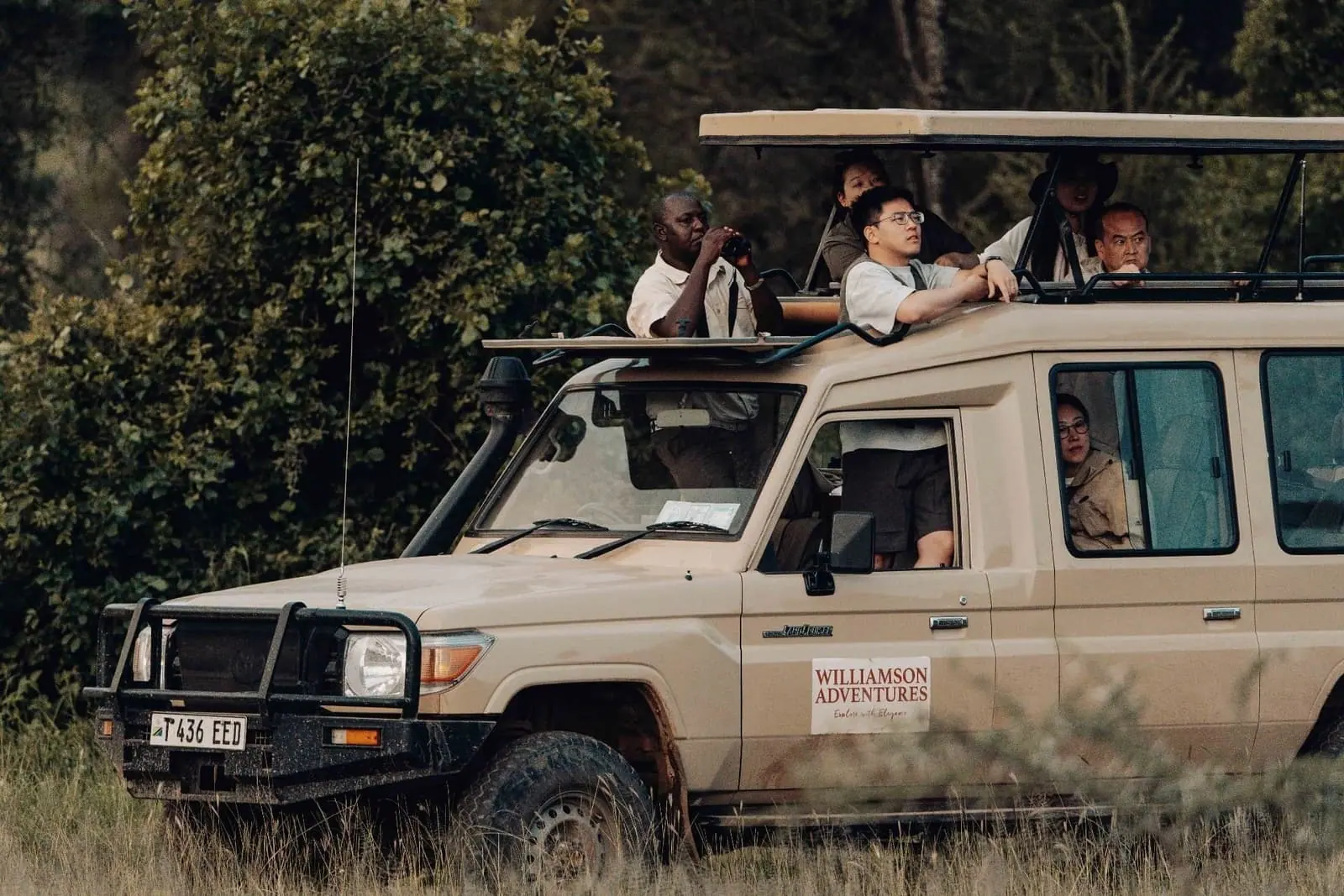
4×4 with pop-up roof, never shared with strangers.
Guides who track the Special Five season by season.
You see exactly what is included, with no hidden extras.
Care from first enquiry through to your journey home.
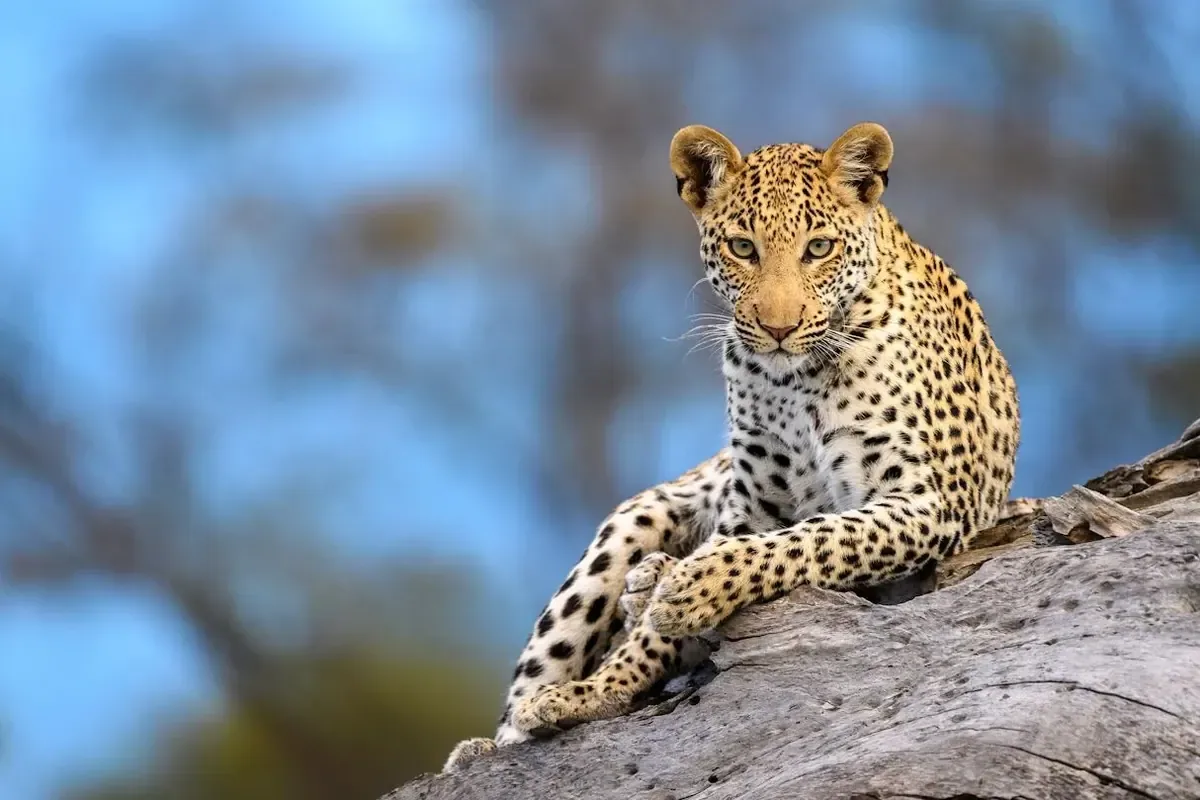
Morning and afternoon drives along the river and through dry-country plains.
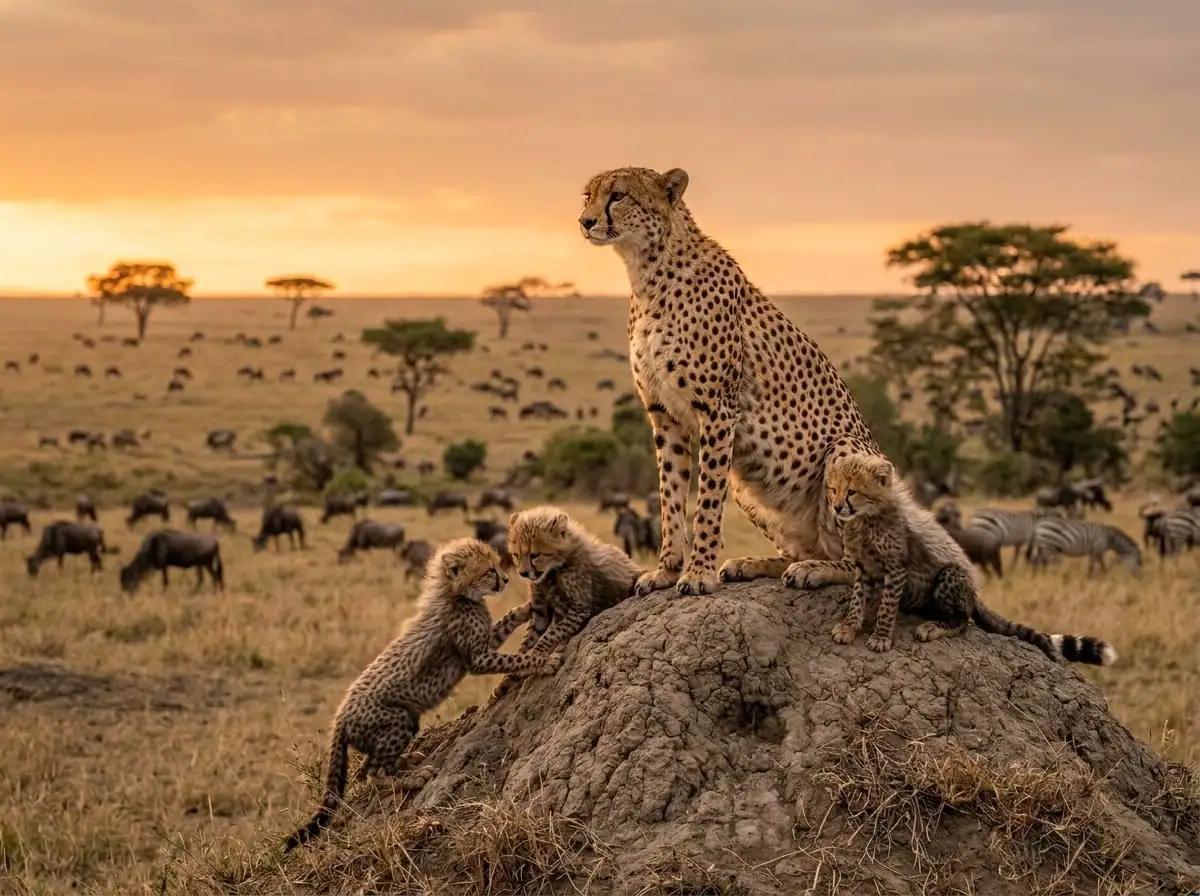
Grevy's zebra, gerenuk, oryx, Somali ostrich and reticulated giraffe, with patience.
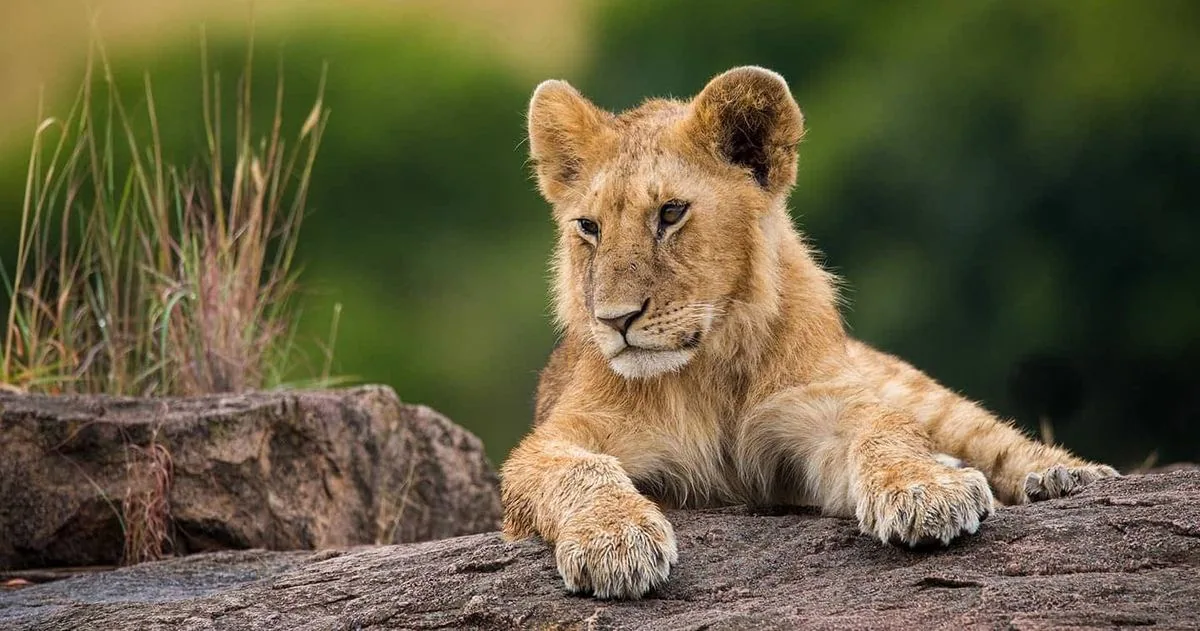
Samburu's leopards are among Kenya's best, and lion prides work the riverbanks.
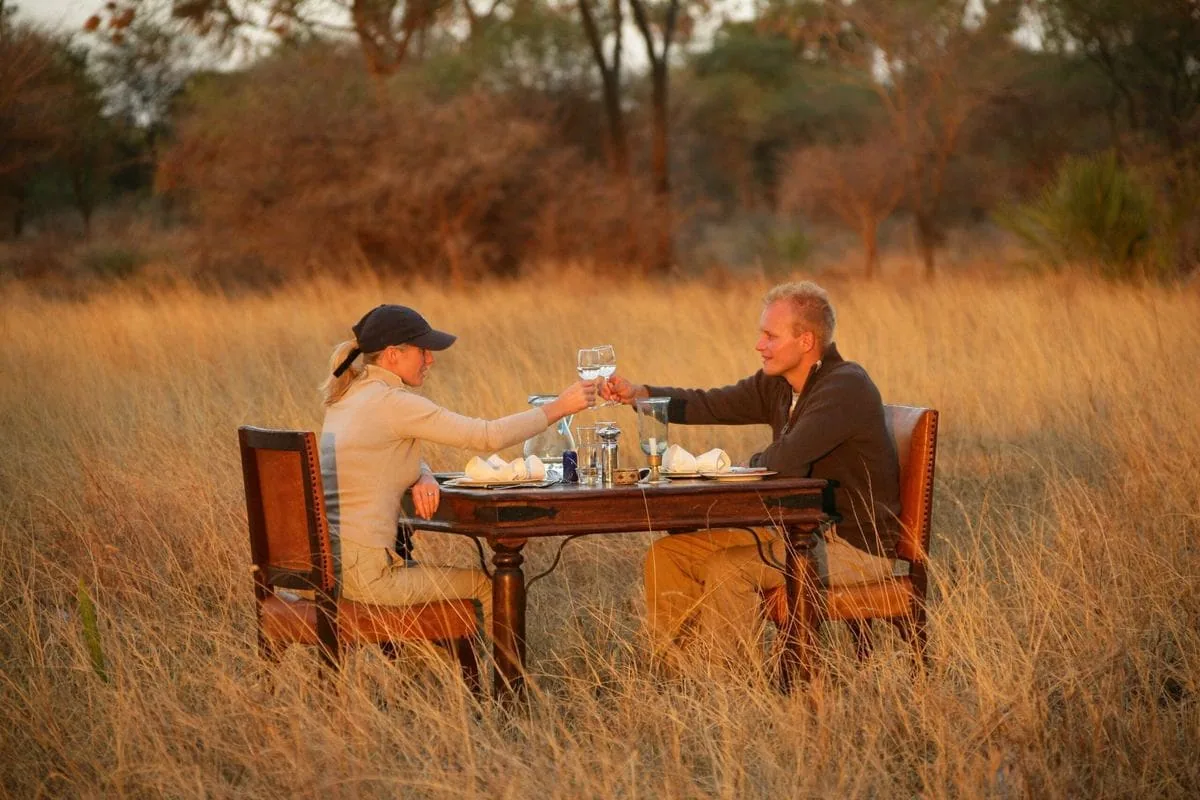
Meet Samburu moran and learn how communities share this dry land with wildlife.
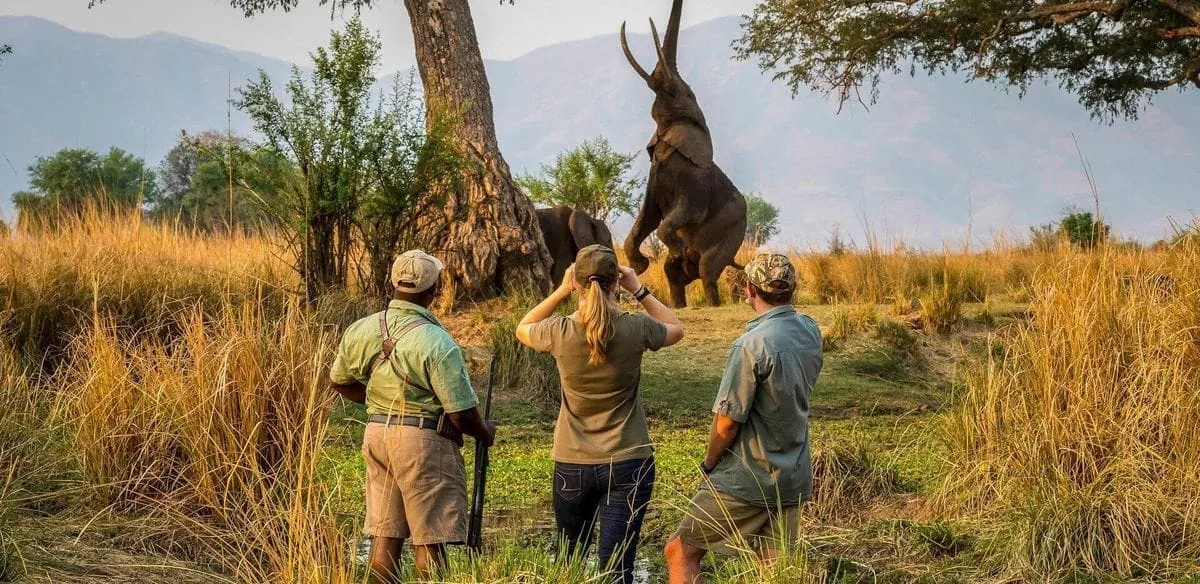
Visit the community-owned sanctuary rescuing orphaned elephants of the north.
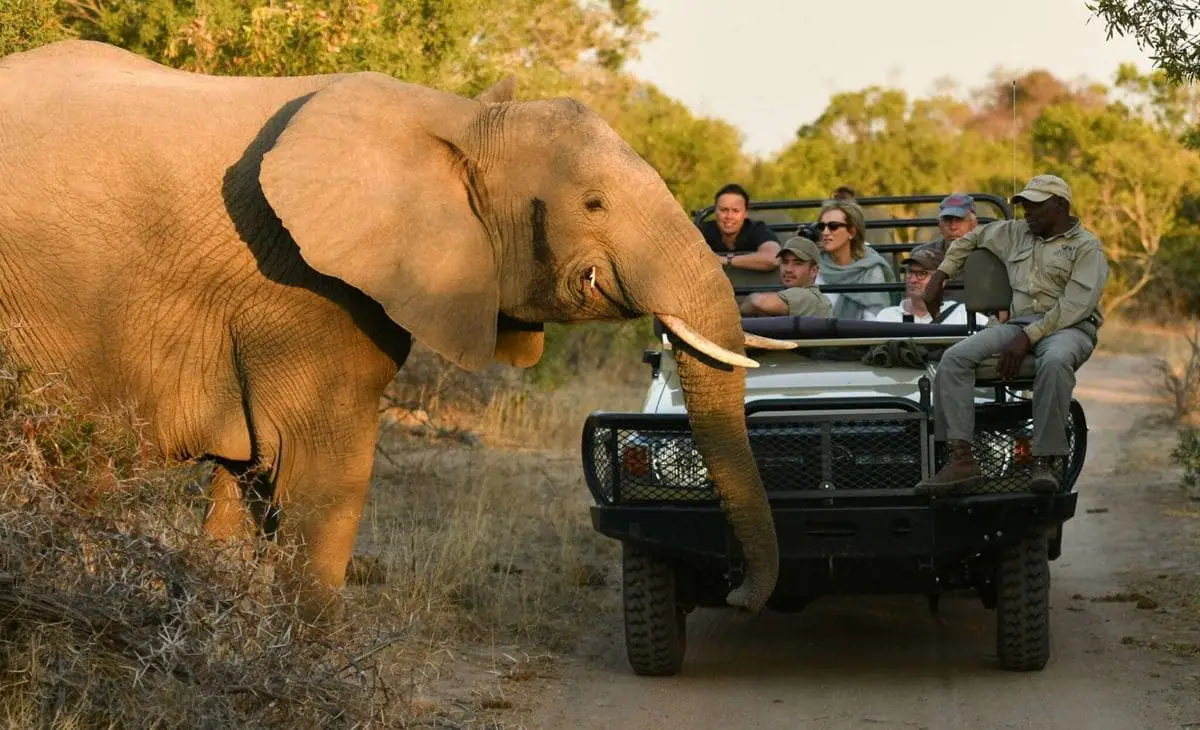
Samburu camps sit along the river or up on ridges with views across the wilderness, from elegant tented suites to family-run lodges with deep local roots. Inside the reserves you are closest to the game; neighbouring private conservancies add walking, camel safari and night drives with far fewer vehicles. We choose camps for shade, guiding quality and river access, and match them to your budget without padding.
Ask About Camps & LodgesConservancy walking and riding beneath the reserves' wild north.
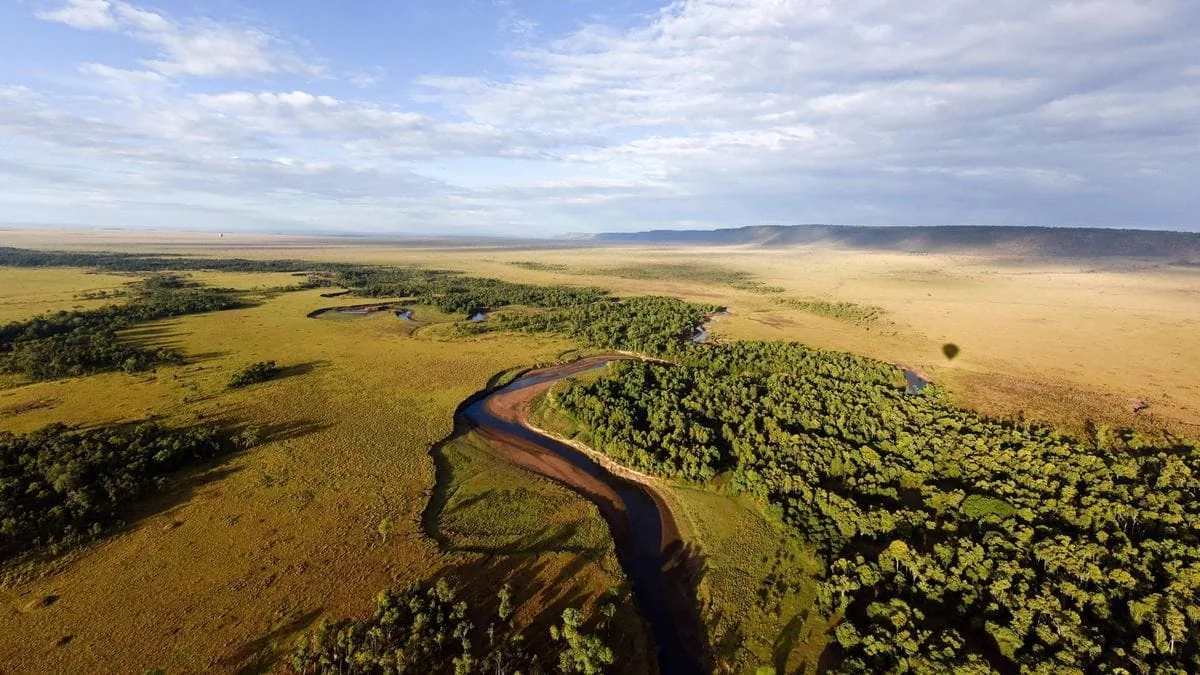
Dry-country rarities and the Migration's big cats in one trip.
Finish the north with Diani, Watamu or Lamu on the Indian Ocean.
Samburu is hot and dry most of the year, and the river holds the game whenever the surrounding country dries out. The rains change access more than the wildlife.
Dry and busy with game along the river; the classic Samburu window.
Hot, dry and excellent for cats; book early for shade-side tents.
Long rains: green country, lower rates, and occasional soft roads.
Short rains freshen the scrub; birdlife peaks and camps are quiet.
Samburu is five to six hours by road from Nairobi, usually via Nanyuki with a stop in Laikipia, or about one hour fifteen minutes by light aircraft to one of several airstrips. Flying suits shorter trips; driving suits circuits that include Laikipia or the Mara. We recommend the best fit for your route.
Three nights lets you work all three reserves and the river properly, and pairs naturally with two or three nights in Laikipia on the drive north or south. Photographers chasing leopards or the Special Five often stay four or five nights, as dry-country game moves widely between drinks.
Cost depends on season, group size, nights and camp category, plus reserve fees and transport. Samburu camps span excellent value to high-end exclusivity. We quote every element plainly — accommodation, fees, transport, meals, guiding and activities — so you can compare like with like.
The reserves offer the river, the density and the classic game drives. Private conservancies around them add walking, camels, night drives and off-road freedom with very few vehicles. With enough nights, combining both gives the richest picture of the north.
Lightweight breathable layers, a wide hat, high-factor sunscreen and plenty of water discipline; mornings are warm rather than cold, unlike the Mara. Neutral colours, closed shoes and camera dust protection matter here more than almost anywhere in Kenya.
Malaria prophylaxis is advised, and yellow fever certification may apply depending on your route. We recommend comprehensive travel insurance including medical evacuation. Every camp we use carries a medical kit and a clear evacuation protocol.
Your dates, your pace, your private safari.
Speak to an expert
Tell us what you have in mind. Our Tanzania team will reply with a tailored itinerary and transparent pricing.