

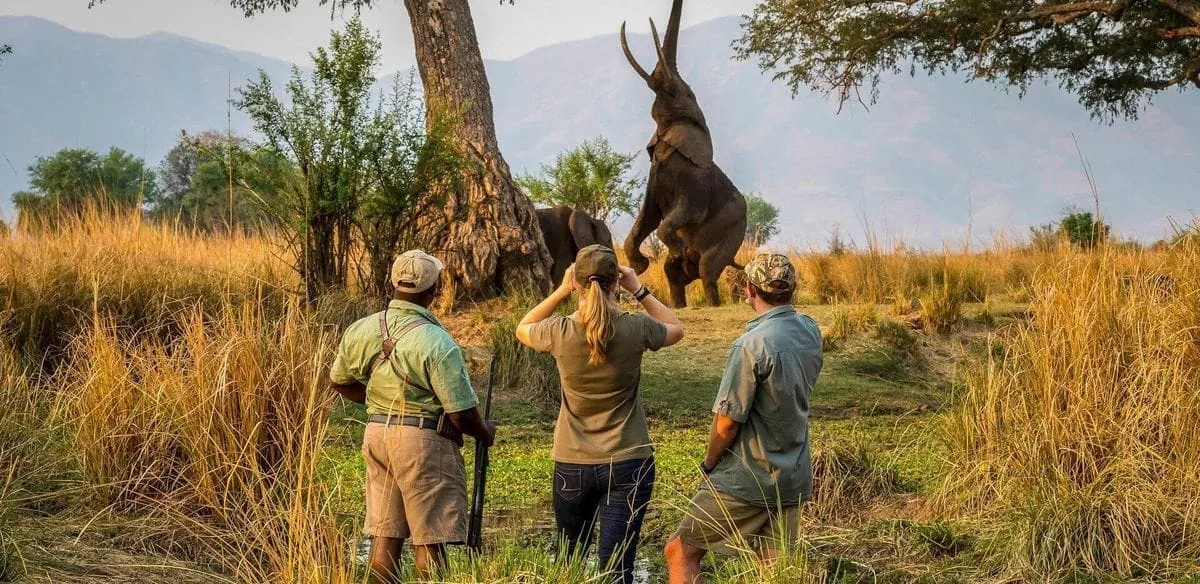
Explore Tanzania on Foot with a Guided Walking Safari
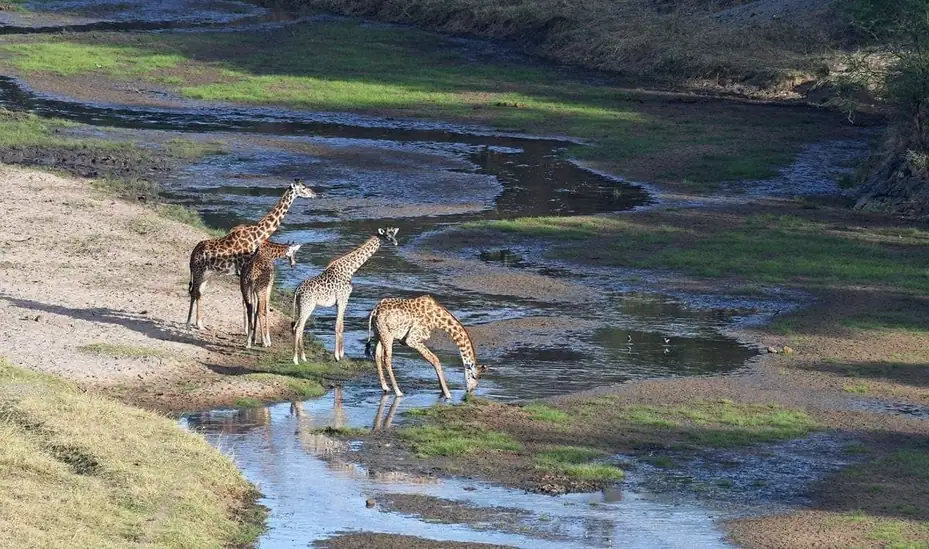
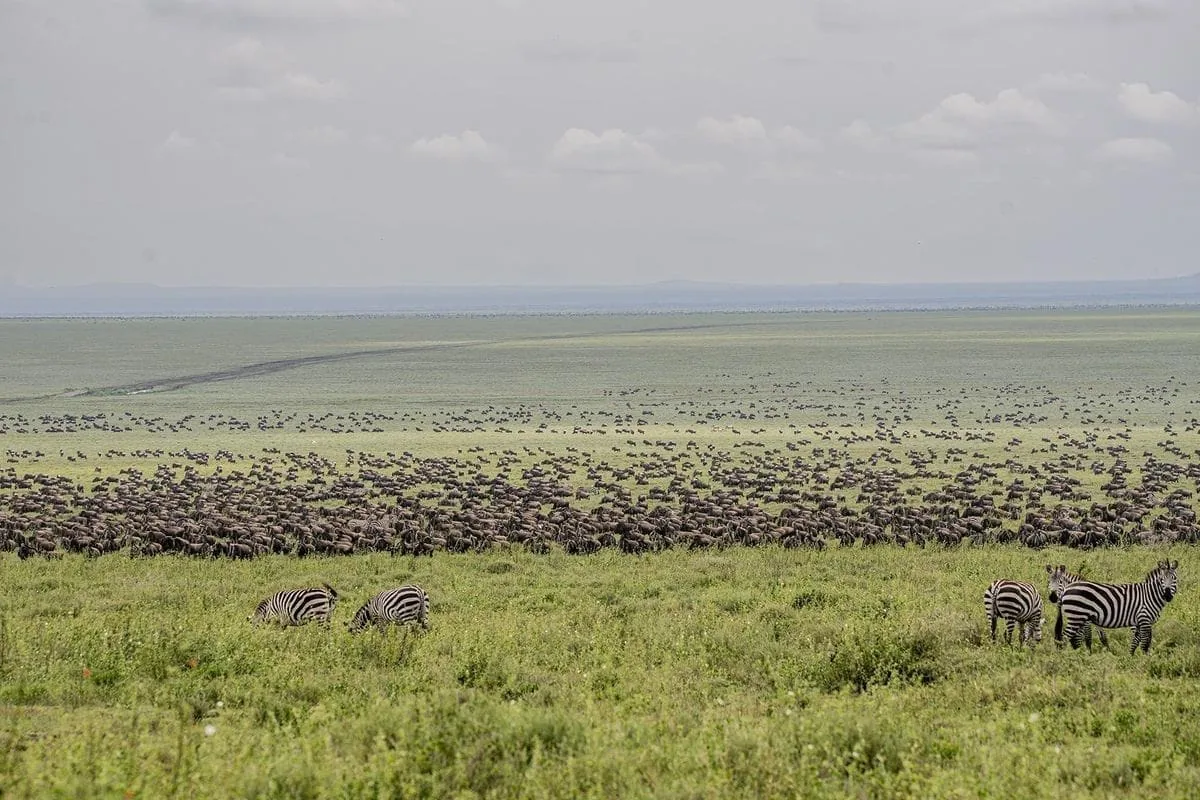
A walking safari in Tanzania offers one of the most immersive ways to experience the African wilderness. Instead of experiencing Tanzania exclusively from a safari vehicle, a guided walking safari allows you to slow down and explore the landscape on foot, accompanied by an experienced professional guide. Walking through the bush gives you the opportunity to notice the details that are often missed during a traditional game drive, from fresh animal tracks and dung to bird calls, insects, medicinal plants, ancient trees and subtle signs of wildlife activity. It is an experience designed not only around seeing animals, but around understanding the African ecosystem and learning how every part of the environment is connected.
A Tanzania walking safari can be incorporated into a longer safari itinerary or arranged as a dedicated walking experience. Depending on the destination, guests can enjoy short nature walks, half-day walking safaris, full-day wilderness walks or multi-day walking experiences. Walking activities are carefully selected according to the destination, season, conservation regulations, wildlife conditions and the physical ability of the guests.
What Is a Walking Safari in Tanzania?
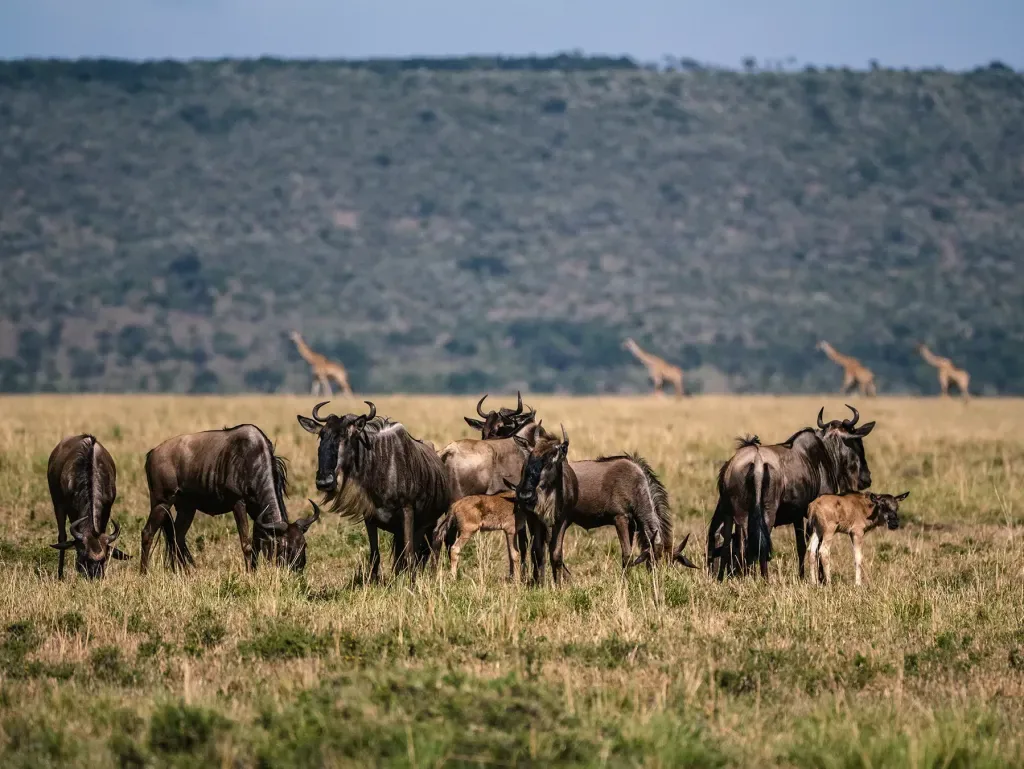
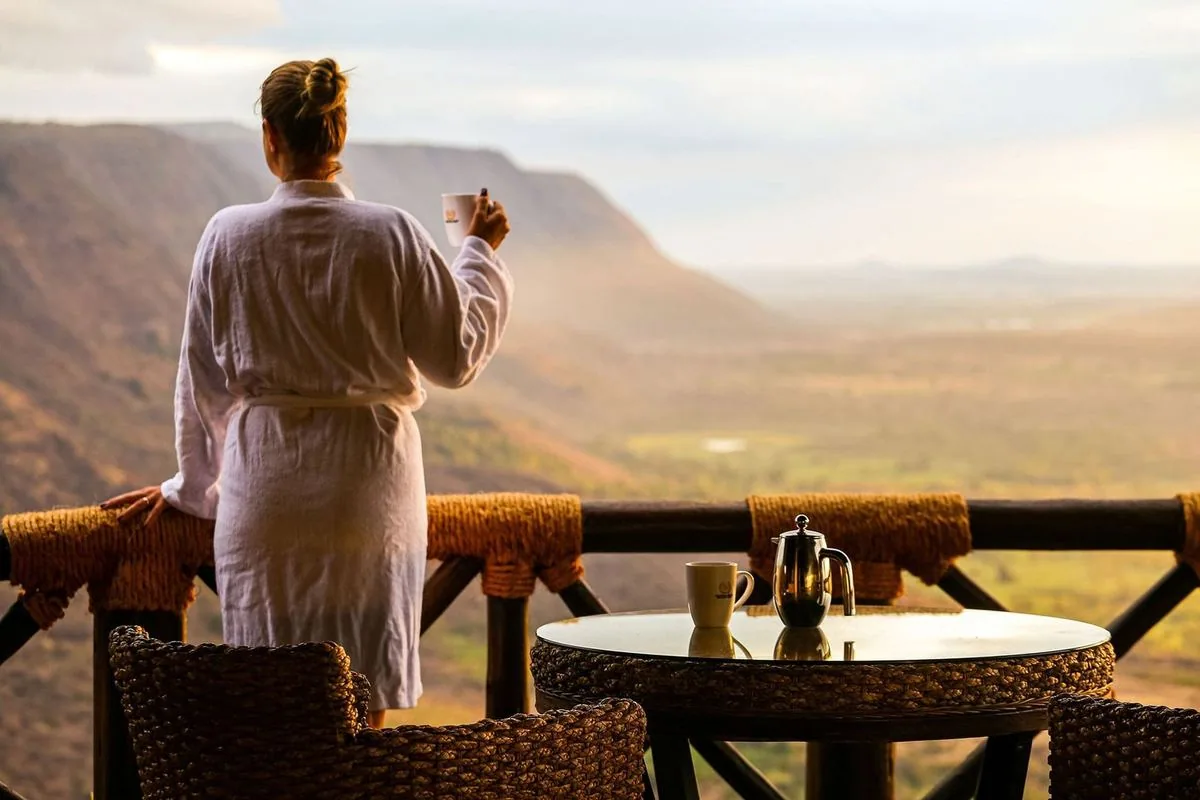
A walking safari is a guided safari experience conducted on foot within a designated wildlife, conservation or private wilderness area. Unlike a traditional game drive, where a vehicle allows you to cover large distances and search for major wildlife sightings, walking safari focuses on experiencing the environment at a slower and more intimate pace. Your guide teaches you how to read the landscape, identify animal footprints, understand wildlife behaviour, recognize different plants and trees, interpret bird calls and identify signs that animals have recently passed through an area.
The real attraction of a guided walking safari in Tanzania is the opportunity to become more connected with the wilderness. You are no longer simply observing the landscape through a vehicle window. You can hear the wind moving through the vegetation, smell the different plants, feel the changing terrain beneath your feet and observe the smaller details of the ecosystem. A walking safari therefore offers a deeper educational and sensory experience that complements traditional wildlife viewing.
Why Choose a Walking Safari in Tanzania?
Tanzania is one of Africa's premier safari destinations, famous for the Serengeti, Ngorongoro, Tarangire, Nyerere and Ruaha. While traditional game drives remain the best way to cover large areas and search for major wildlife sightings, a walking safari provides another dimension to the Tanzania safari experience.
When travelling on foot, the focus shifts from simply finding the Big Five to understanding the environment in which they live. Your guide may stop to explain elephant footprints, identify a particular tree species, point out a bird hidden in the vegetation or demonstrate how animals use particular trails. You may spend several minutes examining a single set of tracks and learning what it tells you about the animal's direction, size and behaviour.
For travellers who want an authentic African wilderness experience, a walking safari is one of the most rewarding activities that can be added to a Tanzania safari.
What Can You Experience on a Tanzania Walking Safari?
A walking safari is much more than walking from one point to another. It is an interpretive wilderness experience where the landscape becomes the subject of the safari.
During your walk, your guide may introduce you to different trees, grasses, flowers and medicinal plants while explaining their importance to wildlife and local communities. You may learn how to distinguish the tracks of different animals and understand how guides use footprints, feeding marks, broken branches and animal droppings to determine what wildlife has recently passed through an area.
Birdwatching is also an important part of walking safaris. Because walking is slower and quieter than travelling by vehicle, guests often have excellent opportunities to observe smaller birds and listen to different calls. Depending on the destination and season, you may also encounter giraffes, zebras, antelope, elephants, buffalo, warthogs, primates and other wildlife.
Wildlife sightings are never guaranteed, however. The purpose of a walking safari is not to approach dangerous animals but to experience the wilderness responsibly and safely under professional guidance.
Walking Safari Tanzania Prices
The cost of a walking safari in Tanzania depends on several factors, including the destination, duration, number of guests, type of accommodation, guiding arrangements, park or conservation fees and whether the walking experience is private or shared.
For this reason, there is no single fixed price for every Tanzania walking safari. A short guided walk near Arusha will have a very different cost from a multi-day private walking safari in a remote wilderness area.
Indicative Walking Safari Prices
| Walking Safari Experience | Approximate Price Per Person |
|---|---|
| Short Guided Nature Walk | From US$50–100 |
| Half-Day Walking Safari | From US$80–150 |
| Full-Day Walking Safari | From US$150–300 |
| Private Walking Safari | From US$200–400+ |
| Multi-Day Walking Safari | From US$400–800+ per day |
| Luxury Walking Safari | From US$700–1,500+ per person/day |
Prices are indicative and can vary according to destination, season, group size, accommodation, conservation fees, guide arrangements and itinerary. For a personalized quotation, we recommend contacting our safari specialists with your preferred travel dates, number of travellers, preferred destination and accommodation level.
What Is Included in the Price of a Walking Safari?
The inclusions depend on the walking safari package you choose. A professionally arranged walking safari may include the services of an experienced walking guide, park or conservation fees, transfers, meals, accommodation and other safari activities where applicable.
For multi-day walking safaris, the price may also include accommodation in permanent tented camps, safari lodges or wilderness camps, depending on the destination and itinerary. Transportation between destinations can also be included when the walking safari forms part of a larger Tanzania safari.
Before confirming your booking, we provide a detailed quotation explaining exactly what is included and excluded so that you can clearly understand the total cost of your Tanzania walking safari.
What Affects the Price of a Walking Safari in Tanzania?
Destination
Walking experiences close to Arusha may be less expensive than specialist walking safaris in remote areas such as Ruaha or Nyerere National Park because of differences in logistics, transportation, conservation fees and accommodation.
Request a walking safari quoteWhat Affects the Price of a Walking Safari in Tanzania?
Duration
A two-hour nature walk naturally costs less than a full-day or multi-day walking safari. Longer experiences require additional guiding, meals, transportation, accommodation and operational arrangements.
Request a walking safari quoteWhat Affects the Price of a Walking Safari in Tanzania?
Accommodation
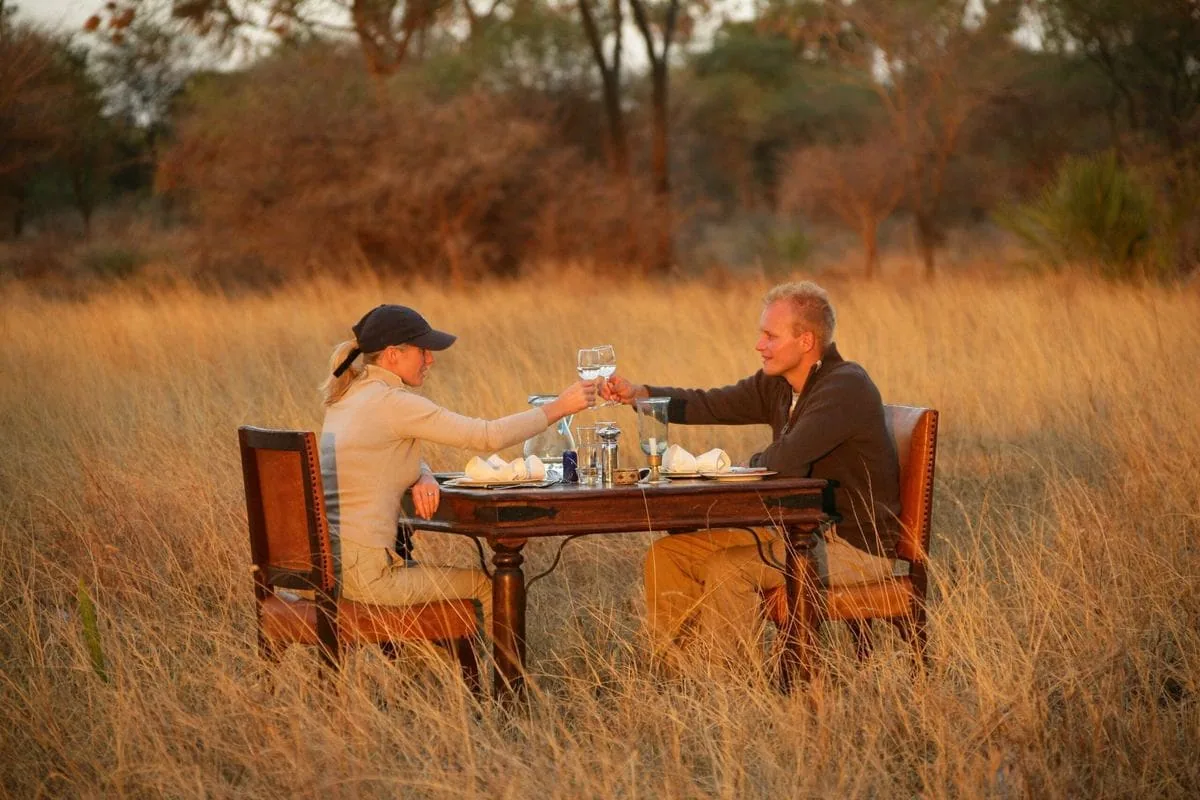
Budget accommodation, mid-range lodges, permanent tented camps and luxury safari camps have different nightly rates and therefore produce different overall safari prices.
Request a walking safari quoteWhat Affects the Price of a Walking Safari in Tanzania?
Season
Peak travel periods generally attract higher accommodation and safari rates, while selected low or shoulder-season periods may offer better value.
Request a walking safari quoteBest Places for Walking Safaris in Tanzania
Walking Safari in Arusha National Park
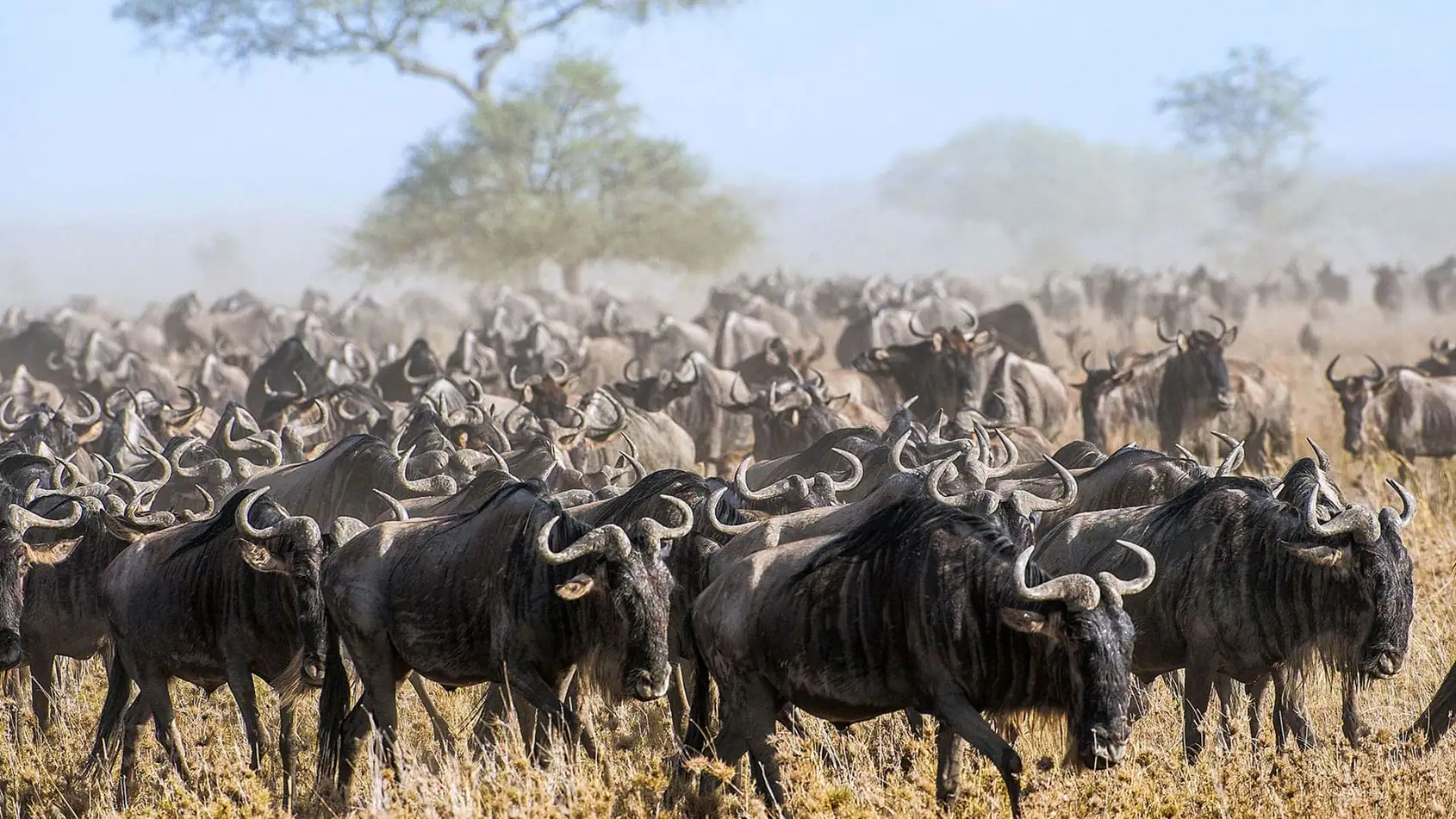
Arusha National Park is one of the most accessible places to experience a walking safari in northern Tanzania. Its proximity to Arusha makes it particularly suitable for travellers who want to add a walking experience before or after their main safari. The park contains a fascinating combination of montane forest, open grasslands, volcanic landscapes and lakes, creating an excellent environment for nature interpretation and walking.
A walking safari in Arusha can focus on wildlife, birds, plants, landscapes and the ecological importance of Mount Meru. Because the park is relatively close to Arusha, it can also be incorporated into shorter Tanzania safari itineraries.
Best Places for Walking Safaris in Tanzania
Walking Safari in Tarangire
Tarangire is famous for its large elephant populations, ancient baobab trees and beautiful seasonal landscapes. While game drives are the principal way of exploring the national park, walking experiences may be available in appropriate areas surrounding the park or within permitted conservation areas.
A walking safari near Tarangire provides an opportunity to explore the ecosystem from ground level and learn about the relationship between wildlife, vegetation and seasonal water sources. It is particularly appealing to travellers who want to combine traditional game drives with a more intimate nature experience.
Best Places for Walking Safaris in Tanzania
Walking Safari in the Serengeti
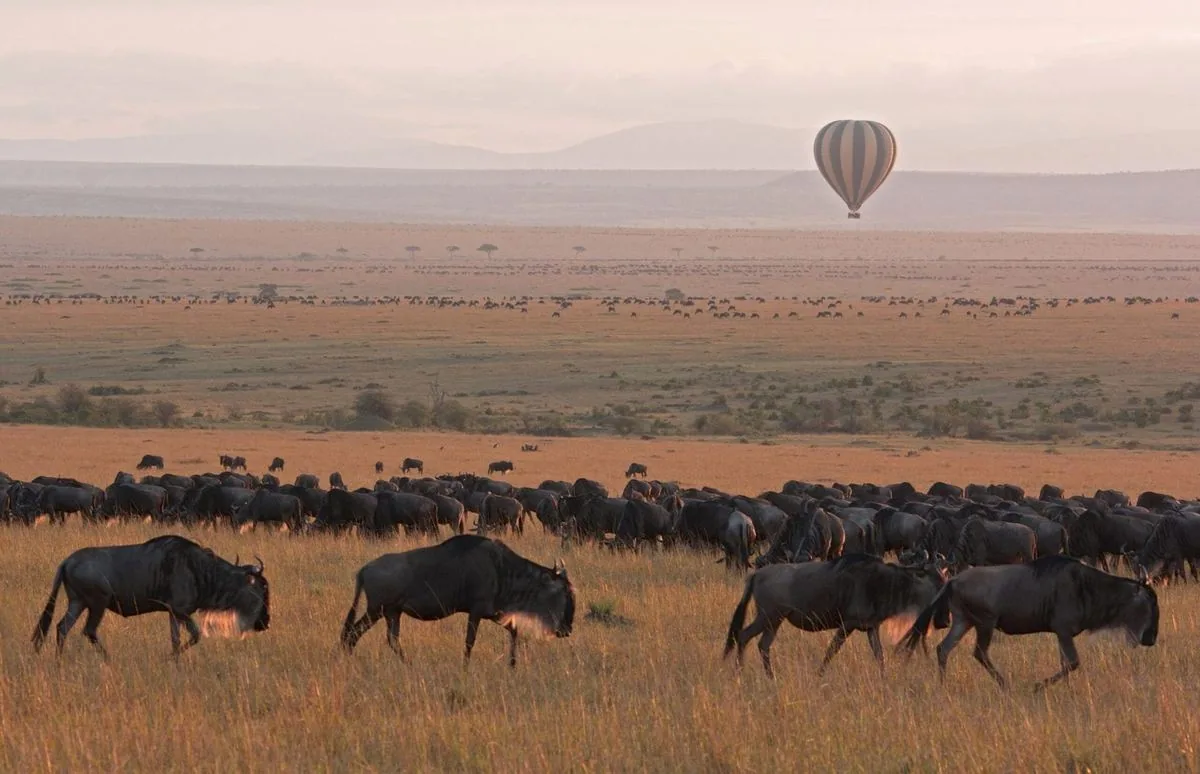
The Serengeti ecosystem is one of Tanzania's most famous wilderness regions, and selected areas offer opportunities for walking experiences where permitted by conservation regulations and local operating arrangements.
A Serengeti walking experience allows travellers to appreciate the enormous landscape differently. Rather than concentrating only on major wildlife sightings, guests can learn how animals move through the ecosystem, how predators and prey interact with the landscape and how water, vegetation and seasonal changes influence wildlife distribution.
Walking activities in the Serengeti must always follow the regulations and safety requirements of the specific area.
Best Places for Walking Safaris in Tanzania
Walking Safari in Nyerere National Park
Nyerere National Park offers a more remote and wilderness-oriented safari experience in southern Tanzania. Its extensive landscapes, rivers, woodland and wildlife make it particularly attractive for travellers searching for an alternative to the busier northern safari circuit.
A walking safari in Nyerere National Park allows guests to experience the African bush at a slower pace while learning from experienced guides about tracks, plants, birds and animal behaviour. Walking can be combined with game drives and other safari activities to create a varied southern Tanzania safari itinerary.
Best Places for Walking Safaris in Tanzania
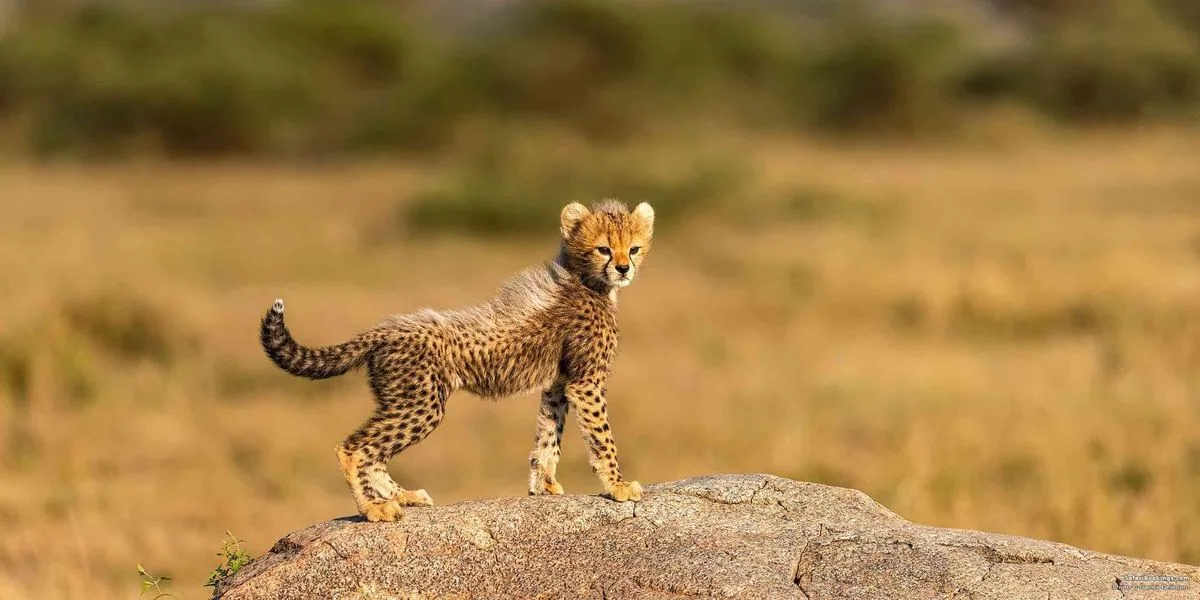
Walking Safari in Ruaha National Park
Ruaha is one of Tanzania's great wilderness destinations and is particularly appealing to travellers looking for remote landscapes and fewer visitors. Its dramatic scenery, large elephant populations and diverse wildlife provide an exceptional environment for a wilderness-focused safari.
A walking safari in Ruaha offers an opportunity to appreciate the details of this ecosystem that are often overlooked during vehicle-based safaris. The experience is particularly suited to adventurous travellers, photographers and repeat safari guests who want a deeper connection with Tanzania's wilderness.
Itineraries That Include a Walking Safari
These journeys pair classic game drives with time on foot — each can be tailored around the walking experience you have in mind.
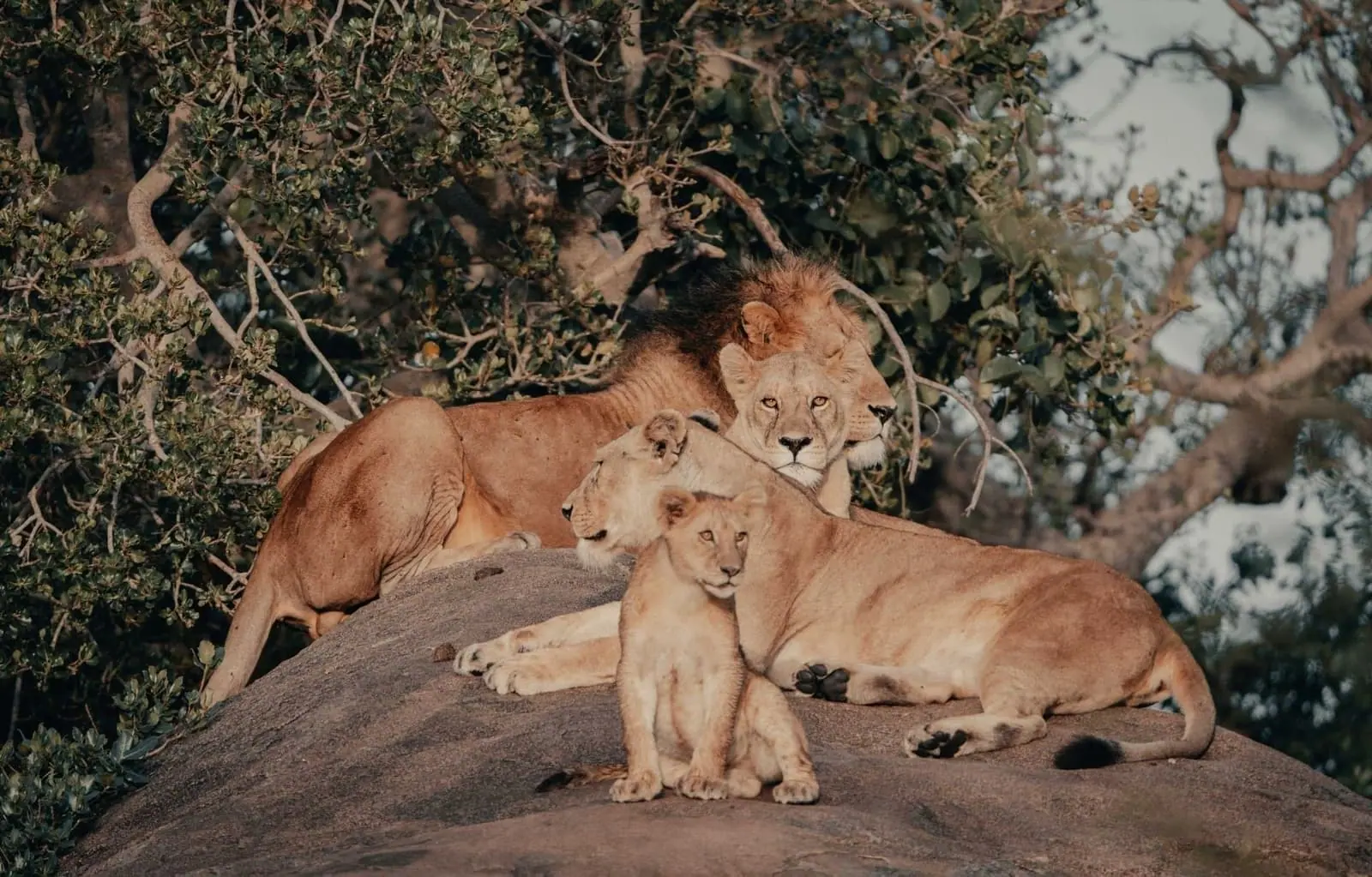
6 Days Tanzania Wildlife Safari
Guided walking safari in Arusha National Park
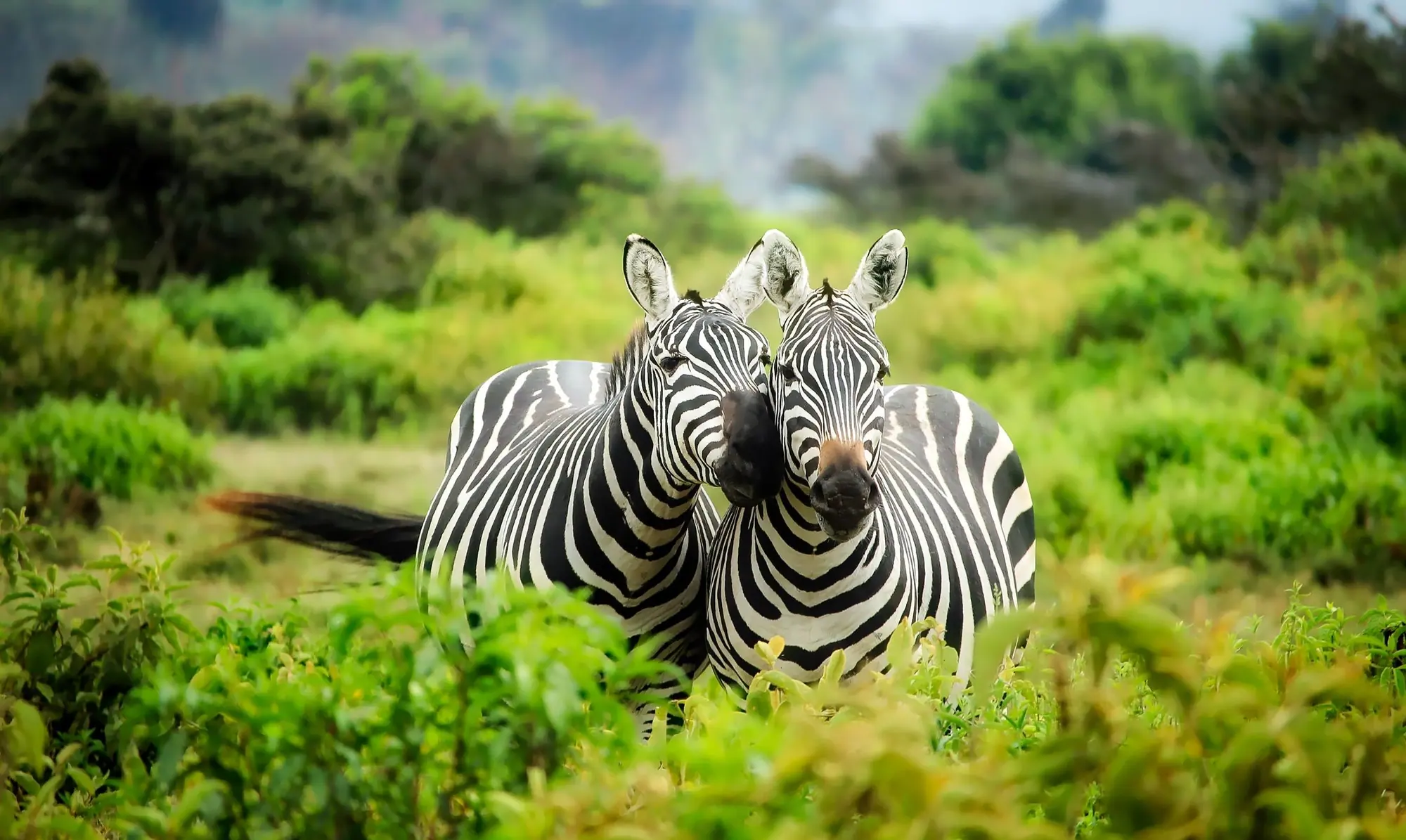
10 Days Tanzania Photographic Safari
Walking safari among Arusha NP's forests and lakes
Is a Tanzania Walking Safari Safe?
Safety is the highest priority during any walking safari. Walking in a wildlife environment is fundamentally different from walking in an ordinary park or nature reserve, which is why guests are accompanied by trained professional guides and must follow their instructions throughout the experience.
Before beginning the walk, your guide provides a safety briefing explaining how the group should behave, how to respond to wildlife encounters and why guests must remain together. The guide continually evaluates wildlife activity, weather, terrain and other environmental conditions and can change the route or activity whenever necessary.
Guests should never approach wildlife independently, leave the group without permission or attempt to run toward or away from animals. The safest walking safari is one where guests listen carefully to their guide and allow the guide to control the pace and direction of the experience.
Walking Safari vs Game Drive
A walking safari and a game drive are complementary rather than competing safari experiences.
A game drive allows you to cover much greater distances and is generally more effective for searching for large mammals such as lions, leopards, cheetahs, elephants and buffalo. A vehicle also allows you to explore a larger geographical area during a single day.
Walking safari, on the other hand, is slower and more focused on interpretation. You can spend time studying tracks, identifying plants, listening to birds and understanding the small details of the environment.
For many travellers, the ideal Tanzania safari itinerary combines both experiences: game drives for extensive wildlife viewing and walking safaris for a more intimate connection with the ecosystem.
Best Time for a Walking Safari in Tanzania
The best time for a walking safari depends on your destination and the type of experience you want. Tanzania's dry season is often attractive for walking because trails are generally easier to navigate and wildlife may concentrate around remaining water sources. The green season, however, can provide beautiful scenery, fresh vegetation and excellent birdwatching opportunities.
Rather than choosing a single "best month," we recommend selecting the destination and walking experience according to your interests, travel dates and overall safari itinerary. Our safari specialists can help you determine which destination offers the most suitable walking experience during your planned visit.
What Should You Wear for a Walking Safari?
Comfortable and practical clothing is important when participating in a walking safari. Lightweight long trousers and long-sleeved shirts are recommended because they provide protection from vegetation, insects and the sun. Neutral or natural colours are generally preferable in wilderness environments.
Comfortable closed walking shoes or hiking boots should be worn, particularly on longer walks. A hat, sunglasses, sunscreen, insect repellent and a reusable water bottle are also recommended.
For early morning walks, temperatures can be cool, so a light fleece or jacket may be useful. During wetter periods, a lightweight waterproof jacket can also be helpful.
Who Should Choose a Walking Safari?
A walking safari is particularly suitable for travellers who enjoy nature, adventure, photography and learning about ecosystems. It is an excellent option for guests who want to experience Tanzania beyond the traditional safari vehicle.
It can also be an excellent addition for repeat safari travellers. If you have already experienced several game drives, walking gives you a completely different perspective of the same African wilderness.
The level of physical activity varies according to the walk. Short nature walks can be relatively easy, while longer wilderness walks require a higher level of fitness. The appropriate walking experience should therefore be selected according to your physical ability and comfort level.
Private Walking Safari Tanzania
A private walking safari in Tanzania provides the greatest flexibility and allows the experience to be tailored around your interests. With a private guide, you can generally move at your own pace and spend more time focusing on subjects that interest you, whether that is photography, birds, animal tracks, plants or the wider ecosystem.
Private walking safaris are particularly suitable for couples, families, photographers and small groups who prefer a more personalized safari experience.
Walking Safari for Families
Families can also incorporate walking into a Tanzania safari, although suitability depends on the children's ages, destination, walking distance and local safety conditions.
Shorter guided nature walks can be an excellent way for children to learn about African wildlife without requiring an entire day on foot. Guides can make the experience educational and engaging by explaining animal tracks, insects, plants and other features of the environment.
For families, we recommend discussing the children's ages and interests with our safari team before selecting a walking experience.
What Makes a Walking Safari Different?
The greatest difference between a walking safari and a traditional game drive is the way you interact with the environment.
From a safari vehicle, you may see an elephant crossing the road or a lion resting under a tree. On foot, you may discover the tracks that led to the animal, understand why it chose a particular route and learn how your guide identified its presence before you even saw it.
This makes walking safari less about simply collecting wildlife sightings and more about understanding the wilderness. It is an experience of discovery, interpretation and connection.
Combine Walking Safari With a Tanzania Safari
A walking safari does not have to replace your traditional safari. In fact, combining the two can create a much richer Tanzania holiday.
A typical itinerary might include several days of game drives in the Serengeti and Ngorongoro area, followed by a walking experience in an appropriate conservation area. Alternatively, travellers arriving in Arusha can begin their trip with a walking experience in Arusha National Park before continuing to Tarangire, Ngorongoro and the Serengeti.
For travellers visiting southern Tanzania, walking can be combined with game drives in Nyerere National Park and Ruaha National Park. This combination allows you to experience Tanzania from two perspectives: the expansive wildlife experience of the safari vehicle and the intimate wilderness experience of walking.
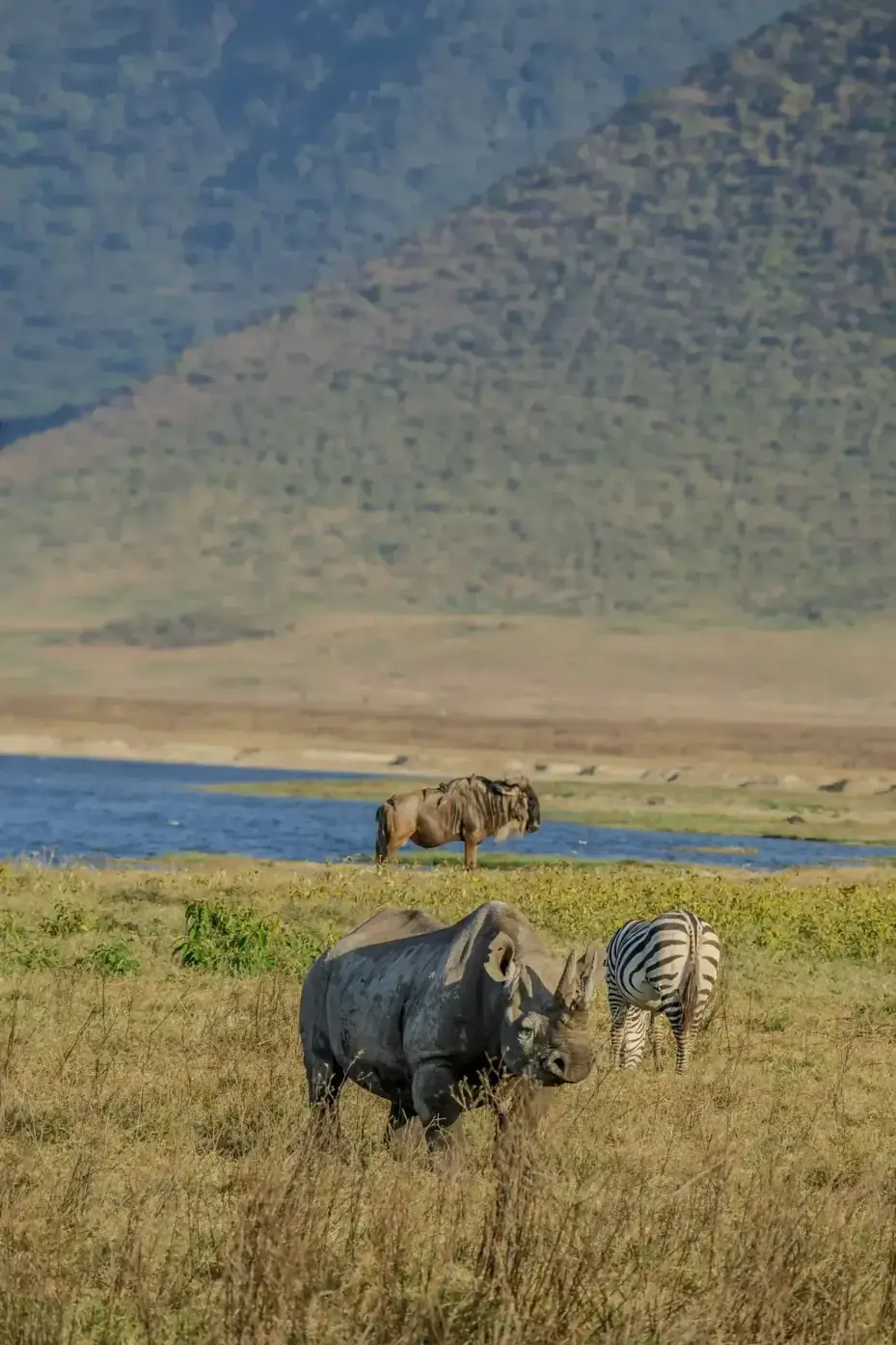
Moments on Foot
Book Your Walking Safari Tanzania
A walking safari in Tanzania is an opportunity to slow down, leave the vehicle behind and experience the African wilderness from a completely different perspective.
Whether you are looking for a short guided nature walk near Arusha, a private walking experience around Tarangire, a wilderness adventure in southern Tanzania or a walking experience combined with a longer Tanzania safari, we can help design an itinerary around your interests, travel dates and preferred accommodation.
Tell us your travel dates, number of travellers, preferred destinations and accommodation style, and our safari specialists will prepare a personalized walking safari quotation.
Frequently Asked Questions About Walking Safaris in Tanzania
Your dates, your pace, your private safari.
Speak to an expert
Plan your safari with us
Tell us what you have in mind. Our Tanzania team will reply with a tailored itinerary and transparent pricing.