
 8 Days / 7 Nights
8 Days Kenya Safari & Diani Beach: Nakuru, Amboseli, Tsavo
Lake Nakuru National Park · Amboseli National Park · Tsavo West National Park · Tsavo East National Park · Diani Beach
View itinerary
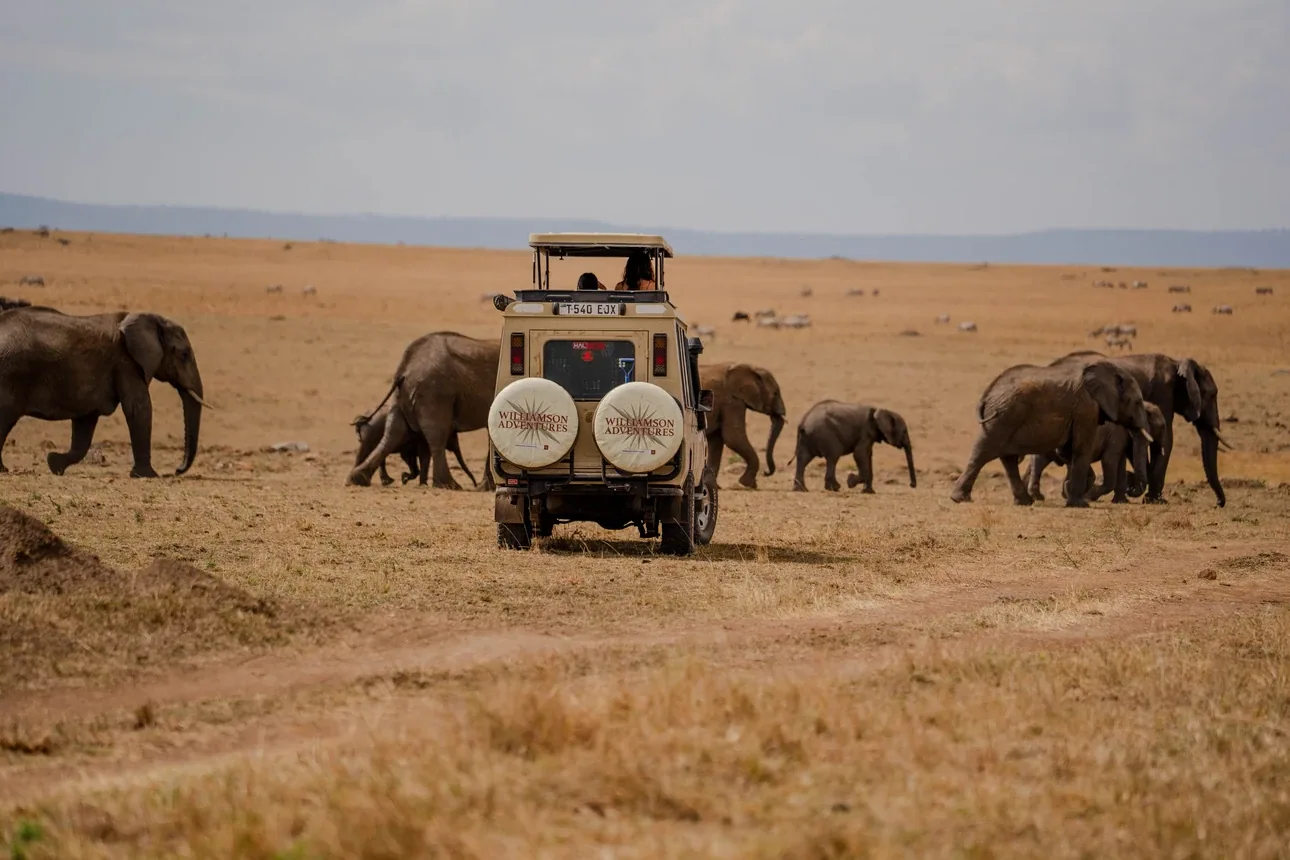
Tsavo East and Tsavo West together form Kenya's largest protected area — a semi-arid wilderness larger than some countries, crossed by the Galana and Tsavo rivers and dotted with spring-fed oases.
Tsavo East's open red-earth plains carry enormous herds of famous red-dusted elephants, while Tsavo West is greener and rockier, hiding Mzima Springs' underwater hippo viewing, the Shetani lava flow and the poignantly historic man-eaters' country. Visitors are few: much of the year you share a waterhole with nobody. And Tsavo sits conveniently on the Nairobi–Mombasa route, making it the classic bridge between safari and coast.
8 Days / 7 NightsLake Nakuru National Park · Amboseli National Park · Tsavo West National Park · Tsavo East National Park · Diani Beach
View itineraryLooking for something different? Let us design it around you.
Explore expert-written articles on Tanzania’s parks, the Great Migration, Kilimanjaro and Zanzibar — practical advice and field knowledge from the Williamson Adventures team.

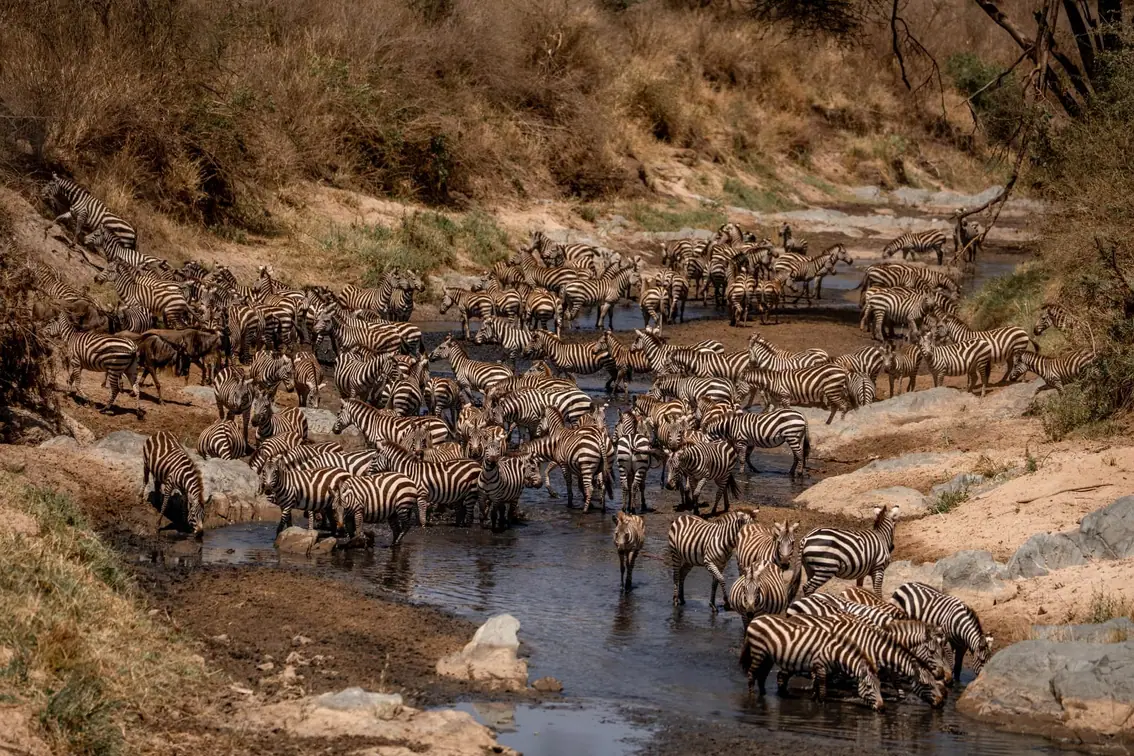
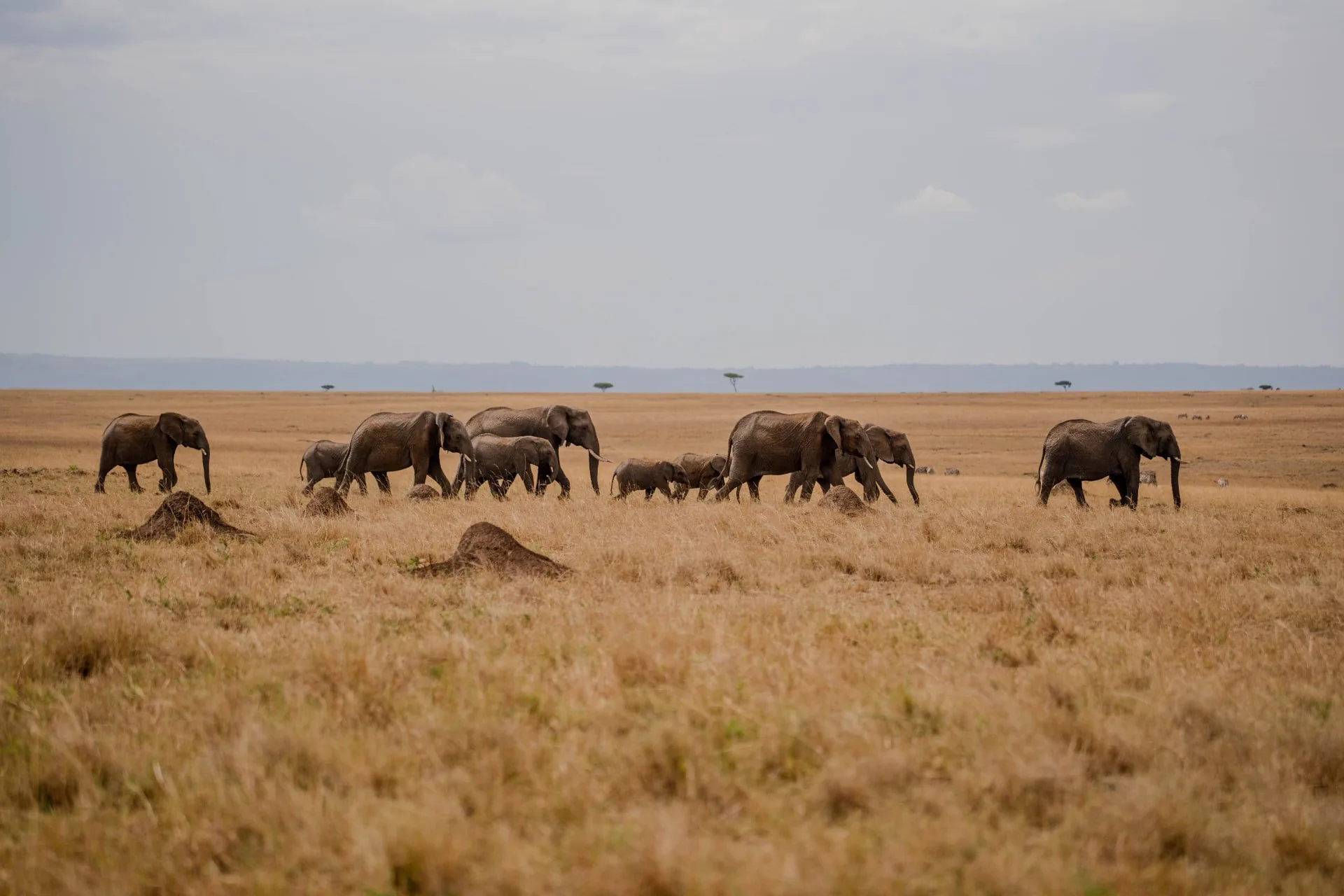
Tsavo's elephants wear their name and their colour from the land itself, rolling and dusting in the fine red soil until they glow rust against the green of the Galana river. Tsavo's herds are famously independent — some have grown up rarely seeing people — and watching a family cross the river at dawn, dust hanging in the light, is one of East Africa's great private moments. Our guides know the waterholes and the corridors, so your drives follow the elephants rather than the roads.
Why Book Your Tsavo Safari With Us?
Built around your dates, budget, group size and pace.
4×4 with pop-up roof, never shared with strangers.
Guides who know the waterholes the elephants rotate through.
You see exactly what is included, with no hidden extras.
Care from first enquiry through to your journey home.
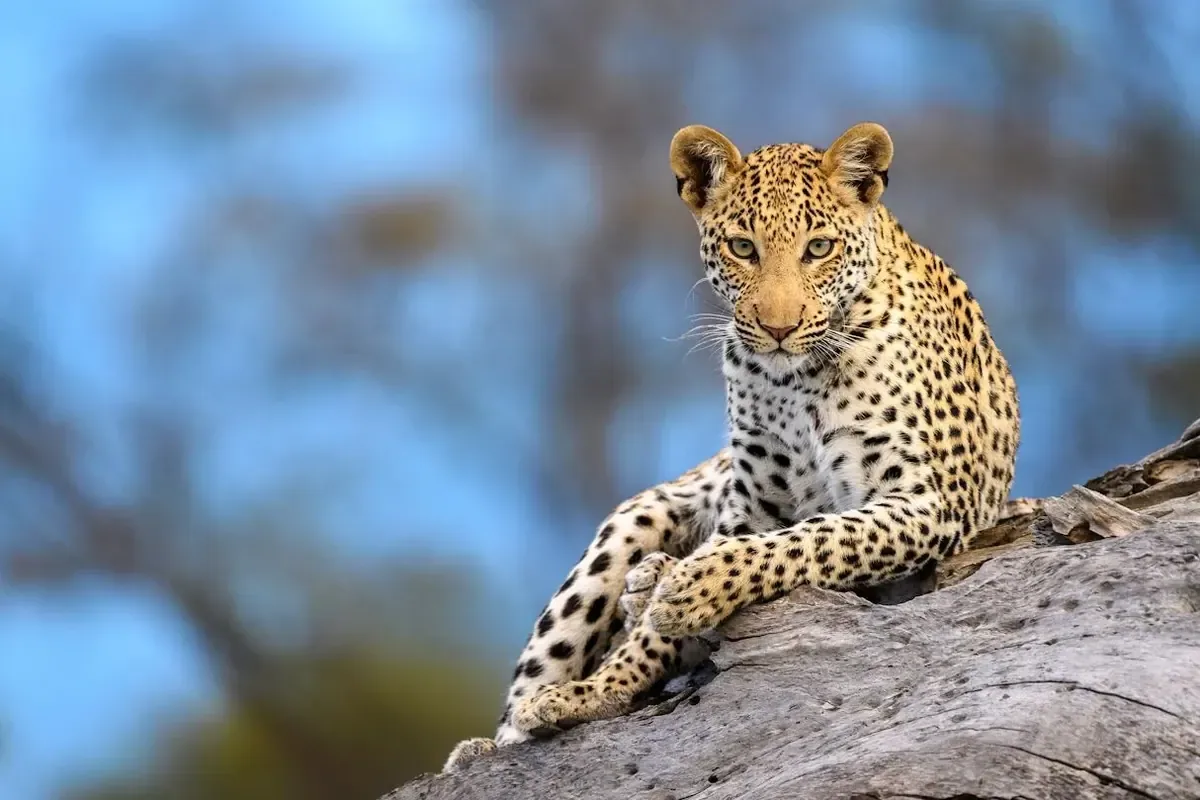
Long private drives across open plains and along the riverbanks.
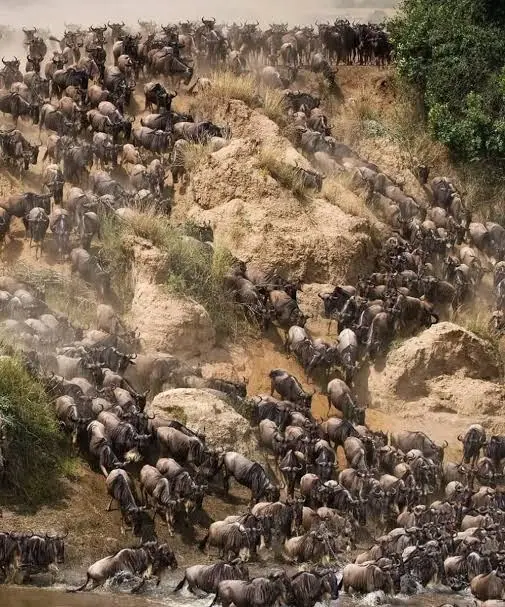
Watch hippo and crocodile from the underwater observation hide.
Elephant, buffalo, lion, leopard and black rhino at the Ngulia sanctuary.
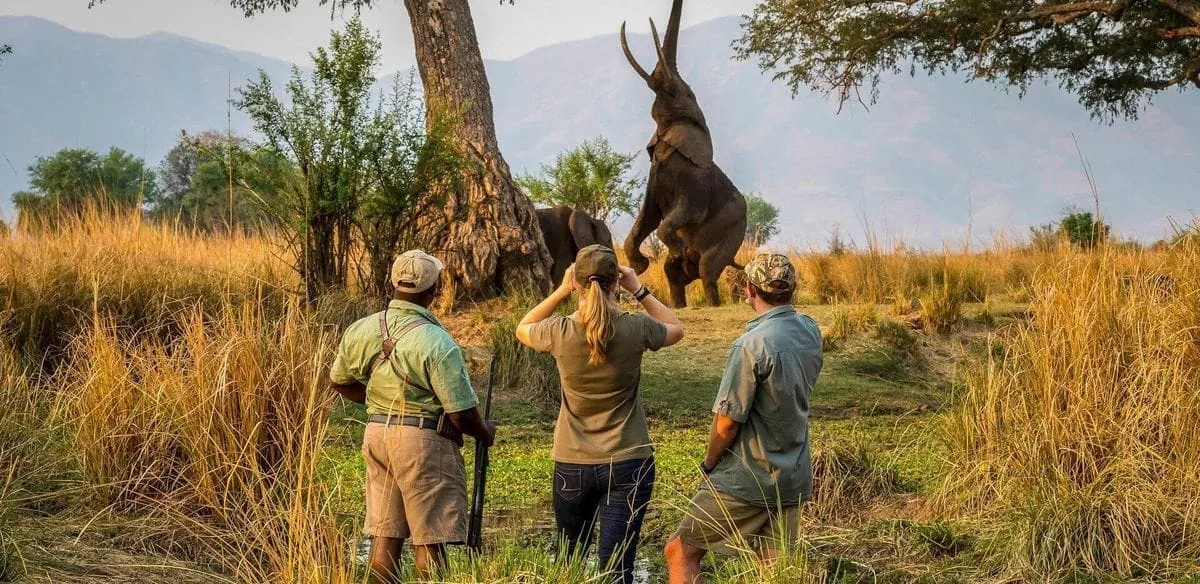
Guided walks on private concessions and around camp waterholes.
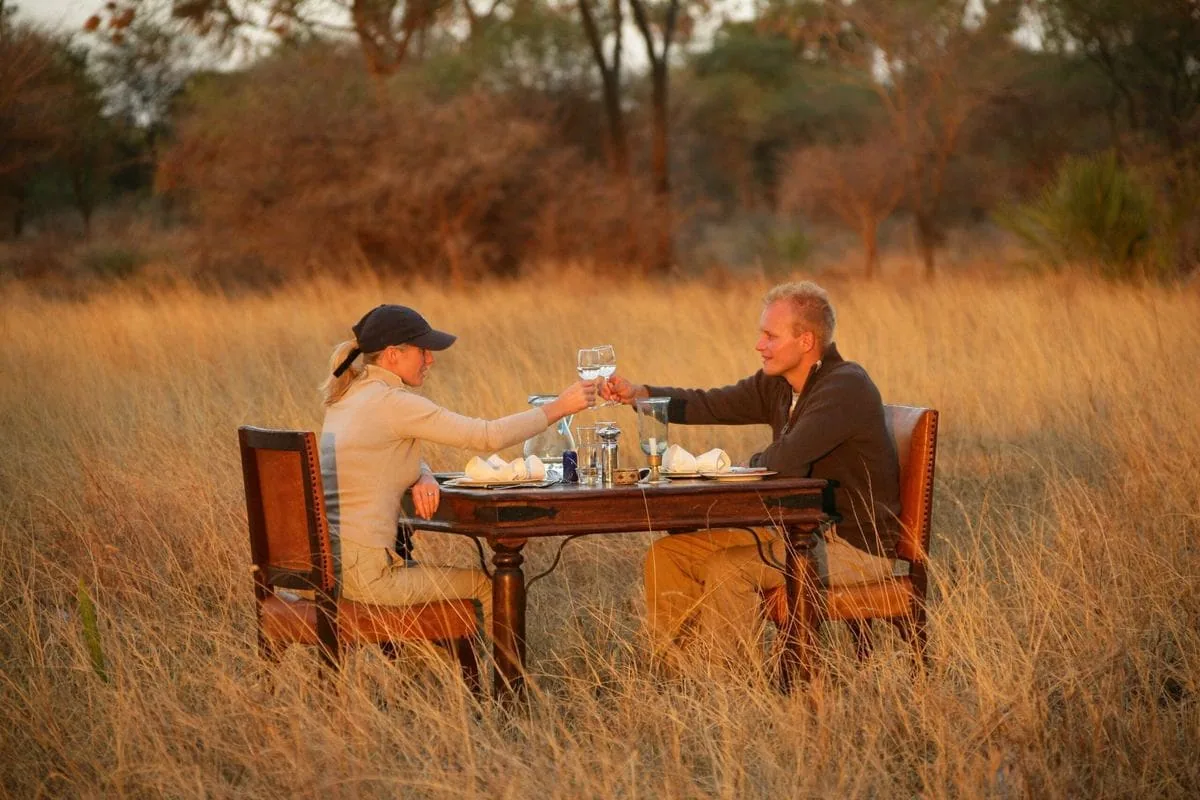
Stand where the old railway's story — and the man-eaters' legend — began.
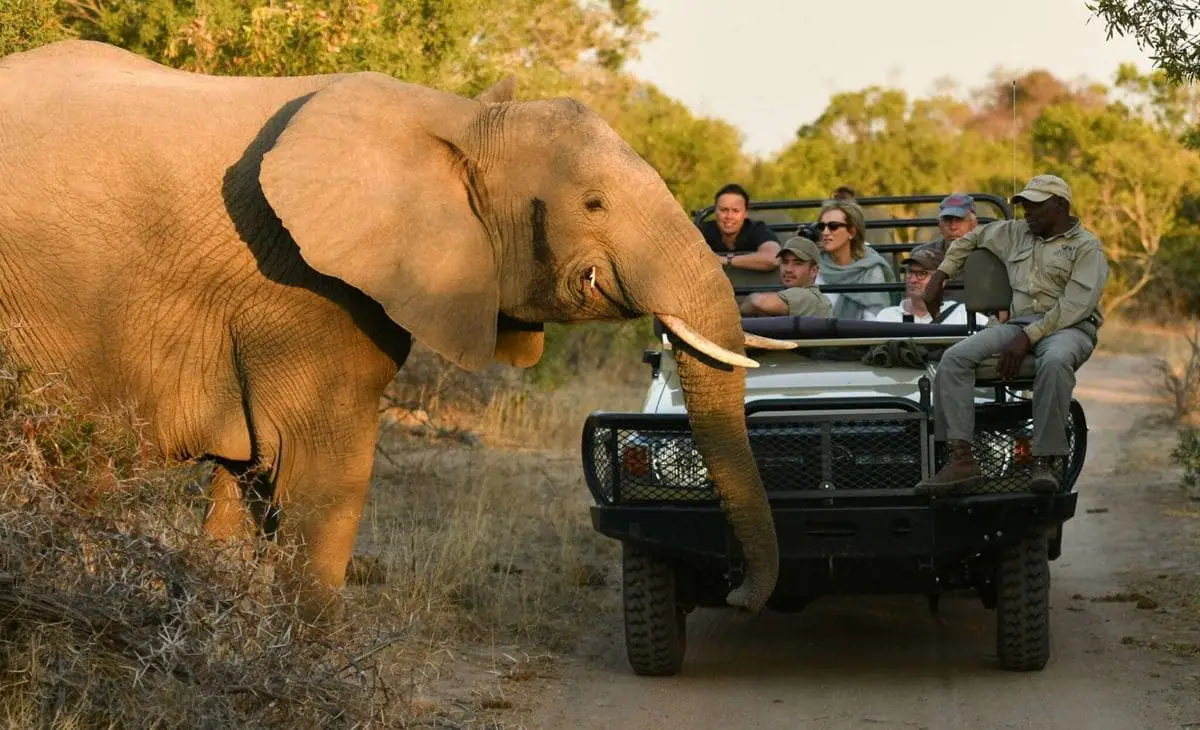
Tsavo camps are built where the water is: lodges overlooking busy waterholes, riverside tents shaded by doum palms and hill camps with views across the plains. Many are waterhole-famous in their own right, where elephants drink through lunch and you never need leave the deck. We pick camps for their water and their guides, and match them to whether you want family comfort, photography hides or pure seclusion.
Ask About Camps & Lodges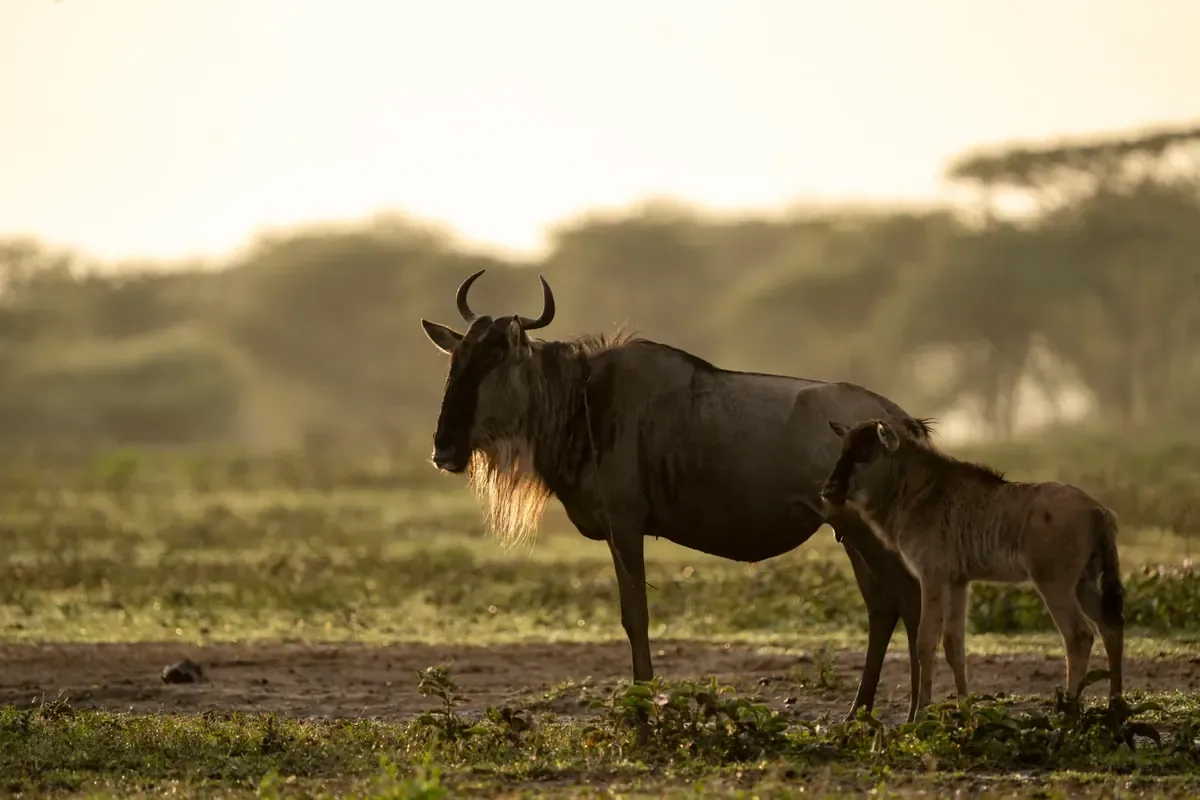
Two elephant strongholds on one natural circuit.

The classic finish: three nights of red dust, then white sand.
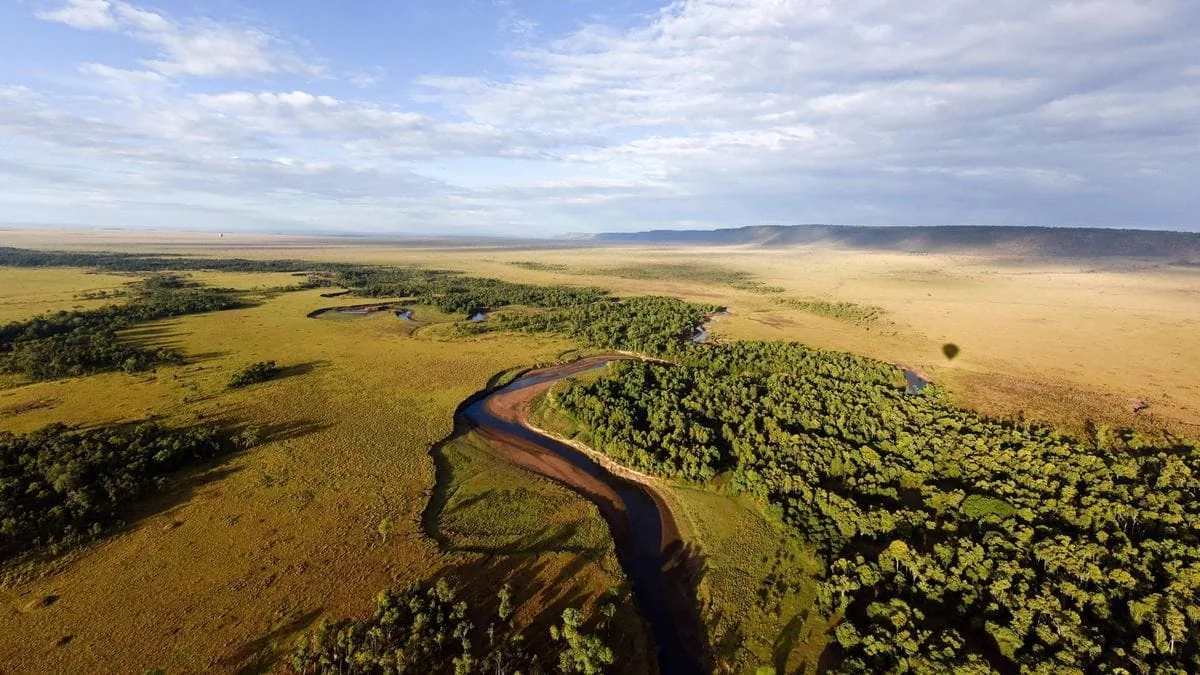
Wilderness elephants and the Migration's big cats in one trip.
Tsavo is hot and dry most of the year and game gathers wherever water persists. The rains change the look of the land more than the quality of the safari.
Dry season, superb elephants and concentrated game.
Hot, dry and quiet; excellent for photography.
Long rains green the park; some rough tracks can close.
Short rains freshen the plains with good value and birdlife.
Tsavo sits on the Nairobi–Mombasa corridor: about five to six hours' drive from Nairobi, or a morning from the coast by road or rail, with airstrips for light-aircraft hops. It slots perfectly between the capital and Diani, Watamu or Mombasa. We plan the direction that suits your flights.
Two nights covers one side of the park comfortably. Three or four lets you see both East and West, whose characters are entirely different, and adds Mzima Springs, the lava flow and unhurried waterhole time. Photographers should favour the longer stay.
Tsavo offers remarkable value: road access from Nairobi or the coast keeps costs down and camps span comfortable to luxurious. Park fees, transport and any extras are itemised plainly in our quotations. Compare inclusions, not headline prices — we make that easy.
Tsavo East is open, dry and famous for elephant densities against red earth. Tsavo West is hillier and greener, with Mzima Springs, the rhino sanctuary and volcanic drama. With three or more nights, seeing both tells the whole story of this wilderness.
Lightweight breathable clothing in neutral colours, a wide-brimmed hat, high-factor sunscreen and lots of water discipline. Mornings are warm, so layering is easy. Protect camera gear from the famous red dust and bring a good telephoto for the elephants.
Malaria prophylaxis is advised, and yellow fever certification may apply depending on your route. We recommend comprehensive travel insurance including medical evacuation. Every camp we use carries a medical kit and a clear evacuation protocol.
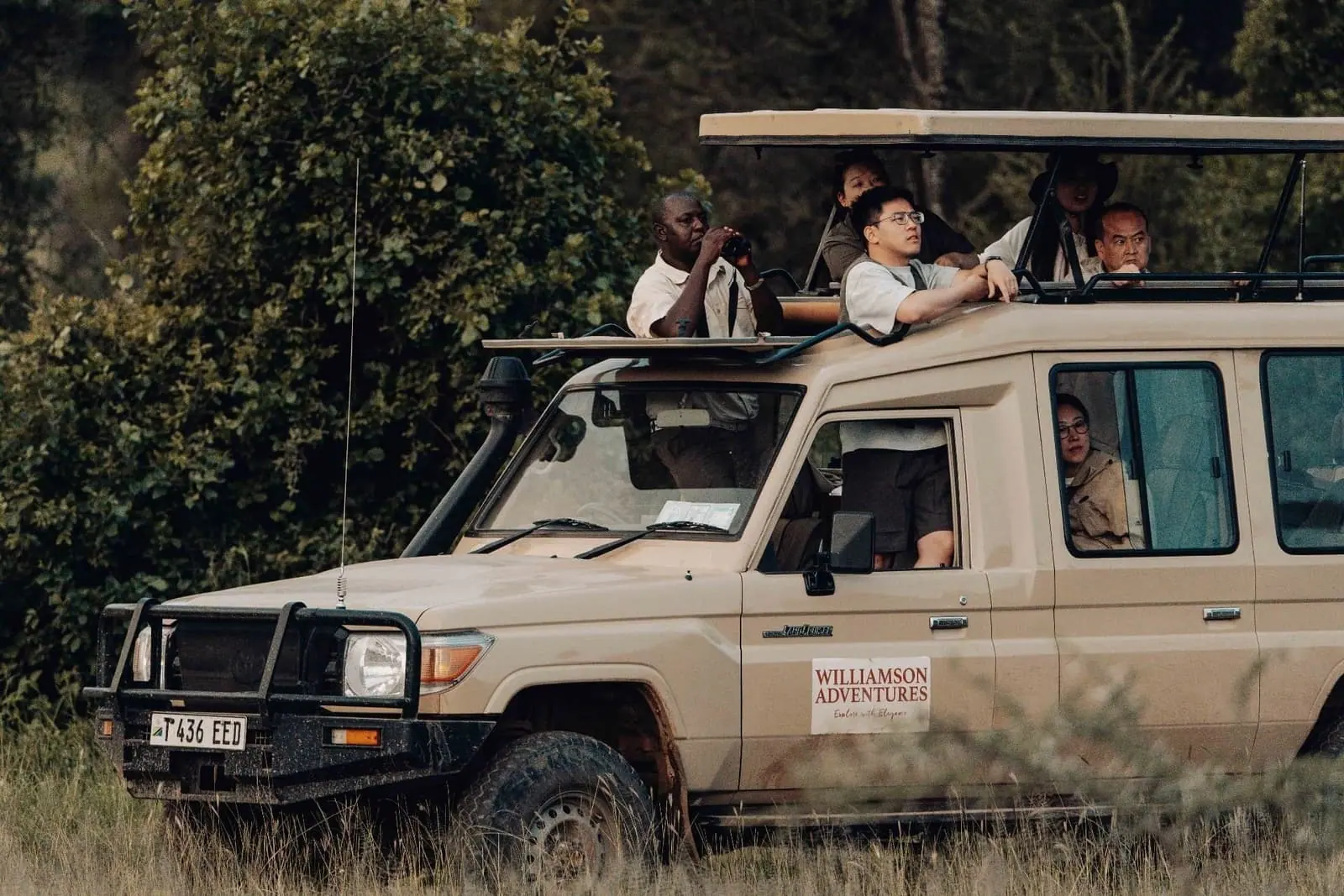
Your dates, your pace, your private safari.
Speak to an expert
Tell us what you have in mind. Our Tanzania team will reply with a tailored itinerary and transparent pricing.