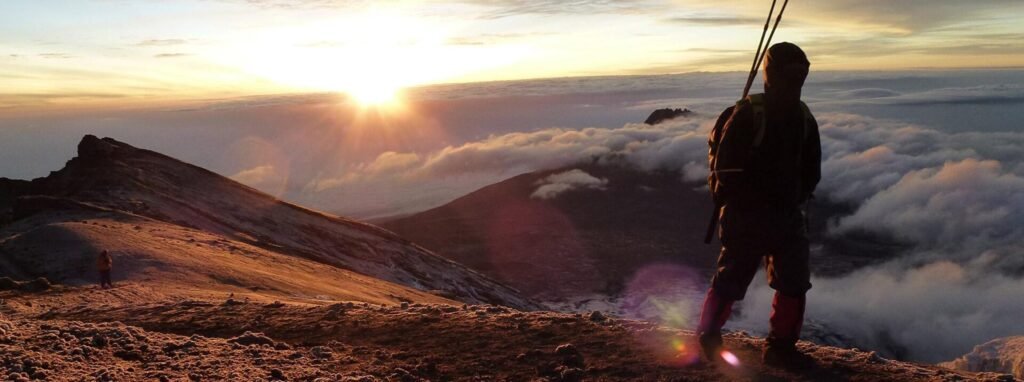
Imagine standing on the “Roof of Africa” at sunrise, surrounded by ancient glaciers, only to find yourself forty-eight hours later watching elephants wade through the golden grass of the Serengeti. This dramatic shift characterizes the mt kilimanjaro climb and safari, a unique journey that transports travelers through nearly every climate zone on Earth in a single week. You aren’t just changing locations; you are moving from a frozen alpine desert to a thriving tropical savannah.
While some travelers consider reversing the itinerary, veteran guides and medical experts almost universally recommend tackling the mountain before heading into the bush. Physiologically, this specific sequence allows your body to transition from the high-exertion challenge of the ascent to the restorative, low-impact nature of an african safari kilimanjaro adventure. After days of navigating steep trails in thin air, the passive observation of a game drive offers the ultimate physical recovery.
Planning this dual expedition requires balancing two very different worlds, yet you do not need to be a professional mountaineer to succeed. Mastering the logistics of a combined mount kilimanjaro and safari transforms a daunting physical test into a perfectly balanced expedition of effort and reward.
Choosing Your Path to Uhuru Peak: Machame vs Lemosho Route Comparison
Picking the right trail is the most critical decision you will make before arriving in Tanzania. While every path leads to Uhuru Peak, they differ wildly in scenery, difficulty, and crowd levels. Most importantly, the route you select dictates how much time your body gets to adapt to the thin air, which is the single biggest factor in reaching the top.
Gaining altitude creates a physiological gap between the oxygen you need and what is available, similar to a car trying to accelerate on a lean fuel mixture. To close this gap, the best itineraries utilize a technique called “climb high, sleep low.” You hike to a higher elevation during the day to trigger your body’s adaptation mechanisms, then descend to a lower camp to recover overnight. This strategy significantly boosts the success rates of different climbing routes compared to rushing straight up.
Here is a quick breakdown of the three most common paths to help you decide:
- Marangu (The “Coca-Cola” Route): The only path with sleeping huts. It is the shortest option (5-6 days) but has lower success rates due to the rapid ascent profile.
- Machame (The “Whiskey” Route): A steeper, scenic 6-7 day challenge. It is incredibly popular for its panoramic views and excellent “climb high, sleep low” opportunities.
- Lemosho: A longer 7-8 day trek approaching from the west. It generally offers the highest summit success rates and fewer crowds during the first few days.
When comparing the Machame vs Lemosho routes, consider that extra days on the mountain are an investment in your success, not just a longer hike. Whichever path suits your style, the key to conquering this Kilimanjaro hike and safari adventure lies in pacing yourself perfectly. This brings us to the golden rule of the mountain, a philosophy that will govern every step you take.
The ‘Pole Pole’ Philosophy: Preventing Altitude Sickness and Preparing Your Body
Your guides will greet you daily with the gentle Swahili chant “Pole Pole” (pronounced po-lay po-lay), meaning “slowly, slowly.” While walking at a snail’s pace might feel counterintuitive when you are eager to start the adventure, it is actually your primary defense against Acute Mountain Sickness (AMS). As you ascend, the air pressure drops, meaning each breath contains less oxygen than your body is used to at sea level. Rushing forces your system to expend energy it cannot easily replenish, but moving at a pace that feels almost too slow gives your body the necessary time to manufacture more red blood cells to carry oxygen efficiently.
Listening to your body becomes the most critical task on the trail as you gain elevation. Mild symptoms like a dull headache, slight nausea, or difficulty sleeping are common signs that your body is fighting to adapt to the thin air, and communicating these early allows your guides to adjust the pace. Many trekkers supplement their strategy with Acetazolamide, commonly known as Diamox, a prescription medication that helps speed up acclimatization by slightly altering your blood chemistry to stimulate breathing. However, no pill replaces the effectiveness of hydration and gradual ascent in preventing altitude sickness on Kilimanjaro.
Success on the mountain depends less on sprinting ability and more on relentless endurance. Consequently, your physical fitness requirements for Uhuru Peak should focus on low-intensity, long-duration cardio rather than high-impact intervals. A solid three-month plan prioritizes training for high altitude hiking by walking with a weighted backpack for several hours at a time to simulate the strain on your legs and core. Once your body is conditioned for the rigors of the climb, the only remaining puzzle is selecting the right equipment to keep you safe in freezing winds and comfortable in the savannah heat.
What to Pack for Two Worlds: Essential Gear for Alpine Deserts and Dusty Plains
Packing for a Tanzania adventure requires preparing for two contradictory extremes: the freezing gales of the summit and the dusty heat of the savannah. Since carrying two entire wardrobes is impossible, the solution lies in a versatile three-layer system. You need a base layer to manage sweat, insulation for warmth, and a waterproof shell for wind. This strategy allows you to peel off jackets as you descend, instantly adapting for the warmer foothills.
Cotton is your worst enemy on the mountain because it traps moisture, making you dangerously cold when you stop moving. Prioritize moisture-wicking fabrics like merino wool that pull sweat away from your skin to keep you dry. Furthermore, the most critical item in your essential packing list is broken-in footwear. Many summits are derailed by preventable friction blisters, so ensure your hiking boots have covered many miles before they ever touch African soil.
Trading your trekking poles for a safari vehicle requires a shift in wardrobe strategy, specifically concerning color. Dark blues and blacks attract the painful bite of the Tsetse fly, so knowing what to wear on an African safari means sticking to neutral earth tones like khaki or tan. To complete your Mt Kilimanjaro and Safari tour kit, ensure you pack these three non-negotiables: a wide-brimmed hat, strong sunblock, and high-quality binoculars.
With your gear sorted, the next step is choosing the right window of time to ensure the herds are moving and the skies remain dry.
Timing Your Trek: Best Seasons for the Great Migration and Clear Summit Skies
Selecting the optimal dates for your kilimanjaro and safari trip ensures you aren’t hiking in mud or viewing wildlife through a downpour. Tanzania offers two prime windows for adventure: the cooler months of June through October and the warmer dry season of January and February. These periods provide the clear skies necessary for iconic summit photos and thin out the vegetation in the parks, making it significantly easier to spot lions and elephants as they congregate around dwindling water sources.
Great Migration seasonal patterns help you target the right location within the parks. The start of the year features the “calving season” in the southern plains, where thousands of wildebeest are born daily on nutrient-rich grass. Conversely, the mid-year window tracks the herds moving north toward the river crossings. While the “short rains” of November bring brief afternoon showers, they rarely disrupt travel and offer a lush, green backdrop for photography without the high-season crowds.
Most travelers should avoid the “long rains” of April and May, when torrential downpours can render the best time for Serengeti and Ngorongoro trekking routes impassable. The mud becomes deep enough to trap safari vehicles, and heavy cloud cover often obscures the mountain peak entirely. Once you have settled on a season that balances weather comfort with wildlife activity, the final logistical pillar involves ensuring your tour operator supports the local crew making your journey possible.
Ethics on the Mountain: Supporting Fair Wages and Ethical Porter Treatment
Your successful summit depends heavily on the crew carrying camp supplies up the slopes ahead of you. Because budget operators sometimes undercut prices by exploiting this labor, prioritizing ethical porter treatment and fair wages is crucial for a responsible trip. Look for the Kilimanjaro Porters Assistance Project (KPAP) logo, which acts as an independent “fair trade” stamp certifying that a company provides proper salaries, three warm meals a day, and adequate sleeping gear for their staff. Choosing a certified partner ensures your journey supports the local community rather than fueling a race to the bottom.
A breakdown of kilimanjaro park fees and total tour costs reveals a hard truth: since government conservation fees are fixed, significantly lower price tags usually indicate corner-cutting on crew welfare. Beyond the booking price, travelers should budget roughly $250-$300 per hiker for tipping, ensuring the guides and porters are directly rewarded for their incredible physical effort. With a reputable operator secured, you can focus entirely on the adventure ahead, seamlessly combining the exertion of the mountain with the relaxation of a tanzania safari and kilimanjaro climb.
The Ultimate 14-Day Itinerary: Balancing Your Summit Push with a Serengeti Safari
Structuring your journey logically transforms a chaotic trip into a seamless adventure, typically by tackling the physical challenge before enjoying the reward. A Combined 14 day itinerary for summit and bush usually begins with the kilimanjaro trek and safari, utilizing your peak energy levels for the mountain before transitioning to the restorative luxury of game drives. This flow works perfectly within Tanzania’s “Northern Circuit,” where the mountain gates are a short drive from the wildlife parks, allowing you to trade hiking boots for a land cruiser without wasting days on travel.
Sample Two-Week Flow:
- Days 1–8: Arrival in Arusha and the Kilimanjaro climb (Machame or Lemosho route).
- Days 9–11: Safari in Tarangire and Ngorongoro Crater to rest legs while viewing wildlife.
- Days 12–14: Flight to the coast for relaxation or deeper exploration of the Serengeti.
Once the adrenaline of the climb and the dust of the savannah settle, the final phase often involves a distinct change of pace. Many travelers opt for post-climb recovery at Zanzibar beaches, where the warm Indian Ocean soothes sore muscles, offering the ultimate “bush-to-beach” conclusion before you begin turning the dream into a reality.
Turning the Dream into a Reality: Your Tanzania Action Plan
Reaching the “Roof of Africa” begins long before your boots hit the trail. To transform this ambition into a departure date, start by verifying the Tanzania visa requirements for international travelers and visiting a travel doctor for essential vaccinations. The most vital logistical step is selecting a KPAP-certified operator for your kilimanjaro and safari package. This ensures ethical treatment for the crew on your mt kilimanjaro climb and safari, allowing you to focus entirely on the physical preparation ahead.
This journey offers a rare duality: the grit required to conquer altitude and the grace of witnessing the Serengeti’s timeless rhythm. You don’t need to be an Olympian to succeed here, just a traveler willing to take one slow, steady step at a time. Book the flight, lace up your shoes for that first training walk, and prepare for an experience that will redefine your definition of wild.