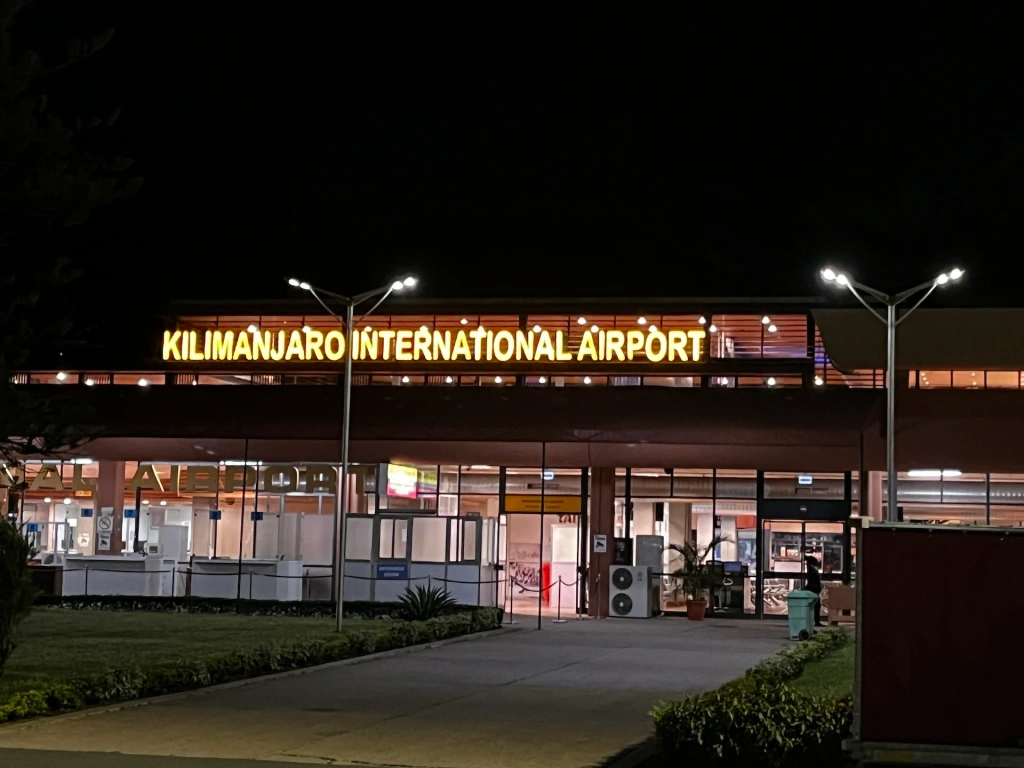
Imagine stepping onto the tarmac and immediately facing the snow-capped peak of Africa’s highest mountain. This distinct arrival experience defines Kilimanjaro International Airport, known globally by its IATA code, JRO. Unlike massive, confusing hubs, this compact terminal serves as the welcoming “front door” to Tanzania’s most famous adventures.
Choosing this landing spot is a strategic move that saves valuable vacation time. In practice, flying directly here bypasses the exhausting 10-hour drive required if arriving in the coastal city of Dar es Salaam. Travelers asking where is Kilimanjaro Airport will find it sitting perfectly between Arusha and Moshi, acting as the primary launchpad for the Northern Safari Circuit and the essential gateway to Mount Kilimanjaro treks.
How to Choose the Best Flights to Kilimanjaro
Finding direct flights to Kilimanjaro from outside Africa usually involves a connection through a major hub like Amsterdam, Doha, or Addis Ababa. While it might be tempting to save money by flying into neighboring Nairobi, the subsequent six-hour shuttle bus transfer across the border can be exhausting before a climb. Instead, priority should be placed on routes that fly to Kilimanjaro Airport (JRO) directly, ensuring you arrive rested and ready for your guide.
For travelers looking to combine a safari or trek with time on the beaches of Zanzibar, an “open-jaw” itinerary offers the most efficiency. This booking strategy allows you to arrive at JRO for the active leg of your trip but depart from a different airport, such as Zanzibar or Dar es Salaam, completely eliminating the need to backtrack to the mainland.
Regional travel relies on smaller yet reliable carriers that connect these popular destinations efficiently. When finalizing your itinerary, look for these major airlines flying into northern Tanzania:
- International Long-Haul: KLM, Qatar Airways, Ethiopian Airlines, Turkish Airlines.
- Regional Connectors: Precision Air, Air Tanzania, Kenya Airways.
Navigating Customs and Your Visa on Arrival Without the Stress
The atmosphere upon entering the arrivals hall is often surprisingly relaxed compared to massive global hubs, but the entry process begins immediately. All passengers disembarking from international arrivals at JRO terminal must first clear the health screening desk before reaching the visa counters. While this usually involves a quick automated temperature scan, you must have your yellow fever vaccination card ready if you are arriving from a country where the disease is endemic. Keeping this yellow booklet accessible in your carry-on prevents frantic digging through your luggage and ensures you move quickly to the head of the line.
Travelers who haven’t secured an e-visa in advance will need to complete the paperwork onsite. Learning how to get a Tanzania visa on arrival is straightforward if you follow the standard three-step workflow used at the counters:
- Form Submission: Fill out the entry declaration card provided in the hall and present it with your passport.
- Payment: Pay the visa fee (typically $50 USD for most nationals, $100 USD for US citizens) using crisp, newer-issue dollar bills, as credit card machines can be intermittent.
- Biometrics: Place your fingers on the digital scanner and look at the camera for a photo to finalize your registration.
Once you have your visa receipt, the final step involves navigating customs and immigration procedures to get your official entry stamp. The baggage claim area is located just a few steps past these desks, featuring a single, easy-to-spot carousel. With your passport stamped and luggage in hand, you can usually clear the entire arrivals zone in under 45 minutes.
Maximizing the Terminal Facilities: From Currency Exchange to Luggage Storage
Stepping out of the secure customs area places you directly into the main public concourse, where practical necessities take priority. For most travelers, the first stop is securing cash. While major hotels accept US dollars, small vendors require Tanzanian Shillings (TSH). You will find ATMs and bureaus offering competitive currency exchange rates for tourists near the exit doors, providing a safer alternative to exchanging money on the street.
Climbers heading next to the Serengeti often wonder what to do with heavy winter trekking gear while on a hot safari. The airport solves this by providing secure luggage storage for mountain climbers. You can leave bulky bags at the storage office within the terminal for a small daily fee, allowing you to travel light for your next adventure without hauling unnecessary equipment.
Travelers facing long waits can upgrade their experience beyond the general seating areas. The JRO airport code hosts the Tanzanite Lounge, which offers executive airport lounge access and amenities regardless of your airline class. Identify these essential services before exiting to meet your driver:
- ATMs (CRDB and Exim Bank)
- SIM Card kiosks (Vodacom or Airtel)
- Left Luggage Office (Arrivals Hall)
- Tanzanite Lounge (Departures)
Securing Reliable Transportation to Arusha and Moshi Hotels
Walking out of the arrivals hall puts you on the curb of the Kilimanjaro Airport Road, the physical midpoint between the region’s two main cities. Whether you are heading west to the safari hub of Arusha or east to the climbing base of Moshi, the drive takes approximately 45 to 60 minutes. While many visitors rely on tour operators for transportation to Arusha and Moshi hotels, independent travelers must choose the right vehicle for their budget and schedule.
Deciding between a private taxi versus shared shuttle transfer depends on your need for speed versus economy. Private cabs provide immediate, door-to-door service, while shared shuttles are budget-friendly but may require waiting for other passengers to clear customs. Use these estimates to plan your arrival:
- Private Taxi: $50 USD per vehicle (Direct and private)
- Shared Shuttle: $10–15 USD per person (Slower and social)
Safety is paramount when booking reliable ground transportation services without a pre-arranged guide. Avoid aggressive drivers soliciting rides near the parking lot entrance; instead, look for drivers wearing official airport badges or uniform shirts. Legitimate operators always have their vehicles parked in the designated taxi zone, ensuring a secure start to your trip.
Your Final Departure Checklist for a Smooth Tanzanian Exit
Departing Tanzania should feel as triumphant as reaching the summit. You can now trade logistical stress for reflection on your journey. When you fly to Kilimanjaro International Airport, you are entering a manageable gateway designed for adventurers, not a sprawling maze. Before you board your flight home, ensure a seamless exit with this final checklist:
- Arrive three full hours prior to international departure.
- Organize your passport and printed e-ticket for inspection.
- Exchange leftover local currency before passing security.
- Pick up authentic coffee at duty free shopping in the departure lounge.
As your plane ascends, take one last look at the mountain. You have successfully navigated the roof of Africa with confidence.