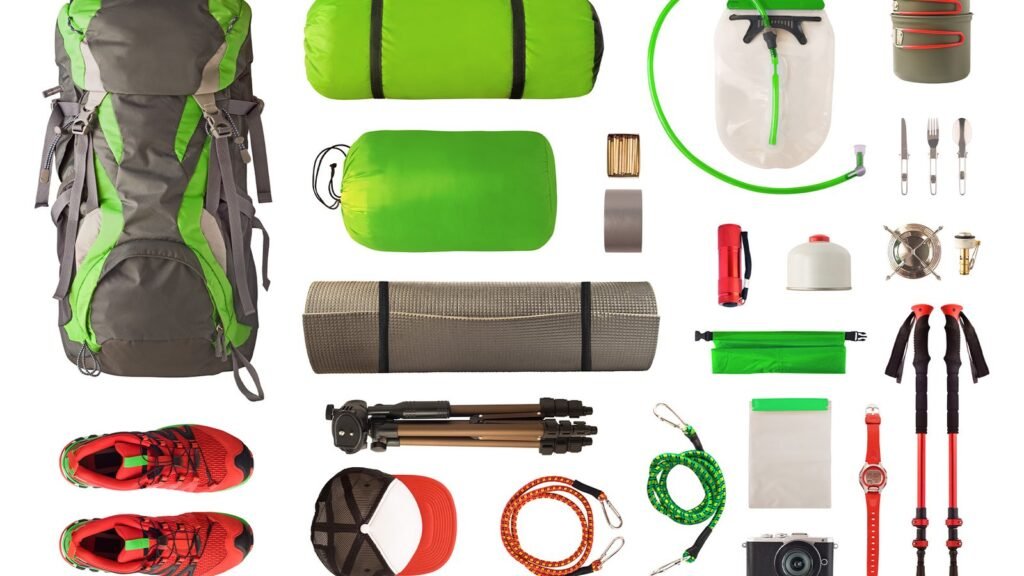
Mount Kilimanjaro is unique, presenting climbers with five distinct ecological zones: the Cultivation Zone, Rainforest Zone, Heath and Moorland Zone, Alpine Desert Zone, and the Arctic Zone. Each of these zones presents a different set of challenges and necessitates specific gear for a safe and successful ascent.
In the Cultivation Zone, climbers are greeted with warm, humid conditions that can be both invigorating and challenging. Lightweight, moisture-wicking clothing is crucial to stay comfortable and dry, preventing overheating and excessive sweating. As you transition into the Rainforest Zone, the lush, dense vegetation brings with it increased humidity and the potential for rain. A high-quality pair of hiking boots with strong ankle support is essential, as the terrain can become muddy and slippery, posing a risk of injury.
As you ascend further, you’ll enter the Heath and Moorland Zone, where temperatures begin to drop significantly, and the environment becomes more rugged. Here, insulated layers become necessary to maintain body warmth, along with windproof jackets that protect against the increasingly harsh winds. As you approach the Alpine Desert Zone, the terrain turns rocky and uneven, necessitating durable trekking poles to aid in stability and balance. The stark, barren landscape of this zone offers little protection from the elements, making thermal wear essential to combat the cold.
Reaching the Arctic Zone, climbers face the most formidable conditions, with temperatures plummeting to below freezing. This zone demands the most robust gear to ensure survival and comfort. A high-quality down jacket becomes indispensable, providing critical insulation against the biting cold. Insulated gloves and thermal hats are also necessary to protect extremities from frostbite. Proper acclimatization plays a pivotal role in this zone, as the risk of altitude sickness increases significantly, making it essential to be well-prepared physically and mentally.
Creating a comprehensive Mount Kilimanjaro gear list is crucial for a successful climb. This ultimate packing list will guide your preparation, ensuring you have everything needed for a safe and enjoyable ascent.
- Base Layers: Moisture-wicking long-sleeve shirts and pants are fundamental for regulating body temperature and keeping sweat at bay.
- Insulating Layers: Fleece jackets and thermal tops are key to retaining body heat as temperatures drop.
- Outer Shell: Waterproof and windproof jackets and pants protect against rain, wind, and cold, forming a crucial barrier against the elements.
- Headwear: A warm hat and balaclava provide essential warmth, while a sun hat and sunglasses with UV protection shield against harsh sun rays at higher altitudes.
- Handwear: Insulated gloves and mittens keep hands warm and functional, preventing frostbite in the extreme cold.
- Footwear: Sturdy hiking boots, gaiters to keep debris out, and thermal socks for warmth and comfort are vital.
- Trekking Poles: Essential for maintaining balance and reducing strain on knees, especially on uneven terrain.
- Daypack: A 20-30 liter pack is ideal for carrying daily essentials, including water, snacks, and extra clothing layers.
- Sleeping Bag: A four-season sleeping bag rated for sub-zero temperatures ensures a warm and restful sleep, critical for recovery.
- Headlamp: With extra batteries, a headlamp is indispensable for early starts and summit night, providing visibility in the dark.
- Hydration System: Camelbak or insulated water bottles are crucial to prevent freezing and ensure constant hydration.
- Personal First Aid Kit: Includes altitude sickness medication, blister treatments, and other medical supplies tailored for high-altitude trekking.
- Snacks: High-energy bars and electrolyte tablets provide quick energy boosts and help maintain stamina throughout the climb.
- Sunscreen and Lip Balm: High SPF products protect against the strong UV rays at higher altitudes, preventing sunburn and chapped lips.
- Camera: To capture the breathtaking landscapes and unforgettable moments of your Kilimanjaro adventure.
Preparation for climbing Kilimanjaro extends beyond packing. Physical fitness, mental readiness, and logistical planning are equally critical components of a successful ascent.
Training for the climb should begin several months in advance, focusing on building cardiovascular fitness, strength, and endurance. Consistent aerobic exercises, such as running or cycling, improve heart and lung capacity, while strength training targets muscles used during climbing. Regular hiking practice, ideally with a loaded backpack, helps acclimate your body to the demands of high-altitude trekking and simulates the conditions you’ll face on the mountain.
Mental fortitude is essential for overcoming the challenges posed by high altitudes and physical exertion. Visualization techniques, such as imagining yourself successfully reaching the summit, can boost confidence and motivation. Meditation and mindfulness practices help reduce stress and enhance focus, while positive affirmations reinforce a resilient mindset, preparing you to tackle any obstacles that arise during the climb.
Selecting a reputable tour operator is a critical step in ensuring a well-organized and safe expedition. Researching the available route options, Marangu, Machame, Lemosho, and Rongai, allows you to choose a path that aligns with your preferences and fitness level. Each route offers different experiences and difficulties, influencing the gear and preparation required. Understanding these factors ensures you’re equipped for the specific challenges of your chosen route.
Acclimatization is a critical aspect of climbing Mount Kilimanjaro, as the mountain’s rapid ascent can lead to altitude sickness if not managed properly. Proper acclimatization strategies are essential to minimize health risks and enhance your chances of reaching the summit.
Altitude sickness symptoms include headaches, nausea, dizziness, and fatigue, which can escalate if not addressed promptly. Recognizing these signs early allows for timely intervention, such as slowing your ascent or descending to a lower altitude. Immediate descent is crucial if symptoms worsen, underscoring the importance of a well-equipped first aid kit and knowledgeable guides who can provide medical assistance and support.
Embarking on a Kilimanjaro climb is an exhilarating adventure that demands careful planning and the right equipment. By adhering to this Kilimanjaro gear checklist and preparing both physically and mentally, you can tackle the mountain’s challenges with confidence and safety. Remember, the key to success lies in preparation, so take the time to equip yourself adequately for an unforgettable experience on Africa’s highest peak. With the right mindset, gear, and preparation, your Kilimanjaro journey can be a life-changing achievement, filled with breathtaking views and personal triumphs.