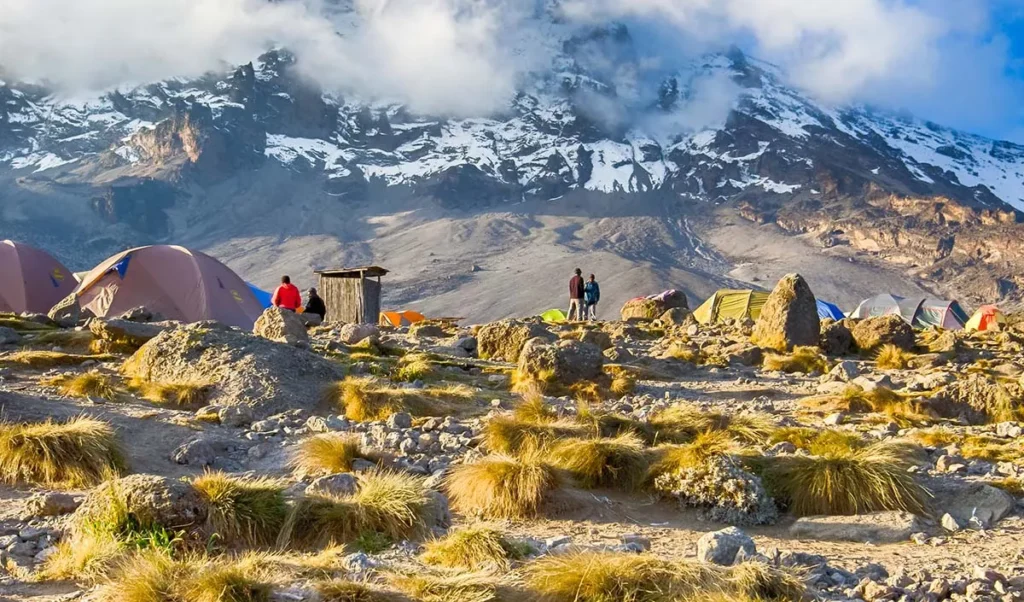
Mount Kilimanjaro, an iconic symbol of Africa’s majestic landscapes, offers several routes to its summit. Among these, the Kilimanjaro Northern Circuit Route stands out for its unparalleled scenic vistas and extended acclimatization period, increasing the chances of a successful ascent. In this article, we delve into the intricacies of the Northern Circuit Route, providing insights into why it’s considered one of the most rewarding paths to the Roof of Africa.
The Kilimanjaro Northern Circuit Route is the newest and longest path to the summit, offering a unique perspective of the mountain. Spanning approximately 90 kilometers, this route encompasses a full circumnavigation of Mount Kilimanjaro, providing climbers with a diverse array of views from various vantage points.
Historical Context and Route Development
The Northern Circuit Route is a relatively recent addition to the options available for climbing Kilimanjaro. Established to offer climbers a more secluded and comprehensive experience, the route was developed with the intention of minimizing environmental impact while maximizing the climber’s exposure to the mountain’s diverse ecosystems. Over the years, it has grown in popularity among those seeking a less crowded ascent.
Route Features and Landmarks
This circuitous route encircles the mountain, presenting hikers with a plethora of unique landmarks. From the Shira Plateau to the remote northern slopes, each segment of the route offers distinct features. Notable landmarks include the Lava Tower, a striking geological feature, and the breathtaking views of the Amboseli National Park from the mountain’s northern face.
Wildlife and Flora Diversity
The Northern Circuit Route offers an unparalleled opportunity to witness Kilimanjaro’s rich biodiversity. The rainforest is alive with the calls of exotic birds and the playful antics of blue monkeys. Higher up, the moorlands host unusual plants like the giant groundsels, a testament to the mountain’s ecological richness. This diversity is a highlight for nature enthusiasts and photographers alike.
Advantages of Choosing the Northern Circuit
The Northern Circuit Route is renowned for several advantages that make it a preferred choice among seasoned climbers.
Enhanced Acclimatization Period
One of the primary benefits of the Northern Circuit Route is its extended acclimatization period. The route typically spans nine days, allowing climbers to adapt gradually to the altitude. This slow ascent significantly reduces the risk of altitude sickness, a common challenge on shorter routes. By spending more time on the mountain, climbers enhance their acclimatization, thereby increasing their likelihood of reaching the summit successfully.
The extended duration allows for a more leisurely pace, giving climbers time to appreciate their surroundings and bond with fellow trekkers. This aspect of the journey fosters a sense of camaraderie and shared purpose, which can be immensely motivating.
Less Crowded Path
Another compelling reason to choose the Northern Circuit Route is its relative seclusion. Compared to the more popular routes like the Machame or Marangu, the Northern Circuit is less frequented. This means that climbers can enjoy the tranquility of the mountain without the hustle and bustle of crowded trails. The solitude offered by this route allows for a more introspective journey, providing ample opportunity for reflection amidst the awe-inspiring beauty of Kilimanjaro.
The uncrowded nature of the trail also means less competition for resources such as campsites and water sources, enhancing the overall experience. This serenity allows climbers to connect more deeply with nature, heightening the sense of adventure and discovery.
Spectacular Panoramic Views
The Northern Circuit Route offers some of the most breathtaking panoramic views of Mount Kilimanjaro and its surrounding landscapes. As climbers traverse the northern slopes, they are treated to stunning vistas of the Kenyan plains stretching out to the horizon. The route also provides unique perspectives of the mountain’s distinct features, such as the Kibo cone and the Mawenzi peak, making it a photographer’s dream.
These views are particularly captivating at sunrise and sunset, when the play of light and shadow across the landscape creates a magical atmosphere. The opportunity to witness the mountain’s grandeur from these vantage points is a highlight of the journey.
Preparing for the Northern Circuit Route
Embarking on the Kilimanjaro Northern Circuit Route requires careful preparation and planning. Here are some essential considerations to ensure a successful climb.
Physical Conditioning
Given the demanding nature of the Northern Circuit Route, adequate physical conditioning is crucial. Prospective climbers should engage in a rigorous training regimen that includes cardiovascular exercises, strength training, and endurance-building activities. Preparing the body for the rigors of the climb will enhance the overall experience and increase the chances of reaching the summit.
Training should begin several months in advance, with a focus on building stamina and improving cardiovascular health. Activities like hiking, running, and cycling are excellent for developing the endurance needed for the climb. Strength training, particularly for the legs and core, is also essential for navigating the challenging terrains of Kilimanjaro.
Essential Gear and Equipment
Equipping oneself with the right gear is vital for a successful ascent. Climbers should invest in high-quality trekking boots, layered clothing to accommodate varying temperatures, and a durable backpack for carrying essentials. Additionally, gear such as trekking poles, a headlamp, and a reliable sleeping bag are indispensable for navigating the diverse terrains and chilly nights on the mountain.
Proper gear selection can make a significant difference in comfort and safety during the climb. Layered clothing allows climbers to adjust to fluctuating temperatures, while sturdy boots provide necessary support and traction. Investing in quality equipment ensures that climbers are well-prepared for the unpredictable conditions on the mountain.
Guided Expeditions
While it is possible to climb Kilimanjaro independently, joining a guided expedition is highly recommended, especially for those unfamiliar with the mountain. Reputable tour operators provide experienced guides, porters, and cooks, ensuring a safe and well-organized ascent. These professionals offer invaluable insights into the mountain’s history, ecology, and cultural significance, enriching the climbing experience.
Guided expeditions also handle logistical details, such as securing permits and arranging transportation, allowing climbers to focus solely on the climb. The support of a knowledgeable guide can be crucial in navigating the mountain’s challenges and ensuring a successful and enjoyable ascent.
Concluding Thoughts
The Kilimanjaro Northern Circuit Route is not merely a path to the summit; it is a journey through a tapestry of ecosystems, a testament to the mountain’s grandeur. For those seeking an immersive and less-trodden adventure, the Northern Circuit offers an unparalleled opportunity to experience the majesty of Kilimanjaro in all its splendor.
Choosing this route requires thoughtful preparation, a spirit of adventure, and a respect for the mountain’s formidable challenges. In return, climbers are rewarded with the serenity of solitude, the triumph of reaching Africa’s highest point, and memories that will last a lifetime. Whether you are a seasoned mountaineer or an intrepid traveler, the Northern Circuit Route promises an unforgettable expedition to the Roof of Africa.
The experience is not just about reaching the summit but embracing the journey itself. Each step taken on the Northern Circuit Route is a step deeper into understanding the diverse beauty and challenges of Kilimanjaro. As climbers reflect on their journey, they carry with them not only the achievement of having reached the peak but also the indelible memories of the landscapes, wildlife, and personal growth experienced along the way.