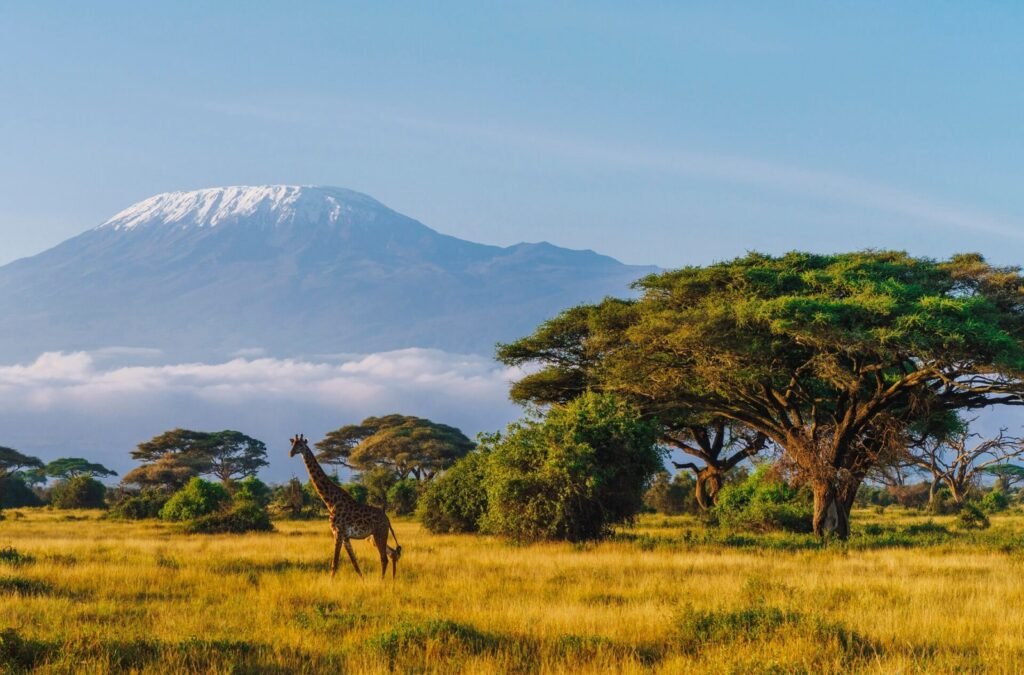
October sits on a knife’s edge on Kilimanjaro. It is the final month of the dry season, a time when summer crowds vanish but the weather generally holds. For the savvy traveler, climbing Kilimanjaro in October is often considered the calendar’s best-kept secret. While August sees thousands of boots on the trails, park trends indicate a sharp drop in visitors by mid-month, offering rare solitude on the “Roof of Africa.”
This period marks the “shoulder season,” a brief window before the “short rains” lighter, predictable showers—arrive in November. Navigating this transition means balancing the allure of a quiet route against the likelihood of afternoon drizzle. Experienced guides suggest this is the best time to climb Kili for adventurers prioritizing privacy over guaranteed dry skies, making the Kilimanjaro trekking season in October a highly strategic choice.
Navigating the ‘Short Rains’ Transition: What to Expect from Kilimanjaro’s October Climate
Climbing Kili during this transition month requires syncing your schedule with a specific daily rhythm. Kilimanjaro weather in late October typically follows a “clear morning, cloudy afternoon” cycle. Moisture from the forest floor rises as the day heats up, condensing into a cloud layer that often brings mist or light showers by 2:00 PM. This isn’t the soaking downpour of the wet season, but rather a predictable pattern where the mountain “breathes” out clouds. For you, this means hitting the trail early is the secret to staying dry and enjoying the best visibility.
Most people prepare for the freezing summit, but few anticipate the sheer variety of environments passed through in a single week. You are essentially walking from the Equator to the North Pole in just a few days, experiencing a temperature swing of over 35 degrees. As you ascend, you will pass through five distinct ecological layers, each requiring a different approach to layering:
- Cultivation Zone: Warm, humid, and populated.
- Rainforest: Damp and lush; muddy trails are common here.
- Heath/Moorland: Drier with scrubby vegetation and high UV exposure.
- Alpine Desert: Arid and rocky with extreme temperature fluctuations.
- Arctic Summit: Glacial ice and permanent snow, where the Mount Kilimanjaro temperature at summit can drop well below freezing.
One unique reward for enduring this variance is the phenomenon of thermal inversion. As you climb above the tree line, you may break through the overcast layer into brilliant, warm sunshine while the world below remains hidden under a ceiling of gray. This “sea of clouds” effect creates spectacular photo opportunities and is a major reason why savvy travelers argue the shoulder season is the best time to visit Mt Kilimanjaro. However, clear skies above don’t matter if you pick a trail that gets hammered by the incoming moisture below.
Which Route Wins in October? Comparing Machame, Lemosho, and the Northern Circuit
Selecting the right path is just as critical as packing the right jacket, especially when the “short rains” threaten the southern slopes. While the popular Machame and Lemosho routes approach from the west and south—areas more exposed to incoming moisture—the Northern Circuit offers a distinct tactical advantage during the transition season. By traversing the mountain’s northern slopes, you enter a natural “rain shadow,” a protected zone where the peak itself blocks most wet weather. This makes the Northern Circuit not only the driest option but also the quietest, perfect for those seeking solitude during the best season to climb Kilimanjaro for privacy.
Beyond staying dry, your choice dictates your physical success. The Machame vs Lemosho route October debate often comes down to a trade-off between time and acclimatization. Shorter routes might save money, but adding days drastically improves the Kilimanjaro success rate by route by allowing your body to adjust.
- Machame (6-7 days): High traffic, steeper ascent profile, roughly 85% success rate.
- Lemosho (7-8 days): Moderate traffic, smoother acclimatization, 90%+ success rate.
- Northern Circuit (9 days): Lowest traffic, maximum adjustment time, nearly 98% success rate.
Regardless of the path chosen, every trekker eventually faces the same invisible barrier near the summit: thinning air.
The ‘Engine Analogy’ for Altitude: How to Avoid Sickness When Oxygen is Low
Think of your body at high altitude like a car engine running on a lean fuel mix. Above 12,000 feet, oxygen pressure drops significantly, and if you try to rev the engine by hiking too fast, it will simply stall. This is why guides constantly chant “Pole Pole” (slowly, slowly). This philosophy prioritizes rhythm over speed, giving your body the necessary time to manufacture extra red blood cells. Even if you select the best month to hike Kilimanjaro for perfect weather, the physics of thin air remain an unchangeable challenge.
Preventing altitude sickness on high altitude treks requires distinguishing between the “good pain” of a workout and dangerous distress signals. For the ultimate safety buffer, savvy planners book a Mount Meru acclimatization hike before their main trip; this neighboring peak primes your lungs before you ever step foot on Kilimanjaro. Whether you pre-climb or not, you must learn to identify these specific red flags that differ from standard physical fatigue:
- Persistent Headache: A throb that doesn’t go away after drinking water and resting (unlike simple dehydration).
- Loss of Appetite: Nausea or a complete refusal of food (unlike normal post-hike hunger).
- Insomnia: The inability to sleep despite being physically exhausted.
Once you understand how to keep your internal engine running, the next step is protecting your external shell from the elements.
Packing for Two Seasons in One Week: Essential Gear for Late October Treks
While October is often cited as the best time of year to hike Kilimanjaro for avoiding crowds, the weather demands a wardrobe capable of handling two seasons in a single week. You are not just packing for the cold; you are building a modular system. Your strategy should rely on three distinct layers: a “wicking” base layer against your skin to pull sweat away, an insulating middle layer like fleece to trap body heat, and a waterproof outer shell to deflect the potential “short rains.” This system allows you to peel off layers during the humid rainforest hike on day one and pile them back on when equipping for summit night freezing temperatures.
Protecting your equipment is just as vital as protecting your body, especially given the rapid temperature drops that drain electronics. Cold weather saps lithium batteries instantly, so seasoned trekkers keep their phones and camera batteries inside their sleeping bags or inner jacket pockets to maintain a charge. Furthermore, a standard Tanzania trekking packing list for shoulder season must prioritize waterproofing from the inside out to handle sudden afternoon showers.
5 Non-negotiable Gear Items for October:
- Waterproof Gaiters: These cover the gap between your boots and trousers, keeping mud and rain out of your socks.
- 4-Season Sleeping Bag: Rated for at least 0°F (-18°C) to handle freezing nights at high camps.
- Adjustable Trekking Poles: Essential for saving your knees on the steep descent and providing stability on slippery mud.
- Internal Dry Bags: Plastic liners to keep clothes dry inside your porter’s duffel bag.
- Wide-Brimmed Hat: The sun at high altitude is fierce, even when the air feels cool.
Your October Summit Strategy: Final Checklist for a Successful Kilimanjaro Climb
Standing on the Roof of Africa begins long before you board the plane. Start your six-month physical training plan for trekking Kilimanjaro today to build the necessary leg strength for the steep descent. Beyond fitness, finalize your budget by accounting for the true cost of multi-day Kilimanjaro expeditions, specifically setting aside cash for mandatory porter tips that are often overlooked.
When you find yourself hiking by headlamp at 2:00 AM on summit night, fighting the freeze, remember that the silence of October is your ally. Choosing this window balances the risk of short rains against the reward of solitude, arguably making it the best time to summit Kilimanjaro for those seeking a personal connection with the mountain. You are no longer just dreaming of the peak; you are ready to earn it.