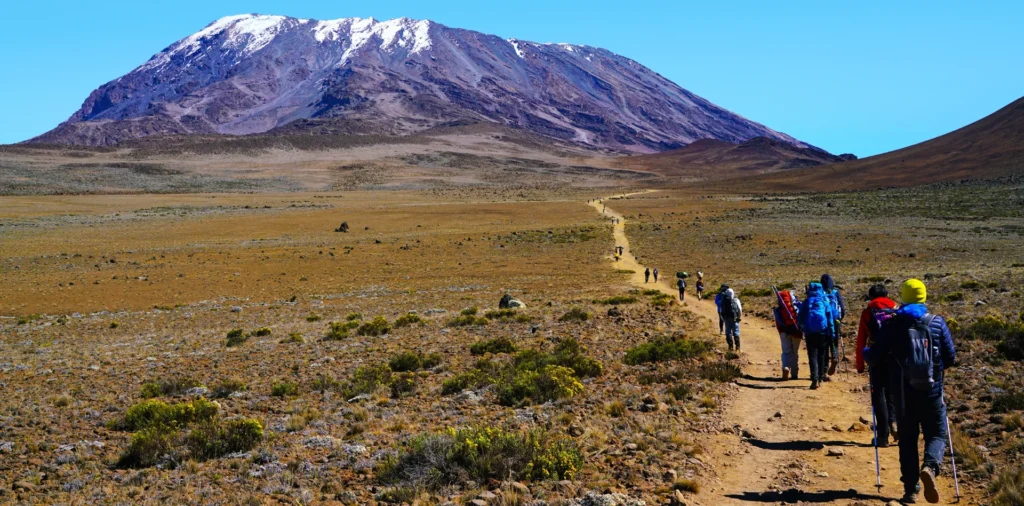
The Machame Route, often referred to as the “Whiskey Route,” is renowned for its stunning vistas and challenging terrain. This guide provides an in-depth look into the Machame Route, offering insights into its pathways, itinerary, and what makes it a popular choice among adventurers aiming to conquer Mount Kilimanjaro.
The Machame Route is a favorite for those seeking an immersive experience on Mount Kilimanjaro. Unlike the Marangu Route, which is known as the “Coca-Cola Route” for its relative ease and comfort, the Machame Route demands physical endurance and offers a more rugged climbing experience.
The Machame Route has a rich history, having been established as a climbing path long before it gained its current popularity. Originally used by local hunters and traders, the route has evolved into a key trail for climbers seeking an adventurous ascent. Its transformation from a local pathway to a renowned trekking route highlights the growing interest in Kilimanjaro as a global mountaineering destination.
The route was named after the Machame village, which serves as a gateway to the trail. This village is an integral part of the cultural experience, offering climbers a glimpse into the lives of the Chaga people who inhabit the region. Understanding the history of this route provides climbers with a deeper appreciation of the journey they are about to undertake.
The Machame Route presents climbers with some of the most spectacular landscapes on Kilimanjaro. As you ascend, you’ll traverse lush rainforests, expansive moorlands, and stark alpine deserts, all culminating in the breathtaking summit. Each ecosystem offers unique flora and fauna, making the journey a dynamic and educational experience. The route’s scenic beauty is not just a visual treat but also a testament to Kilimanjaro’s diverse habitats.
Beyond the flora and fauna, the route provides panoramic views of the surrounding plains and valleys. These vistas are particularly captivating at sunrise and sunset, when the play of light enhances the beauty of the landscape. For many climbers, these moments of natural beauty are among the most memorable aspects of the trek.
This route is celebrated for its varied topography, which not only enhances the visual experience but also aids in acclimatization. The “climb high, sleep low” approach inherent to the Machame Route increases the chance of a successful summit. This method allows climbers to adjust to the altitude gradually, reducing the risk of altitude sickness and improving their chances of reaching the summit.
The diverse terrain also presents a series of physical challenges, from navigating dense forests to scrambling over rocky outcrops. Each section of the route requires different skills and techniques, ensuring that climbers remain engaged and mentally stimulated throughout the trek. The variety in terrain is one of the reasons the Machame Route is considered both challenging and rewarding.
While the Machame Route is more challenging than others, its difficulty is moderate, making it accessible to those with reasonable fitness levels and proper preparation. Climbers can expect a series of ascents and descents, with some sections requiring scrambling and careful footwork. The moderate difficulty level makes the route a popular choice for both novice climbers and those with some trekking experience.
The route’s design allows for gradual acclimatization, which is critical for climbers unfamiliar with high-altitude trekking. Guides often emphasize the importance of a steady pace and regular breaks to ensure climbers maintain their energy levels. With the right preparation and mindset, the Machame Route is an achievable challenge for many adventurers.
The Machame Route typically spans six to seven days. The following itinerary outlines the seven-day journey, providing a comprehensive overview for prospective climbers.
- Elevation: 1,640 m (5,380 ft) to 2,850 m (9,350 ft)
- Distance: 11 km (7 miles)
- Duration: 5-7 hours
The adventure begins at the Machame Gate, where climbers register before embarking on the trek through dense rainforest. This initial stage is characterized by lush vegetation, and the trail can be muddy and slippery, necessitating sturdy footwear. The rainforest is alive with the sounds of wildlife, offering climbers a vibrant start to their journey.
As you progress, the dense canopy provides shade and a sense of enclosure, creating an intimate trekking experience. The gradual ascent allows climbers to acclimatize slowly while enjoying the verdant surroundings. The day’s hike ends at Machame Camp, where climbers can relax and take in the serene beauty of the forest.
- Elevation: 2,850 m (9,350 ft) to 3,840 m (12,600 ft)
- Distance: 5 km (3 miles)
- Duration: 4-6 hours
Emerging from the forest, the trail ascends to a ridge and onto the Shira Plateau. This segment offers panoramic views of Kibo Peak and the surrounding landscapes, with climbers camping on the expansive moorland. The change in scenery is dramatic, with the lush forest giving way to open moorland and vast skies.
The Shira Plateau is a highlight of the Machame Route, known for its sweeping views and unique geological formations. Climbers can explore the plateau’s rock formations and enjoy the feeling of openness after the dense forest. The day’s trek, though shorter, requires careful navigation over rocky terrain, ensuring that climbers remain focused and engaged.
- Elevation: 3,840 m (12,600 ft) to 4,630 m (15,190 ft) to 3,976 m (13,044 ft)
- Distance: 10 km (6 miles)
- Duration: 6-8 hours
This day is critical for acclimatization as climbers ascend to the Lava Tower before descending to Barranco Camp. The climb offers striking views of the Western Breach and the Barranco Wall, enhancing the day’s adventure. The journey to Lava Tower is a significant altitude gain, testing climbers’ endurance and acclimatization strategies.
Reaching the Lava Tower feels like entering a different world, with its stark, rocky landscape standing in contrast to the green moorlands below. The descent to Barranco Camp provides a much-needed respite, allowing climbers to adjust to the altitude while enjoying the dramatic scenery. The Barranco Valley, with its unique vegetation and towering cliffs, is a fitting end to a challenging day.
- Elevation: 3,976 m (13,044 ft) to 4,035 m (13,106 ft)
- Distance: 5 km (3 miles)
- Duration: 4-5 hours
The day begins with the challenging Barranco Wall, a steep climb that requires some scrambling. Once over the wall, the path meanders through a series of hills and valleys, eventually leading to Karanga Camp. The Barranco Wall is both a physical and mental challenge, testing climbers’ resolve and climbing skills.
Climbing the Barranco Wall offers spectacular views back over the valley, rewarding climbers for their efforts. The path to Karanga Camp is less intense, allowing for a more relaxed pace and the opportunity to enjoy the surrounding landscapes. Karanga Camp serves as a vital acclimatization stop, preparing climbers for the higher altitudes to come.
- Elevation: 4,035 m (13,106 ft) to 4,640 m (15,223 ft)
- Distance: 4 km (2 miles)
- Duration: 4-5 hours
This relatively short day prepares climbers for the summit push. The trail ascends steadily, providing ample time for rest and acclimatization at Barafu Camp. Climbers are advised to rest well as the summit attempt begins at midnight. The ascent to Barafu is a slow, steady climb, with the barren landscape serving as a reminder of the challenges ahead.
Barafu Camp, perched on a rocky ridge, offers stunning views of the surrounding peaks and valleys. The camp’s exposed location can be windy and cold, underscoring the need for appropriate gear and clothing. As climbers settle in for the evening, the anticipation of the summit push builds, creating a sense of camaraderie and shared purpose among the group.
- Elevation: 4,640 m (15,223 ft) to 5,895 m (19,341 ft) to 3,100 m (10,170 ft)
- Distance: 13 km (8 miles)
- Duration: 12-15 hours
The summit day commences with a midnight ascent, navigating through scree and snow to Stella Point and finally Uhuru Peak—the highest point in Africa. After basking in the achievement, climbers descend to Mweka Camp for much-needed rest. The midnight start allows climbers to reach the summit by sunrise, a breathtaking experience that rewards their efforts.
The climb to Uhuru Peak is both physically and mentally demanding, testing climbers’ endurance and determination. The sense of achievement upon reaching the summit is unparalleled, offering a moment of reflection and celebration. The descent to Mweka Camp is long and tiring, but the promise of rest and the satisfaction of success keep spirits high.
- Elevation: 3,100 m (10,170 ft) to 1,640 m (5,380 ft)
- Distance: 10 km (6 miles)
- Duration: 3-4 hours
The final descent through lush montane forest leads to Mweka Gate. Here, climbers receive certificates acknowledging their achievement before transferring back to Moshi. The descent is a chance to reflect on the journey, with the forest providing a soothing backdrop to the final hours of the trek.
Reaching Mweka Gate marks the end of the adventure, with climbers celebrating their achievements and sharing memories of the climb. The sense of camaraderie and accomplishment is palpable, creating lasting bonds among climbers. The return to Moshi is a time for relaxation and reflection, with climbers often planning their next adventure on the journey home.
Climbing Mount Kilimanjaro via the Machame Route demands physical endurance and mental resilience. Prospective climbers should engage in cardiovascular training, strength-building exercises, and hiking practice to ensure readiness for the trek’s challenges. A well-rounded fitness regimen not only prepares the body but also boosts confidence, an essential component of a successful climb.
Mental preparation is equally important, as climbers will face moments of fatigue and self-doubt. Developing a positive mindset and stress management techniques, such as visualization and deep breathing, can be invaluable tools during the climb. Climbers often find that mental resilience is the key to overcoming the trek’s toughest moments.
The route’s design supports acclimatization, but individual climbers must also manage their pace and hydration. Climbing slowly and drinking ample fluids are crucial for minimizing the risk of altitude sickness. Guides emphasize the importance of “pole pole” (slowly, slowly in Swahili) as a mantra for success, allowing the body to adjust gradually to the altitude.
Regular monitoring of symptoms and being aware of the body’s signals are critical components of a successful acclimatization strategy. Climbers should communicate openly with their guides and fellow trekkers about any concerns, as early intervention is key to managing altitude-related issues. A proactive approach to acclimatization enhances the chances of a successful and enjoyable climb.
Appropriate gear is vital for a successful climb. Essentials include a high-quality sleeping bag, layered clothing for varying temperatures, waterproof gear, and trekking poles. Additionally, climbers should ensure they have sufficient snacks and energy bars to maintain stamina. Packing strategically, with easy access to essential items, can make a significant difference in comfort and efficiency during the trek.
Investing in quality gear is essential, as the mountain’s conditions can be unpredictable and harsh. Layering clothing allows climbers to adjust to changing temperatures, ensuring they remain comfortable and safe throughout the journey. Trekking poles provide stability and reduce strain on joints, particularly during descents, making them an indispensable tool for many climbers.
The Machame Route offers an unforgettable journey through diverse ecosystems and challenging terrains, ultimately culminating in the triumph of summiting Uhuru Peak. For those prepared to embrace its demands, the Machame Route promises not only a physical challenge but also an unparalleled adventure filled with awe-inspiring beauty and personal achievement.
By planning meticulously, acclimatizing wisely, and maintaining a positive mindset, climbers can conquer the Machame Route and revel in the majesty of Mount Kilimanjaro. The sense of accomplishment and the memories created along the way make the journey as rewarding as the destination itself. The Machame Route is not just a climb; it’s a transformative experience that leaves a lasting impact on all who undertake it.