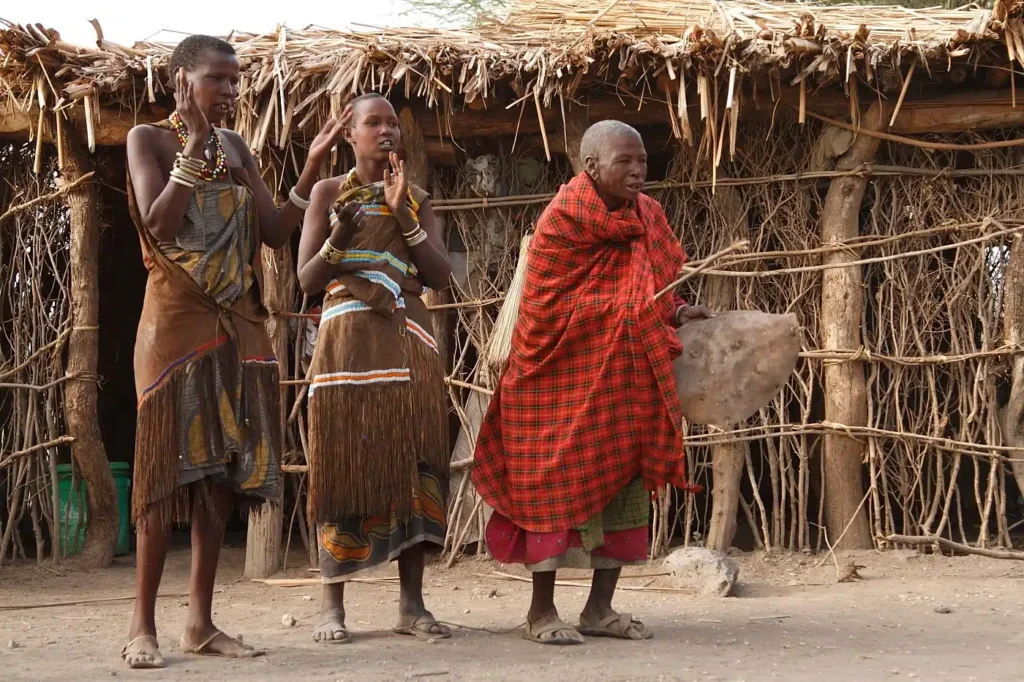
The San Bushmen are among the oldest indigenous groups in Southern Africa. Their history stretches back thousands of years. Known for their deep connection to the land, they are traditionally hunter-gatherers.
The San people possess exceptional tracking skills. Their understanding of the natural environment is unparalleled. This knowledge is crucial for their survival in the harsh Kalahari Desert.
Their culture is rich with unique traditions. San art, especially rock paintings, is a vital part of their heritage. These artworks tell stories of their ancestors and daily life.
The San language is fascinating. It features distinctive click sounds. These sounds are integral to their communication and cultural identity.
Modernization poses challenges to the San way of life. They face issues like land rights and marginalization. Despite this, efforts are underway to preserve their culture.
The San Bushmen are spread across several countries. They live in Botswana, Namibia, South Africa, and Angola. Each community contributes to the rich tapestry of San culture.
Tourism offers economic opportunities for some San communities. It also raises awareness of their unique heritage. Visitors can learn about their traditions and way of life.
The San Bushmen’s resilience is remarkable. They continue to adapt while maintaining their cultural identity. Their story is one of survival and enduring legacy.
The San Bushmen, often referred to simply as “San,” are one of Africa’s oldest indigenous groups. Their presence in Southern Africa dates back thousands of years. As a testament to human resilience, their heritage is steeped in rich traditions.
Originally, the San were nomadic hunter-gatherers. They roamed vast areas of Southern Africa, especially the Kalahari region. This nomadic lifestyle was essential for survival in varying climates.
Today, the San Bushmen are found in multiple countries: Botswana, Namibia, South Africa, and Angola. Despite national boundaries, their cultural identity remains united. Each community has unique characteristics, yet shares core beliefs and practices.
Their language sets them apart with its unique click sounds. These are not just for communication; they also serve as cultural markers. Intricate stories and histories are woven through their oral traditions.
The San identity is deeply tied to the land. Their understanding of nature is remarkable, with spiritual beliefs closely linked to the environment. Many San view themselves as custodians of the earth.
Throughout history, the San have faced numerous challenges. Colonization, displacement, and modernization have threatened their way of life. However, efforts to protect and preserve their heritage continue to grow.
The San Bushmen’s identity is a living tapestry of history, culture, and adaptation. Their story is one of survival, marking them as a key piece of Africa’s human history.
The San Bushmen have long thrived in challenging environments. Their primary habitat has been the expansive Kalahari Desert. This harsh landscape requires profound skills to navigate and survive.
The Kalahari Desert, though arid, is rich in resources for those who know where to look. The San are adept at finding water, food, and shelter. They rely on centuries of accumulated knowledge passed through generations.
The geographical reach of the San extends beyond the Kalahari. While the desert is central to their identity, they also inhabit savannas and grasslands. These diverse landscapes have shaped their culture and sustenance strategies.
The Kalahari, with its extreme temperatures, is both a home and a challenge. The San have developed unique skills to sustainably use the land. Their practices reflect a deep respect for nature and conservation.
Despite their expertise, the San face ongoing threats to their land. Development and climate change impact their traditional territories. Yet, they persist in defending their ancestral lands and ways of life.
The lands of the San are more than a backdrop; they’re vital to their identity. Navigating these landscapes defines the San way of life, highlighting their profound connection to the earth.
The San languages are renowned for their unique click sounds. These sounds form the backbone of their spoken communication. The clicks make the language distinctive and complex.
Linguists are particularly fascinated by the San’s use of clicks. These sounds are made by creating a suction mechanism with the tongue. This method distinguishes San languages from others around the world.
The San languages are not just about clicks. They have an array of phonetic and grammatical structures. These elements are essential in expressing the rich oral history and cultural narratives of the San.
While the language is an emblem of San culture, it faces threats. Modern influences and the dwindling number of speakers pose challenges. Efforts are underway to preserve this unique linguistic heritage. Language is an integral part of the San identity, preserving links to their ancestors and sustaining their community ties.
The San Bushmen’s social structure is largely egalitarian. Decisions in their community are generally made by consensus. Leadership is often based on respect rather than hierarchy.
San families are typically close-knit. They rely heavily on cooperation and shared resources for survival. Interpersonal bonds are strengthened through shared experiences and mutual support.
Daily life revolves around community activities. Gathering food, storytelling, and ceremonies play crucial roles. These activities foster a sense of belonging and unity.
Communication is open and frequent among the San. Conflicts are resolved through dialogue and mutual understanding. This helps maintain harmony within the group.
San community life is deeply connected to their environment. Their activities and social structures support sustainable living. This connection to nature and each other helps the San thrive in challenging environments.
Cultural norms and traditions are passed through generations. This ensures continuity and fosters a shared identity. The San value these traditions, keeping them alive in modern times.
Community engagement and support structures form the backbone of San society. This resilience has helped them survive historical hardships. Their social systems remain a vital aspect of their culture.
The San Bushmen are renowned as traditional hunter-gatherers. For thousands of years, they’ve thrived in Southern Africa, relying on deep environmental knowledge. This lifestyle is a cornerstone of their cultural heritage.
Hunting is a skill passed down from generation to generation. The San use simple tools such as bows and poisoned arrows. Their tracking abilities are unparalleled, allowing them to follow the subtle signs of wildlife across vast landscapes.
Gathering complements their hunting practices. The San are experts in identifying edible plants, roots, and fruits. This knowledge is critical, especially during harsh seasons when hunting yields less.
San diets are diverse and adaptable. They consume a mix of wild game, various plants, and even insects. This balanced diet is key to their survival in the Kalahari Desert and other challenging environments.
Social gatherings often center around sharing food. Meals are communal events, reinforcing social bonds and cultural practices. Sharing ensures that each member contributes and benefits equally.
The San lifestyle is characterized by a minimalist approach. Their possessions are few, primarily tools and clothing suited to their environment. This simplicity allows them to live sustainably and in harmony with nature.
Their traditional ways are gradually changing due to external influences. However, the essence of the hunter-gatherer lifestyle remains integral to their identity. Understanding and respecting this lifestyle provides valuable insights into human adaptability and cultural resilience.
The San Bushmen possess remarkable survival skills. Their deep understanding of nature is unparalleled, rooted in their intimate connection with the land. This knowledge is vital for thriving in challenging environments like the Kalahari Desert.
Living in a desert requires adaptability. The San track weather changes and animal movements effortlessly. Their acute observation skills allow them to anticipate shifts in the environment, ensuring they can plan appropriately for those changes.
The San have an encyclopedic knowledge of plants. They identify which are edible, which have medicinal value, and which can be used for other purposes. This knowledge is shared orally through stories and practical demonstrations from elders to children.
Moreover, water is a precious resource in the desert. The San can locate water sources few others can find, sometimes relying on hidden underground stores. This skill is crucial in an area where water scarcity can be life-threatening.
These skills and knowledge have been refined over generations. They are crucial to the San’s way of life and their identity as a people who live in harmony with the natural world.
Artistic expression is central to the San Bushmen’s culture. Their ancient rock paintings and engravings tell stories of ancestors, wildlife, and daily life. These artworks are found scattered across Southern Africa, serving as a testament to their rich heritage.
The San’s music is equally significant. Traditionally, it includes clapping, dancing, and using simple instruments. These elements come together in ceremonies that bond the community and celebrate significant events or rituals.
Storytelling is an essential way San Bushmen pass down knowledge. Oral tradition is the backbone of their history, with stories teaching young ones about survival, morals, and the universe’s mysteries. The tales capture the imagination, linking the past to the present.
Art, music, and storytelling serve multiple purposes. They preserve history, teach essential skills, and foster a sense of identity and community. For the San, these cultural practices are ways to connect with each other and their land.
Through vibrant cultural expressions, the San Bushmen continue to celebrate their heritage. This cultural wealth enriches not only their lives but also offers insights into human creativity and resilience.
The San Bushmen’s spirituality is deeply rooted in nature and their environment. They view the land as sacred, believing it to be a living entity that must be respected and protected. Their spiritual practices emphasize harmony with nature and all living creatures.
Central to their beliefs are the concepts of spirits and ancestors. The San believe that spirits inhabit natural elements like trees, animals, and even the wind. Communication with these spirits often occurs during rituals and trances, led by shamans. This spiritual practice helps guide their community’s decisions and actions.
Rituals involving dance and trance states are essential aspects of their spiritual life. These ceremonies aim to connect with the spiritual realm and seek guidance or healing. Through these practices, shamans can mediate between the natural and spiritual worlds.
The San’s spiritual beliefs not only direct their way of living but also fortify their connection to the earth. These traditions underscore a profound respect for the natural world and their place within it, contributing to their enduring cultural identity.
The San Bushmen possess extensive knowledge of traditional medicine, passed down through generations. Their healing practices are rooted in the natural world, utilizing plants and natural resources available in their environment. This deep understanding reflects their intimate connection with the land and its flora.
Central to their medicinal practices are healing plants and the role of the healer or shaman. Shamans are skilled in using herbs and plants for treating various ailments. Their expertise often includes identifying specific plant species for particular remedies.
Healing ceremonies often accompany traditional medicine, involving song, dance, and trance. These ceremonies not only aid in physical healing but also address spiritual well-being. The community gathers to support and participate in these rituals, reinforcing social bonds.
These practices showcase the San’s holistic approach to health, where physical and spiritual healing are intertwined. Their traditional knowledge continues to offer valuable insights into natural medicine today.
The San Bushmen’s clothing and shelter reflect their resourcefulness and adaptation to the environment. Traditionally, their clothing is crafted from animal hides, providing both durability and comfort in harsh conditions. These materials are not only practical but also signify the importance of animals in their daily lives.
Shelters built by the San are simple and efficient. They typically use natural materials like wood, grasses, and hides, which are readily available. These structures are easy to assemble and disassemble, essential for a semi-nomadic lifestyle. The design ensures protection from the elements while maintaining a close connection to nature.
San material culture extends beyond clothing and shelters. They create tools and artifacts from natural resources, demonstrating their ingenuity. Weapons for hunting, such as bows and arrows, are crafted with precision. Beads made from ostrich eggshells are used for personal adornment and trade, showcasing creativity and cultural expression.
The San Bushmen have faced significant challenges due to changing political and social landscapes. Historically marginalized, they have been displaced from their ancestral lands. This displacement has led to struggles for recognition and land rights in Southern Africa.
Land rights are central to San identity and survival. Loss of traditional lands undermines their ability to sustain their hunter-gatherer lifestyle. Without these lands, their culture and independence face significant threats. The fight for land has resulted in legal battles in countries like Botswana and Namibia.
Marginalization also extends to access to resources and opportunities. Many San communities lack basic services such as education and healthcare. This disparity hinders their ability to thrive in modern society. Moreover, cultural misunderstandings have fueled stereotypes, further isolating the San people.
Efforts are underway to address these issues. Organizations are advocating for San rights and promoting cultural awareness. Educational programs aim to empower San youth, equipping them with skills for modern challenges. Such initiatives strive to balance tradition with contemporary needs.
The San Bushmen have shown remarkable resilience in the face of modern influences. As the world around them evolves, they are finding ways to adapt. Balancing tradition with change is crucial for their survival.
Many San communities are embracing education while preserving their cultural values. Education provides tools for navigating contemporary society. However, it is essential that this occurs without losing their unique identity. Some initiatives include integrating traditional knowledge into school curricula.
Economic pressures have also led to adaptations in their lifestyle. San art and crafts have found a market among tourists and collectors. This venture has created revenue, supporting community projects. Moreover, some communities engage in cultural tourism, sharing their heritage with visitors.
Preserving cultural practices remains a top priority. Efforts to document and share San traditions through media are ongoing. This preservation aims to ensure that future generations understand their roots. Collaborative projects with anthropologists and governments help protect their customs and languages.
Today, the San Bushmen are engaging with the modern world in multifaceted ways. Tourism has become a significant factor in their communities. Visitors are drawn to experience the bushmen’s rich culture and landscape firsthand. This interaction offers economic prospects, allowing the San to fund community projects and infrastructure improvements.
Education plays an increasingly vital role in empowering the San people. Community-led schools focus on bilingual education, combining formal schooling with traditional wisdom. Such initiatives aim to respect and retain cultural identity while providing practical skills. These schools emphasize the importance of cultural heritage alongside modern curriculum.
Community initiatives emphasize self-reliance and sustainability. Programs focusing on agriculture, health, and technology aim to uplift the San. These efforts are often supported by partnerships with NGOs and government bodies. Sustainable tourism models are also developed to ensure mutual respect and benefits. These initiatives strive to foster a balance between cultural preservation and progress.
The San Bushmen hold a crucial place in global human history and anthropology. As one of the world’s oldest indigenous groups, they offer invaluable insights into human evolution. Their hunter-gatherer lifestyle provides a window into ancient practices and societal structures.
Anthropologists and scientists study the San for their deep ecological knowledge. Their traditional practices in sustainable living are increasingly relevant today. Conservationists value their understanding of biodiversity, learned over millennia. This knowledge contributes to modern environmental management and restoration efforts.
Key Contributions to the World:
The San Bushmen’s legacy is deeply woven into the fabric of Southern Africa. Their history speaks to resilience and adaptability in an ever-changing world. These qualities have allowed them to preserve their cultural identity despite numerous challenges.
As modernity encroaches, preserving their traditions remains vital. The San’s rich cultural heritage continues to inspire and educate global communities. Their teachings remind us of the deep connection between humans and the natural world. Understanding and valuing their culture is essential for fostering respect and appreciation for indigenous peoples worldwide.
Chat with our safari experts on WhatsApp or start planning your journey today. Get personalized guidance on safaris, Kilimanjaro routes, and the best times to visit tailored entirely to your travel goals.