You’ve pictured the golden plains of the Maasai Mara, but the difference between seeing a dozen lions or a dozen mud puddles often comes down to your calendar. There is no single “best time to visit Kenya safari,” only a best time for your specific goals.
Animal behavior dictates your success. During dry months, wildlife huddles around scarce water sources, making them easy to spot. However, determining when to go to Kenya requires knowing that rain causes animals to spread out across the landscape, making them harder to find.
Most experts agree that high visibility comes with a trade-off: crowds. Just like a theme park during the holidays, the best time to travel to Kenya for wildlife density often means sharing the view.
Timing the River Crossings: How to Catch the Great Migration in the Maasai Mara
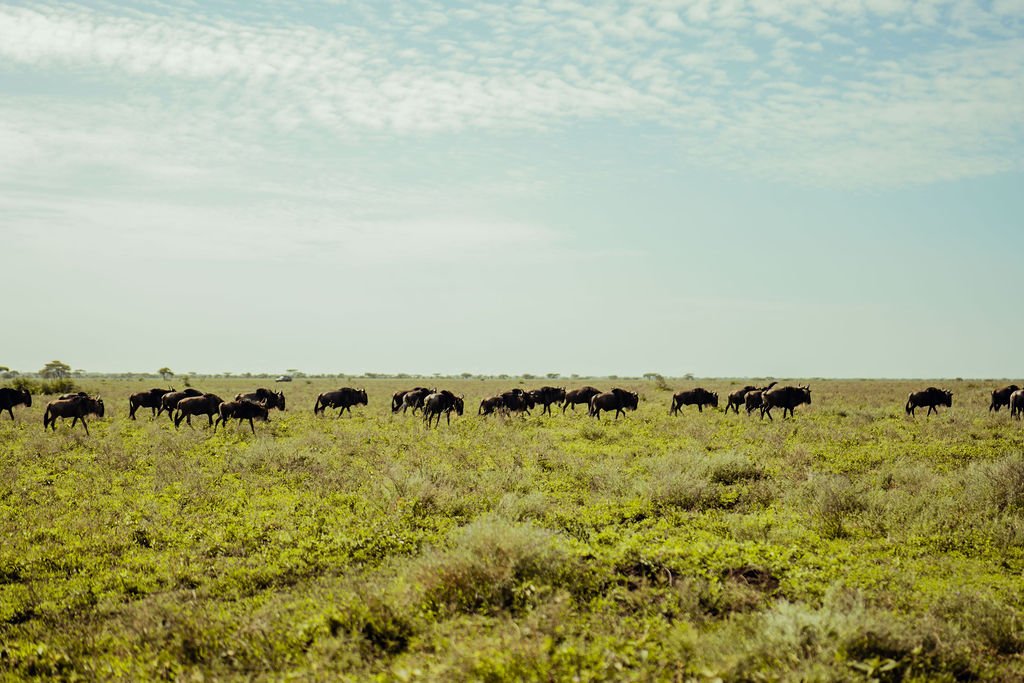
If you are seeking the absolute pinnacle of wildlife drama, the Great Migration is likely the centerpiece of your dream trip. This phenomenon isn’t a random stampede; it is a survival loop driven by ancient instinct and rainfall. Think of it as a “moving buffet” where 1.5 million wildebeest and zebra constantly chase the smell of rain to find fresh grazing. When the southern plains dry out, this massive herd marches north into the Kenya animal migration season, transforming the landscape into a sea of moving life.
The climax of this journey occurs at the Mara River, presenting the high-stakes struggle you have likely seen in documentaries. Here, the herds must navigate steep banks and crocodile-infested waters, often hesitating for hours before plunging in. While nature operates on its own schedule, Kenya in July typically marks the arrival of the vanguard herds, setting the stage for the season’s most intense action.
To help you pin down the Masai Mara wildebeest migration dates for your booking, here is the general rhythm of the season:
- July: The herds begin pouring across the border from Tanzania; river crossings start but can be sporadic.
- August: The peak of the season. The grass is short, the herds are massive, and dramatic river crossings are most frequent.
- September: The animals are fully settled in the Mara grazing on the lush plains, offering incredible density for viewing even as crossings taper off.
Witnessing this spectacle creates the best time for African safari Kenya enthusiasts, but it comes with a specific trade-off: popularity. Because the migration is world-famous, you will be sharing the view with many other 4×4 vehicles, often lining up along the riverbanks for the best angle. If you prefer intimate sightings over sheer numbers, you might want to look at the months following the short rains, where the focus shifts from survival chaos to new life.
Next Up: The “Baby” Season: Why January and February Offer the Best Predator Action
The ‘Baby’ Season: Why January and February Offer the Best Predator Action
While the Great Migration brings chaotic movement, the start of the year introduces a period often called the “calving season.” During the short dry window of January and February, the plains fill with thousands of newborn wildebeest, zebras, and antelopes during the Maasai Mara calving season months, turning the savannah into a massive nursery. The grass is shorter during these months, making it significantly easier to spot animals across the landscape compared to the wetter times of the year.
Newborns are naturally vulnerable, and this abundance of easy prey draws Kenya’s most famous hunters into the open. For travelers, this dynamic creates the most intense scenes on the Big Five sightings calendar, as lions, leopards, and cheetahs take advantage of the naive young to teach their own cubs how to hunt. If your goal is to witness the raw interaction between predator and prey rather than just seeing herds graze, this is your window.
Beyond the wildlife drama, the weather creates a stunning backdrop for your photography. The skies are generally cloudless and the air is free of haze, making this the Amboseli National Park peak season for viewing Mount Kilimanjaro in all its glory. Many experts consider this the best time of year to visit Kenya if you want excellent game viewing without the extreme crowds of August, though savvy travelers know there is an even cheaper option if you don’t mind getting wet.
Next Up: Slash Your Trip Cost by 40%: The Strategic Value of Kenya’s ‘Green Season’
Slash Your Trip Cost by 40%: The Strategic Value of Kenya’s ‘Green Season’
The biggest secret in the safari industry is that the “Long Rains” of April through June and the “Short Rains” of November offer the most exclusive experience at nearly half the price. Because most travelers avoid these wetter months, luxury lodges often drop their rates significantly to attract guests. This period, known as the low season Kenya safari benefits window, allows you to stay in high-end camps that might be unaffordable in August, making these the budget friendly months for Kenya safari planning.
Beyond the savings, the landscape undergoes a dramatic transformation that creates a visual feast. While the dry season is famous for golden plains, the green season safari offers vibrant emerald landscapes and dramatic storm clouds that provide stunning contrast for your photos. The rain clears the air of the dry season’s pervasive dust, resulting in crisp, high-definition views, though the thicker vegetation does mean you will need to scan the bush more carefully to spot leopards or lions.
For wildlife enthusiasts interested in more than just the Big Five, the latter part of the year brings a unique spectacle. November marks the arrival of migratory species from Europe and North Africa, establishing it as the best time for bird watching in Kenya. A Kenya safari November trip offers a chance to see colorful bee-eaters and rollers filling the trees, adding a layer of biodiversity that dry-season visitors completely miss.
Embracing the rain requires the right gear to ensure comfort during game drives. To maximize this season, pack these essentials:
- Waterproof binoculars to protect your optics.
- Quick-dry clothing that handles humidity well.
- Insect repellent, as moisture brings more bugs.
- A high-quality camera cover for sudden downpours.
While the rain brings incredible value to the savannah, it tells a different story on the coast, which is critical if you plan to combine your bush adventure with a beach holiday.
Next Up: The Best Time for Nairobi and Diani Beach: Planning Your City and Coast Extensions
The Best Time for Nairobi and Diani Beach: Planning Your City and Coast Extensions
Many travelers are surprised to find that Kenya’s capital sits at a high altitude, making it much cooler than the tropical image most have of Africa. Because of this elevation, the best time to visit Nairobi Kenya aligns with the dry, cool months of July and August, though you will definitely need a light jacket for morning excursions. If you prefer warmer days for exploring the city, January and February offer blue skies and comfortable temperatures, widely considered the best time to go to Nairobi before heading out to the bush.
Shifting your focus to the coastline requires a different strategy because weather patterns change dramatically at sea level. The ideal Diani beach weather for post-safari relaxation occurs between October and March, when the ocean is calmest and water visibility is perfect for diving. It is wise to avoid the coast during May, as the “Kusi” monsoon winds bring heavy humidity and significant rainfall that can keep you confined to your hotel room rather than lounging on the sand.
Balancing these unique climates requires prioritizing your primary goal, whether that is a city culture tour or a beach escape, and letting the other extension fit around it. Understanding these regional differences is the final piece of the puzzle before locking in your dates. Now that you have mastered the seasons, the regions, and the costs, you are ready to finalize your itinerary.
Next Up: Your 3-Step Plan to Booking the Perfect Kenya Safari
Your 3-Step Plan to Booking the Perfect Kenya Safari
You no longer need to search for a single best month to visit Kenya because you now understand how to align the calendar with your specific priorities. The decision is simply a strategic trade-off between the dramatic, high-energy spectacle of the dry season and the lush, exclusive privacy of the green season. Regardless of the dates you choose, the resident wildlife ensures that the savannah is never empty.
If your primary goal is witnessing the Great Migration, target late summer, but if you value solitude and lower rates, the best time of year to go to Kenya shifts to the shoulder months like February or November. Now that you have determined when to travel to Kenya, take the concrete step of checking lodge availability for your chosen window. The perfect safari is not about avoiding the rain; it is about choosing the specific adventure that fits your vision.