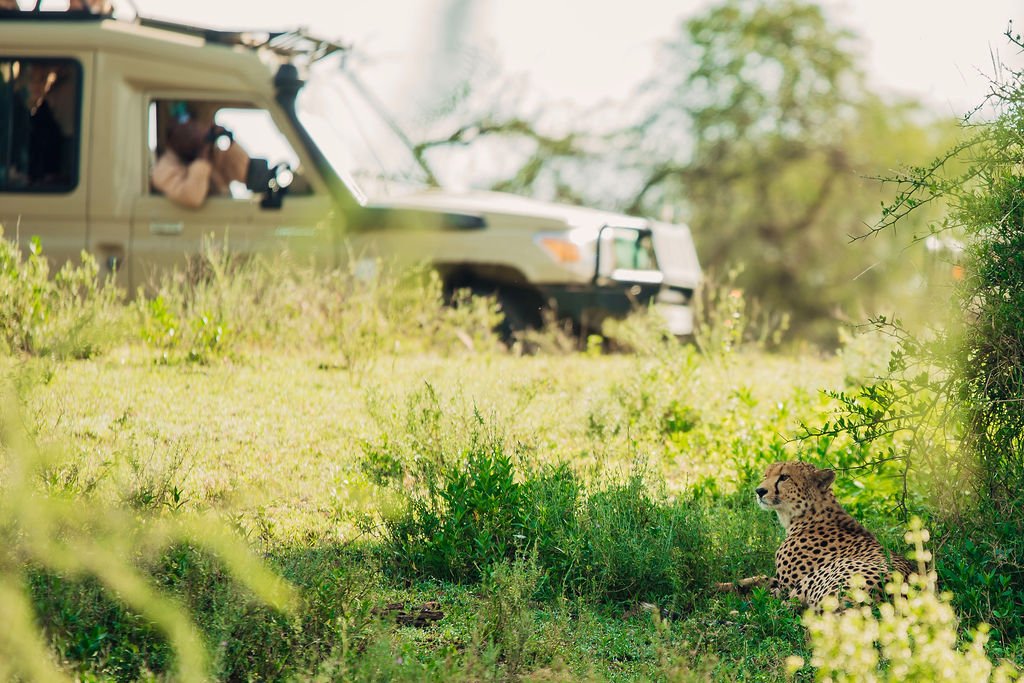
You’ve likely visualized the dramatic river crossings of the Great Migration, yet arriving just a few weeks too early or late can mean facing empty plains instead of thundering herds. Experienced guides often describe this phenomenon as a circular “moving buffet,” meaning the best time for an African safari in Tanzania depends entirely on following the rainfall patterns that drive these animals.
While the herds migrate, massive populations of resident wildlife, like lions and elephants, remain visible year-round. Choosing your dates involves a strategic trade-off: you might prioritize the easy spotting conditions of the “Gold and Dry” season, or opt for the vibrant “Green and Lush” months where, according to industry pricing trends, the best time for safari in Tanzania for your budget could save you nearly 40%.
Why the Dry Season (June to October) is the ‘Gold Standard’ for First-Timers: High Visibility, Sparse Vegetation, and Predictable Wildlife
For most first-time travelers, the long dry season is the intuitive choice. As the rains cease, the waist-high grasses wither into a golden stubble, turning the landscape into a high-visibility stage where predators have nowhere to hide. Thirst drives the action here; because temporary puddles dry up, animals are forced to congregate at permanent riverbanks and waterholes. This natural “concentration effect” is arguably the best time for safari in Tanzania because it means you spend significantly less time searching for wildlife and more time observing it.
Crucially, this period corresponds with winter in the Southern Hemisphere. Despite the equator’s proximity, early morning game drives in open vehicles are surprisingly frigid. peak viewing conditions inevitably attract peak crowd levels. While June to October wildlife sightings are statistically excellent across the country, popular confined areas like the Ngorongoro Crater wildlife viewing calendar see their highest vehicle density during these months.
Dry Season Essentials:
- Heavy Fleece: Vital for 5:00 AM starts before the sun heats the plains.
- Dust Buff/Bandana: The trails are dry, and vehicles kick up significant fine dust.
- Binoculars: With vegetation low, you can spot animals from much greater distances.
Once the sun rises and the layers come off, the focus often shifts to the Serengeti’s main event. While general game viewing is superb everywhere, tracking the specific movement of the herds is the key to witnessing the dramatic river crossings versus the calving season.
Decoding the Great Migration Calendar: When to Catch the River Crossings vs. the Calving Season
Many travelers assume the “Great Migration” is visible everywhere in the Serengeti simultaneously, but the herds actually follow a continuous, circular route in pursuit of fresh rain. To catch the action, you must book accommodation in the specific region where the animals are grazing during your travel window. The cycle essentially oscillates between two dramatic extremes: the adrenaline-fueled obstacles in the north and the nutrient-rich birthing grounds in the south.
Aligning your itinerary with the herd’s location is critical for seeing those bucket-list moments; if you book a southern lodge in August, you will find empty plains while the action is 150 miles away. Use this rough guide to place yourself in the front row:
- Jan–Mar (South): The Serengeti calving season months offer incredible predator action as 8,000 calves are born daily.
- Apr–May (Central/West): The herds trek north through the “Western Corridor” during the heavy rains.
- Jul–Oct (North): This is the peak window for Great Migration river crossing dates, where herds brave crocodiles at the Mara River.
While the northern river crossings are famous for their chaotic energy, the southern season offers a different kind of intensity. Knowing when to see wildebeest calving, specifically February, guarantees scenes of life and death, as big cats stalk vulnerable newborns amidst the lush, emerald grasses. This abundance of life coincides with what insiders call the “Green Season,” a period that offers smarter travelers a way to see the same wildlife without the peak-season price tag.
Navigating the ‘Green Season’ (November to May): How to Score 40% Discounts and Avoid the Serengeti Crowds
Don’t let the term “rainy season” automatically scare you away from booking. While April and May bring the heavy “Long Rains” that can turn dirt roads into impassable mud pits arguably the worst time to visit Tanzania if you have a tight schedule and low tolerance for getting stuck—the earlier “Short Rains” in November and December are much milder. These brief afternoon showers settle the dust and turn the brown savannah into a vibrant emerald backdrop, offering a lush alternative to the parched landscapes of late winter.
Smart travelers often use this period to upgrade their experience for significantly less money. Because demand drops once the migration heads south, the “Green Season” offers the cheapest month for Tanzania safari packages, with many luxury lodges slashing rates by up to 40% (often waiving the single supplement). The comparison between the Tanzania safari dry season vs wet season isn’t just about weather; it is about exclusivity. Instead of sharing a lion sighting with twenty other vehicles, you might have the pride entirely to yourself.
However, the lush landscape comes with specific trade-offs you must prepare for. The increased moisture leads to a higher malaria risk during rainy season Tanzania, so strong insect repellent and prophylaxis are non-negotiable. If you are willing to manage the bugs and potential mud, the rewards are distinct:
- Photography: Dramatic storm clouds and dust-free air create crystal-clear lighting conditions.
- Baby Animals: Predator action peaks as big cats target the millions of newborns on the plains.
- Birding: Migratory species arrive from Europe and Asia, filling the parks with color.
- Solitude: Enjoy the vast Serengeti without the “traffic jams” of peak season.
Choosing Your Perfect Window: A 3-Step Plan for Booking Your Tanzanian Adventure
Choosing the perfect window comes down to balancing your tolerance for crowds against your desire for dramatic wildlife moments. You now possess the insight to weigh high season vs low season safari prices effectively, perhaps even leveraging savings for a relaxing Zanzibar and Tanzania safari combo to end your trip. Align your priority with the calendar:
- The Photographer: Aim for January or February to capture vibrant green landscapes and newborn calves.
- The Action-Seeker: Target August or September for the dramatic Mara River crossings.
- The Budget Traveler: Choose November for lower rates and excellent game viewing without the crowds.
Before confirming, verify that your chosen lodge aligns with the current migration map. Finding the best places to stay in tanzania isn’t just about luxury; it is about positioning yourself in the path of the herds so you wake up to the action rather than a long drive.