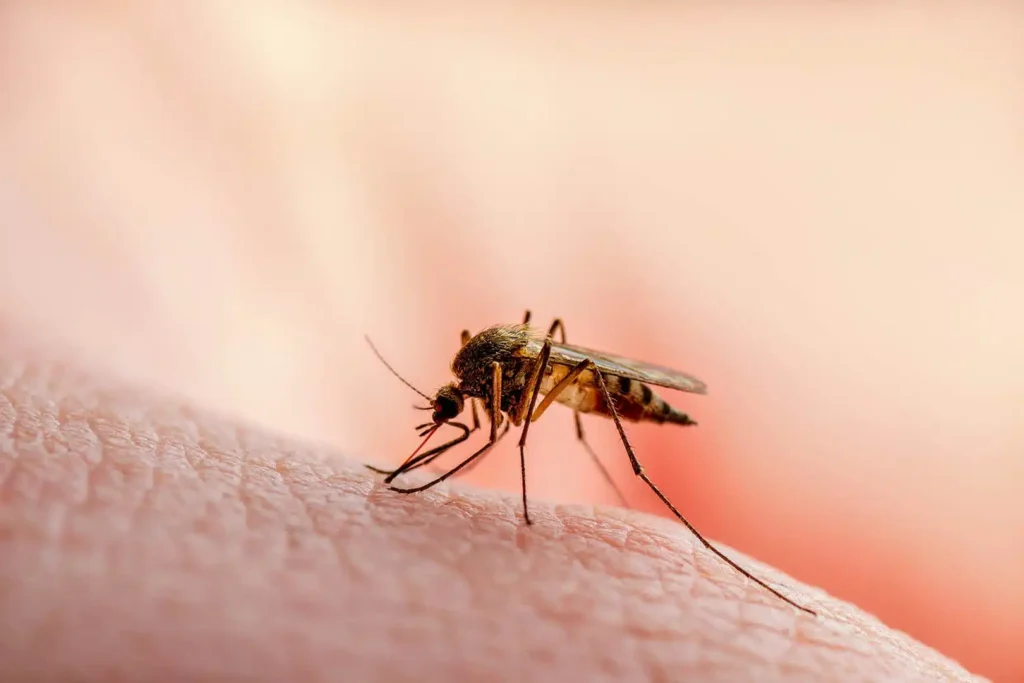
The sound of rain on the roof usually brings relief from the heat, but for the Anopheles mosquito, it serves as a biological starting gun. While we enjoy the cool air, high humidity accelerates the insect’s life cycle, turning harmless puddles into active nurseries in mere days. Public health data confirms that malaria risk during rainy season spikes specifically because these carriers reproduce much faster in damp conditions.
Recognizing the link between rainfall patterns and malaria transmission allows you to act before the fever strikes. The danger isn’t just the storm itself, but the quiet window immediately after when water settles in flower pots or gutters. By applying basic tropical climate disease prevention tips, you can disrupt this cycle and shield your home from the escalating threat.
The 7-Day Nursery: How Stagnant Water Fuels a Mosquito Population Explosion
While a heavy downpour might seem like it washes everything away, it actually leaves behind thousands of tiny “nurseries.” Any undisturbed pool of water, from a clogged roof gutter to a discarded bottle cap, becomes an incubation chamber for the Anopheles mosquito. In warm, humid weather, this process accelerates dramatically, turning the stagnant water you ignore today into the starting line for a biological race against time.
Once a female mosquito finds a suitable wet spot, the development cycle moves aggressively fast:
- Days 1–2 (Eggs): Tiny eggs act like rafts floating on the water’s surface.
- Days 3–5 (Larvae): Eggs hatch into “wrigglers.” If you look closely at a flower pot saucer, you might see them twitching just below the surface.
- Days 6–7 (Pupae): The larvae transform into “tumblers”—a cocoon stage—before emerging as flying, biting adults.
Moisture does more than just fill puddles; it acts as a life-support system for the adult insect. In dry air, a mosquito might die of dehydration before it can spread disease, but high humidity extends its lifespan, giving it more opportunities to bite. Because the transformation from egg to adult takes roughly a week, you have a strict seven-day deadline to tip out containers before a new generation takes flight. This breeding speed is only half the equation; you must also evaluate what happens inside your body after the bite occurs.
Beyond the Bite: Understanding the ‘Hidden Fuse’ of Malaria Incubation
After the annoyance of a mosquito bite fades, it is easy to assume you are in the clear, but this quiet interval is actually a biological deception. Medical professionals refer to this as the incubation period, effectively a “hidden fuse” that burns silently for 7 to 14 days while the parasite multiplies within you. Because of this significant delay, many patients fail to link a sudden onset of illness to a rainstorm or bite that occurred weeks prior. If you fall ill during the rainy season, you cannot rely on how you felt yesterday; you must evaluate your current symptoms against the timeline of that two-week window.
Distinguishing malaria symptoms vs common cold signs can be tricky since both begin with general fatigue, yet specific patterns usually emerge to guide you. Unlike a standard flu which often involves congestion or a sore throat, the early signs of malaria infection typically present as intense, cyclical fevers paired with severe, shaking chills. These temperature spikes often repeat every 48 hours, serving as a distinct alarm bell that implies a parasitic cause rather than a viral one. Recognizing when to seek medical attention for fever is critical for rapid treatment, but the most effective strategy is stopping the cycle before it begins.
The Rainy Season Checklist: 5 High-Risk Spots in Your Yard You Probably Overlooked
While recognizing symptoms is vital, the best defense is denying the enemy a place to grow. Often, the puddle by your driveway or the saucer under a plant pot acts as a temporary “nursery” for mosquitoes. It takes surprisingly little water—often just a bottle cap’s worth—for a female mosquito to lay hundreds of eggs. Once the rain stops, you have a brief window of opportunity to disrupt this cycle and perform source reduction before a new generation takes flight.
Conducting a “search and destroy” mission around your property immediately after a storm is the most effective way to lower local transmission risk. Grab a broom and a flashlight, then inspect these five common water traps that often go unnoticed:
- Roof Gutters: Leaves often block downspouts, creating hidden, elevated pools that are perfect for breeding.
- Plant Saucers: Empty the trays beneath your flower pots, as they hold water long after the soil dries.
- Old Tires: These are notorious for trapping warm, stagnant water that is difficult to shake out.
- Discarded Trash: Even a crumpled snack wrapper or an overturned bottle cap can sustain larvae.
- Outdoor Drains: Ensure runoff points are clear of debris so water keeps moving rather than pooling.
Speed is just as important as thoroughness because larvae develop rapidly in humid heat. Aim to clear these hazards within 48 hours of rainfall to ensure eggs never have the chance to hatch. However, because you cannot control your neighbor’s yard or public spaces, eliminating breeding sites is only half the battle. To fully secure your home, you must combine this yard maintenance with physical barriers that block adult mosquitoes from entering your living space.
Nets, Sprays, and Timing: Your Daily Defense Against Peak Biting Hours
Even if your yard is pristine, hunger drives mosquitoes from neighboring areas to hunt as the sun goes down. This “dusk-to-dawn” window is when the malaria-carrying Anopheles mosquito is most active, making your skin a primary target during evening meals. In tropical humidity, simple sprays often fail because sweat washes them away quickly. To ensure you are using the best mosquito repellents for high humidity, ignore the brand name and look for these specific active ingredients:
- DEET (20–50%): The heavy-duty standard. It feels oilier but offers the longest-lasting protection against sweat and friction.
- Picaridin (20%): A modern alternative. It feels lighter on the skin, is odorless, and matches DEET’s efficacy without damaging plastic gear.
While sprays protect you during dinner, your defense strategy must change when you sleep. Insecticide-treated bed nets effectiveness relies on more than just the mesh; the chemical coating creates a “halo” that kills mosquitoes on contact, preventing them from biting you through the fabric if you roll against it. Combining these nets with light, loose clothing creates a near-impenetrable shield. These defenses work best when integrated into a daily routine.
From Awareness to Action: Your 3-Step Plan for a Malaria-Free Monsoon
You no longer need to view every storm as a health threat. By maintaining a shielded home, you shift from passive worry to active control. Commit to the “48-hour rule” by clearing stagnant water before eggs hatch, and ask your doctor if prophylactic medication for seasonal outbreaks or seasonal malaria chemoprevention for children is right for your family.
True peace of mind comes from vigilance. Monitor everyone for fevers during the incubation window, acting fast if symptoms appear. When you consistently apply these malaria prevention rainy season strategies, the sound of rain becomes a comfort again rather than a cause for alarm.