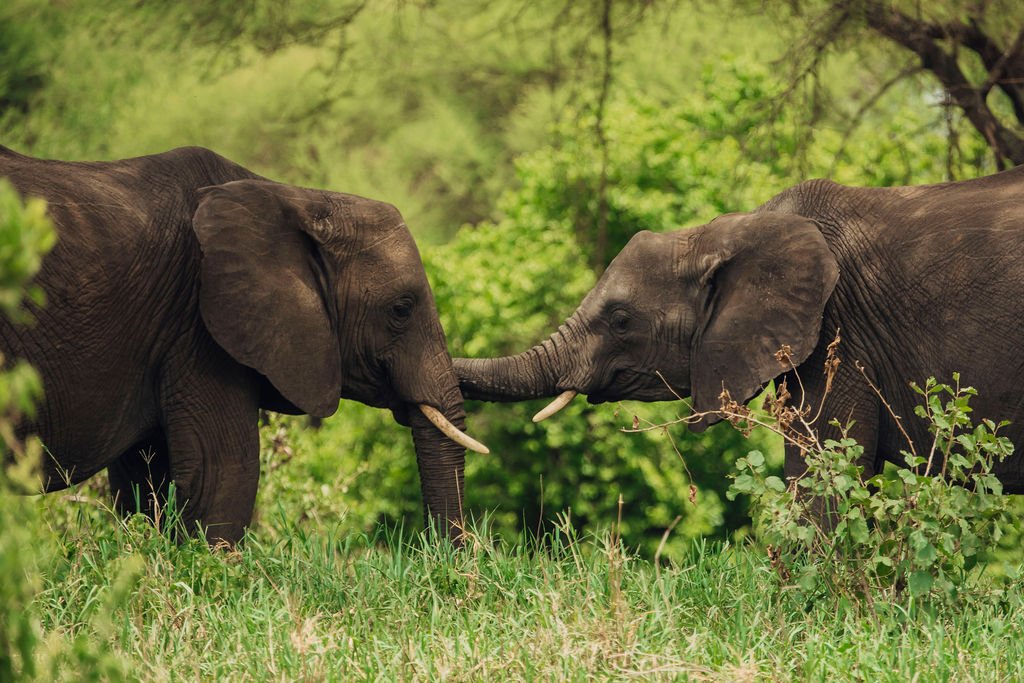
Planning a Tanzania safari is a dream for many travelers, but the costs can seem overwhelming. The good news? Strategic timing can save you thousands of dollars while still delivering an unforgettable African wildlife experience. Understanding when to visit Tanzania for the best safari prices requires knowledge of seasonal dynamics, weather patterns, and tourism trends that directly impact costs.
This comprehensive guide reveals the cheapest months for Tanzania safari adventures, breaks down exactly why prices fluctuate throughout the year, and provides actionable strategies to maximize value without sacrificing the quality of your wildlife encounters. Whether you’re a budget backpacker or a value-conscious luxury traveler, this guide will help you experience Tanzania’s magnificent national parks at the lowest possible cost.
Quick Answer: When is the Cheapest Time for Tanzania Safari?
The absolute cheapest month for Tanzania safari is April, followed closely by March and May. These months fall within Tanzania’s long rainy season (March-May), when safari prices drop by 30-50% compared to peak season rates. Tour operators and lodges significantly reduce prices to attract visitors during this traditionally quiet period.
Price Comparison by Season:
| Season | Months | Price Level | Discount vs Peak |
|---|---|---|---|
| Peak Season | July-October, January-February | Highest | Baseline (0%) |
| Shoulder Season | June, November | High | 15-25% lower |
| Green Season | December, March | Moderate | 25-35% lower |
| Low Season | April-May | Lowest | 35-50% lower |
However, “cheapest” doesn’t always mean “best value.” The optimal choice depends on your priorities, weather tolerance, and specific wildlife interests. Let’s explore the complete picture.
Understanding Tanzania Safari Seasons and Pricing
Tanzania’s tourism industry operates on seasonal pricing models directly tied to demand, weather patterns, and wildlife movements. Understanding these dynamics is essential for budget planning.
Peak Season: Maximum Prices, Maximum Crowds
When: July-October (dry season) and January-February (short dry season)
Why Prices Are High:
- Perfect weather conditions with minimal rainfall
- Optimal wildlife viewing as animals concentrate around water sources
- Great Migration river crossings (July-October)
- School holidays in Europe and North America drive demand
- Comfortable temperatures and clear skies
Typical Costs:
- Budget camping safari: $200-$300 per person per day
- Mid-range lodge safari: $400-$600 per person per day
- Luxury safari: $800-$1,500+ per person per day
Advantages Despite High Costs:
- Guaranteed excellent wildlife sightings
- Dry roads and easy park access
- Predictable weather for planning
- All lodges and camps fully operational
Shoulder Season: Moderate Prices, Good Value
When: June, November, early December
Why Prices Are Moderate:
- Transition periods between dry and wet seasons
- Still good wildlife viewing conditions
- Fewer tourists than peak months
- Weather becoming less predictable
Typical Costs:
- Budget camping safari: $150-$250 per person per day
- Mid-range lodge safari: $300-$450 per person per day
- Luxury safari: $600-$1,000 per person per day
Advantages:
- 15-25% savings compared to peak season
- Fewer crowds at popular sites
- Green landscapes beginning to emerge
- Most facilities still fully operational
Green Season: Significant Savings Begin
When: Late November-early March (short rains and recovery)
Why Prices Drop:
- Afternoon rain showers more common
- Some lodges close for maintenance
- Tourists prefer guaranteed dry weather
- Vegetation becomes thicker
Typical Costs:
- Budget camping safari: $120-$200 per person per day
- Mid-range lodge safari: $250-$400 per person per day
- Luxury safari: $500-$800 per person per day
Advantages:
- 25-35% savings vs peak season
- Calving season (January-February) in southern Serengeti
- Excellent bird watching
- Dramatic skies for photography
- Still relatively dry mornings
Low Season: Maximum Savings, Maximum Adventure
When: March-May (long rains)
Why Prices Are Lowest:
- Heavy, sustained rainfall (especially April)
- Muddy roads can limit accessibility
- Lowest tourist numbers of the year
- Some camps and lodges close completely
Typical Costs:
- Budget camping safari: $100-$180 per person per day
- Mid-range lodge safari: $200-$350 per person per day
- Luxury safari: $400-$700 per person per day
Advantages:
- 35-50% savings vs peak season
- Near-empty parks and exclusive experiences
- Lush, vibrant landscapes
- Newborn animals everywhere
- Migratory bird spectacle
- Last-minute booking opportunities
Month-by-Month Price and Value Analysis
Understanding each month’s unique characteristics helps identify the best budget window for your specific interests.
January – February: Expensive but Special
Average Daily Cost: $350-$600 (mid-range) Weather: Dry with occasional short rains Crowds: Very high Value Rating: ⭐⭐⭐ (3/5)
Why It Costs More:
- Calving season draws premium pricing
- Peak European winter holiday travel
- Excellent weather conditions
- High demand, limited availability
Budget Tips:
- Book 6-9 months in advance for early-bird discounts
- Consider lesser-known parks like Tarangire
- Join group safaris to share costs
Best For: Witnessing predator-prey dynamics during calving season, guaranteed dry weather
March: Sweet Spot for Budget Travelers
Average Daily Cost: $200-$400 (mid-range) Weather: Long rains beginning, variable conditions Crowds: Low to moderate Value Rating: ⭐⭐⭐⭐⭐ (5/5)
Why Prices Drop:
- Transition to rainy season
- Tourist numbers declining
- Uncertainty about weather
- Tour operators eager to fill slots
Budget Advantages:
- 30-40% lower than peak season
- Excellent last-minute deals available
- Lodges offer special promotions
- Less competition for permits and bookings
Wildlife Highlights:
- Late calving season still active
- Green landscapes emerging
- Excellent bird watching begins
- Predators still active near water sources
Considerations:
- Afternoon rains increasingly common
- Some roads may become challenging
- A few seasonal camps begin closing
Best For: Maximum budget savings with acceptable weather trade-offs, photographers seeking dramatic skies
April: The Absolute Cheapest Month
Average Daily Cost: $180-$350 (mid-range) Weather: Peak rainy season, daily rainfall expected Crowds: Extremely low Value Rating: ⭐⭐⭐⭐ (4/5 for budget-conscious travelers)
Why It’s Cheapest:
- Heaviest rainfall of the year
- Lowest tourist numbers
- Many lodges close or operate minimally
- Operators desperate to fill remaining capacity
Extreme Budget Advantages:
- 40-50% lower than peak season
- Unprecedented last-minute deals
- Private safari experiences at group prices
- Luxury lodges at mid-range costs
- Negotiation leverage with operators
Wildlife Experience:
- Animals more dispersed due to abundant water
- Lush, green landscapes at peak beauty
- Newborn animals throughout parks
- Fewer vehicles mean exclusive sightings
- Migratory birds at maximum diversity
Challenges:
- Roads can be muddy and difficult
- Some parks partially inaccessible
- Rain gear essential
- Potential for cloudy photography conditions
- Limited lodge options
Best For: Extreme budget travelers, adventurous spirits, photographers seeking unique conditions, those prioritizing savings over comfort
May: Rainy Season Ends, Prices Stay Low
Average Daily Cost: $200-$380 (mid-range) Weather: Long rains tapering off, improving conditions Crowds: Very low Value Rating: ⭐⭐⭐⭐⭐ (5/5)
Why Prices Remain Low:
- Still technically rainy season
- Many travelers wait for June
- Residual perception of poor conditions
- Operators eager to transition to high season
Budget Advantages:
- 35-45% lower than peak season
- Better weather than April
- Excellent availability and deals
- Lodge reopenings bring promotions
Wildlife Highlights:
- Migration beginning to move north
- Baby animals still abundant
- Improving road conditions
- Beautiful green landscapes
- Reduced tourist numbers continue
Sweet Spot Factor:
- Better weather than March-April
- Prices still very low
- Increasing wildlife activity
- Most lodges reopened
Best For: Best overall value combining reasonable weather with low prices, wildlife photography in green season
June: Transition to High Season
Average Daily Cost: $280-$500 (mid-range) Weather: Dry season begins, excellent conditions Crowds: Moderate, increasing Value Rating: ⭐⭐⭐⭐ (4/5)
Pricing Dynamics:
- Prices rising but not yet peak
- Early high season rates
- Better deals in first half of month
- Lodge occupancy increasing
Value Proposition:
- 20-30% lower than July-October
- Excellent weather conditions
- Good wildlife viewing
- Fewer crowds than peak months
Best For: Those wanting good weather and wildlife with moderate savings
July – October: Most Expensive, Best Wildlife
Average Daily Cost: $400-$800 (mid-range) Weather: Dry, perfect conditions Crowds: Maximum Value Rating: ⭐⭐⭐ (3/5 for budget travelers)
Why It’s Expensive:
- Peak Great Migration season
- Perfect weather guaranteed
- Maximum global demand
- School holidays worldwide
Budget Reality:
- Highest prices of the year
- Advance booking essential (6-12 months)
- Limited last-minute availability
- No negotiation room
When to Consider Despite Cost:
- First-time safari with limited flexibility
- Specifically seeking river crossings
- Cannot travel other times
- Guaranteed weather essential
November – December: Moderate Savings Return
Average Daily Cost: $250-$450 (mid-range) Weather: Short rains, variable but often good Crowds: Low to moderate Value Rating: ⭐⭐⭐⭐ (4/5)
Pricing Patterns:
- November very affordable
- December increases for holidays
- Good deals in early December
- Christmas/New Year premium pricing
Value Opportunities:
- 25-35% savings in November
- Calving season approaching
- Green landscapes returning
- Reduced crowds
Best For: Flexibility to avoid Christmas week, those seeking shoulder season value
Strategic Money-Saving Tips Beyond Timing
Choosing the right month is crucial, but additional strategies can amplify your savings significantly.
Book Direct with Local Operators
Savings Potential: 15-30%
International booking platforms charge substantial commissions that get passed to consumers. Tanzanian-based operators eliminate these middlemen fees and often offer exclusive low-season promotions.
How to Find Reputable Local Operators:
- Research TripAdvisor and SafariBookings reviews
- Verify TALA (Tanzania Association of Tour Operators) membership
- Request detailed itineraries and inclusions
- Compare at least 3-5 operators
- Ask for references from recent clients
Questions to Ask:
- “What low-season specials do you currently offer?”
- “Can you match or beat this quote from [competitor]?”
- “What’s included in the daily rate?” (some hide costs)
- “Do you offer payment plans or early-bird discounts?”
Join Group Safaris
Savings Potential: 30-50% vs private safaris
Group safaris distribute vehicle, guide, and park fee costs across multiple travelers. During low season, operators often offer steep discounts to fill remaining spots.
Group Safari Advantages:
- Shared transportation costs
- Single supplement fees eliminated
- Pre-arranged itineraries simplify planning
- Social experience with fellow travelers
- Last-minute deals common in low season
Finding Group Safaris:
- Check operator websites for scheduled departures
- Join Facebook groups like “Tanzania Safari Planning”
- Contact operators about joining existing bookings
- Consider age-specific groups (18-35, 50+)
Private Safari Alternative: If you prefer privacy, recruit friends/family to share a private vehicle. Four people sharing a private safari often costs less per person than solo luxury travel while maintaining exclusivity.
Choose Budget-Friendly Parks
Savings Potential: 20-40%
While Serengeti and Ngorongoro Crater dominate Tanzania’s safari reputation, alternative parks offer exceptional wildlife at significantly lower costs.
Budget-Friendly Park Alternatives:
Tarangire National Park:
- Park fees: $50/person vs $70+ for Serengeti
- Famous for massive elephant herds
- Baobab tree landscapes
- Excellent year-round wildlife
- Less crowded than Serengeti
- Closer to Arusha (lower transfer costs)
Lake Manyara National Park:
- Compact size means less driving (fuel savings)
- Tree-climbing lions
- Flamingo populations
- Great for day trips
- Lower accommodation costs nearby
Ruaha National Park:
- Remote southern circuit location
- Tanzania’s largest national park
- Exceptional predator sightings
- Very few tourists
- Lower seasonal price variation
Selous Game Reserve (Nyerere National Park):
- Southern Tanzania location
- Boat safaris included
- Walking safaris available
- Much lower crowds
- Competitive pricing
Cost Comparison:
| Park | Daily Park Fee | Typical Accommodation | Crowd Level |
|---|---|---|---|
| Serengeti | $70+ | $300-$1,000+ | Very High |
| Ngorongoro | $70+ | $350-$1,200+ | Very High |
| Tarangire | $50 | $150-$600 | Moderate |
| Ruaha | $30 | $200-$800 | Low |
| Selous | $50 | $250-$700 | Very Low |
Opt for Camping Safaris
Savings Potential: 40-60% vs lodge-based safaris
Camping dramatically reduces accommodation costs while often enhancing the authentic safari experience.
Camping Options:
Public Campsites:
- Most affordable option ($30-50/night)
- Basic facilities (toilets, sometimes showers)
- Shared with other campers
- Authentic bush experience
- Animals may visit camp at night
Special Campsites:
- Private camping areas ($50-100/night)
- More exclusive locations
- Better facilities than public sites
- Privacy from other groups
Mobile Tented Camps:
- Operator sets up camp for you
- Comfortable beds and furniture
- Chef-prepared meals
- More comfort than DIY camping
- Mid-range pricing ($150-300/night)
Camping Realities:
- Requires more adventurous spirit
- Weather impacts comfort significantly
- Rainy season camping very challenging
- Equipment often provided by operator
- Significant cost savings justify minor discomforts
Book Accommodation Outside Parks
Savings Potential: 30-50%
Lodges located just outside park boundaries cost substantially less than those inside, often with comparable wildlife viewing from the property.
Strategic Accommodation Locations:
Karatu (near Ngorongoro):
- 30 minutes from crater rim
- Lodges $80-250 vs $300-800 inside
- Charming town with restaurants
- Cultural tour opportunities
Mto wa Mbu (near Lake Manyara/Tarangire):
- Central location between parks
- Budget lodges $50-150/night
- Local village experiences
- Authentic cultural immersion
Outside Serengeti Gates:
- Properties near Naabi Hill, Seronera
- 50-70% cheaper than in-park lodges
- Early morning game drives still possible
- Often better facilities and amenities
Travel Mid-Week
Savings Potential: 10-20%
Some operators and accommodations offer lower rates for mid-week travel and stays, particularly during shoulder and low seasons.
Mid-Week Advantages:
- Tuesday-Thursday departures often discounted
- Hotels charge less for weeknight stays
- Flights may be cheaper mid-week
- Parks slightly less crowded
- Easier to secure last-minute bookings
Negotiate Package Prices
Savings Potential: 5-15%
During low season, operators have significant flexibility to negotiate, especially for:
- Last-minute bookings (within 2-4 weeks)
- Longer safaris (5+ days)
- Multiple travelers
- Repeat customers
- Off-season dates
Negotiation Tactics:
- Get quotes from 3-5 operators
- Share competitor pricing
- Ask “What’s your best low-season rate?”
- Request value-adds instead of discounts (extra night, airport transfer)
- Be polite but persistent
- Book direct, not through agencies
Consider All-Inclusive Packages
Savings Potential: Variable, but simplifies budgeting
All-inclusive packages often provide better value than à la carte pricing, particularly at mid-range and luxury properties.
What “All-Inclusive” Should Cover:
- All meals and drinks (including alcohol)
- Game drives (usually 2 per day)
- Park fees
- Transfers
- Laundry service (multi-day safaris)
Budget Benefit: Eliminates surprise costs and allows accurate trip budgeting. Compare total package price against itemized costs to verify true savings.
Low Season Trade-offs: What to Expect
Understanding low season realities helps set appropriate expectations and maximize enjoyment despite challenges.
Weather and Road Conditions
Reality Check:
- April sees 150-200mm average rainfall
- Afternoon thunderstorms common
- Dirt roads become muddy
- Some routes temporarily impassable
- River crossings may be challenging
Practical Implications:
- 4×4 vehicles absolutely essential
- Itineraries may require flexibility
- Park rangers may close certain roads
- Extra time needed for travel between locations
- Waterproof gear and bags essential
Silver Linings:
- Dramatic storm clouds create spectacular photography
- Fewer vehicles means exclusive sightings
- Lush landscapes at peak beauty
- Cooler temperatures more comfortable
- Sense of adventure heightened
Wildlife Distribution
Animal Behavior Changes:
- Water available everywhere, less concentration
- Herds spread across wider areas
- More effort required to locate animals
- Vegetation thicker, obscuring views
- Migration patterns shift
Compensating Factors:
- Baby animals abundant (adorable photo opportunities)
- Predators follow birthing concentrations
- Calving season attracts predator activity
- Birds at maximum diversity and color
- Different species become more visible
Strategic Wildlife Viewing:
- Focus on permanent water sources
- Target kopjes (rock outcrops) where predators shelter
- Riverine areas remain productive
- Dawn and dusk still optimal times
- Patient observation rewarded
Lodge and Camp Availability
Operational Realities:
- 20-30% of lodges close for maintenance
- Some camps operate with reduced staff
- Fewer dining/activity options
- Potential service quality variations
- Limited choices in some areas
Booking Strategies:
- Research which lodges stay open
- Book confirmed-open properties early
- Have backup options prepared
- Verify opening dates directly
- Consider this when planning itinerary
Advantages:
- Open lodges often nearly empty
- Personal attention from staff
- Better room selection
- Exclusive use of facilities
- VIP treatment at standard prices
Maximizing Value: The Best Low-Season Itineraries
Strategic route planning maximizes value during budget months while ensuring excellent wildlife experiences.
5-Day Budget Safari: Tarangire, Ngorongoro, Lake Manyara
Total Estimated Cost (April): $900-$1,400 per person Parks: Tarangire (2 days), Ngorongoro (1 day), Lake Manyara (1 day) Accommodation: Budget lodges outside parks, camping options
Why This Works:
- Northern circuit accessibility
- Excellent wildlife diversity
- Lower park fees than Serengeti
- Shorter distances (less fuel cost)
- Great value proposition
Daily Breakdown:
- Day 1: Arusha to Tarangire (camping)
- Day 2: Full day Tarangire (camping)
- Day 3: Karatu area, cultural visit (budget lodge)
- Day 4: Ngorongoro Crater (budget lodge in Karatu)
- Day 5: Lake Manyara, return Arusha
7-Day Ultimate Value Safari: Complete Northern Circuit
Total Estimated Cost (May): $1,600-$2,400 per person Parks: Tarangire, Serengeti, Ngorongoro, Lake Manyara Accommodation: Mix of camping and budget lodges
Route:
- Days 1-2: Tarangire National Park
- Days 3-5: Serengeti National Park
- Day 6: Ngorongoro Crater
- Day 7: Lake Manyara, return
Value Proposition:
- Includes iconic Serengeti at low-season rates
- Comprehensive wildlife coverage
- May weather improving
- Still 40% below peak season costs
4-Day Southern Circuit Adventure: Ruaha Focus
Total Estimated Cost (April): $800-$1,200 per person Park: Ruaha National Park Accommodation: Mid-range lodges or tented camps
Why Choose Southern Circuit:
- Very few tourists year-round
- Excellent predator viewing
- Unique landscapes
- Lower seasonal price variation
- Authentic wilderness experience
Ideal For:
- Repeat safari visitors
- Those seeking solitude
- Wildlife photographers
- Budget-conscious travelers avoiding Serengeti premiums
Sample Budget Breakdown: April Safari
Understanding exactly where money goes helps identify savings opportunities.
7-Day Northern Circuit Safari (April) – Per Person Estimate:
| Expense Category | Budget Option | Mid-Range Option |
|---|---|---|
| Park Fees (Serengeti 2 days, Ngorongoro 1 day, Tarangire 2 days) | $280 | $280 |
| Accommodation (6 nights) | $300-$480 | $900-$1,200 |
| Meals | $150 (camping, self-catered) | $0 (included in lodges) |
| Safari Vehicle & Fuel | $400 (group shared) | $700 (private 4WD) |
| Guide/Driver | $150 (group shared) | $300 (private guide) |
| Crater Service Fee | $300 (vehicle + guide) | $300 (vehicle + guide) |
| Airport Transfers | $50 | $100 |
| Tips & Extras | $100-$150 | $150-$200 |
| Total | $1,730-$2,010 | $2,730-$3,080 |
Peak Season (July) Same Itinerary: $3,200-$5,500 per person
Savings: $1,190-$3,490 (37-63% reduction)
Frequently Asked Questions
Is it worth going to Tanzania during the rainy season? Absolutely, especially if budget is a priority. You’ll save 35-50% on safari costs while experiencing lush landscapes, baby animals, and near-empty parks. The trade-offs are muddy roads and more dispersed wildlife, but many travelers find the exclusivity and dramatic scenery worth these minor inconveniences. May offers the best balance of improving weather and low prices.
What’s the absolute cheapest Tanzania safari possible? A bare-bones 3-day camping safari to Tarangire and Ngorongoro in April can cost as little as $500-$700 per person when joining a group. This includes park fees, camping, transport, and guide but requires bringing your own sleeping bag and accepting very basic facilities. Most travelers find the $1,000-$1,500 range for 5-7 days offers better value with reasonable comfort.
Can I negotiate safari prices in Tanzania? Yes, particularly during low season (March-May) and with local operators. Last-minute bookings (2-4 weeks out) offer the most negotiation leverage. Compare quotes from multiple operators, ask about low-season specials, and don’t hesitate to negotiate—operators would rather fill spots at reduced rates than run empty vehicles. Expect 10-20% flexibility on quoted prices.
Are wildlife sightings guaranteed in the rainy season? Nothing in nature is guaranteed, but Tanzania’s parks offer excellent wildlife viewing year-round. The rainy season means animals disperse more widely due to abundant water, requiring more effort to locate them. However, calving season (January-March) actually concentrates predator activity, and permanent water sources remain productive. Patient travelers are rarely disappointed.
Which budget-friendly park has the best wildlife? Tarangire National Park offers exceptional value with massive elephant herds, diverse wildlife, iconic baobab landscapes, and lower costs than Serengeti. Park fees are $20 cheaper per day, accommodation costs 40-60% less, and it’s closer to Arusha (reducing transfer costs). Combined with Ngorongoro Crater, it creates an outstanding budget safari without sacrificing wildlife quality.
Should I book in advance or last-minute for low season? Both strategies work for low season. Booking 2-3 months ahead secures your preferred dates and allows thorough operator research. However, last-minute bookings (2-4 weeks out) often yield exceptional deals as operators discount remaining capacity. If your dates are flexible, contact operators 3-4 weeks before desired departure and ask about specials.
What should I pack for a rainy season safari? Essential items include waterproof jacket and pants, waterproof bag for camera equipment, quick-dry clothing, sturdy waterproof boots, and a good attitude toward adventure. Bring layers as mornings can be cool. Most importantly, pack realistic expectations—you might get wet and muddy, but you’ll save thousands of dollars and experience a different side of Tanzania.
Are lodges and camps really that much cheaper in low season? Yes, dramatically so. A luxury lodge charging $800-$1,200 per night in July might offer rooms at $400-$600 in April—50% savings or more. Mid-range properties that cost $300-$500 in peak season often drop to $150-$300. Budget camps see smaller absolute savings but still discount 30-40%. These price drops make luxury experiences accessible to mid-range budgets.
Conclusion: Finding Your Perfect Budget Safari Balance
The cheapest month for Tanzania safari is definitively April, with March and May close behind, offering 35-50% savings compared to peak season rates. However, “cheapest” and “best value” aren’t always synonymous. Your ideal timing depends on weather tolerance, wildlife priorities, and how much you’re willing to trade guaranteed perfect conditions for substantial savings.
For budget-conscious travelers who embrace adventure, the rainy season (particularly May as conditions improve) delivers extraordinary value: near-empty parks, lush landscapes, abundant baby animals, and luxury experiences at mid-range prices. The minor inconveniences of muddy roads and afternoon showers pale compared to the financial savings and exclusive wildlife encounters.
Beyond timing, strategic choices multiply your savings: booking local operators, joining group safaris, exploring budget-friendly parks like Tarangire and Ruaha, choosing camping over lodges, and staying outside park boundaries. Combined with low-season timing, these strategies make Tanzania’s world-class safari experience accessible to travelers on modest budgets.
Start planning your affordable Tanzania safari today. Research operators during the slow season when they’re most responsive, compare packages thoroughly, and don’t hesitate to negotiate. With smart timing and strategic planning, your dream of witnessing Africa’s magnificent wildlife can become an affordable reality. The Serengeti, Ngorongoro Crater, and Tanzania’s incredible biodiversity await, at prices that won’t break your budget.