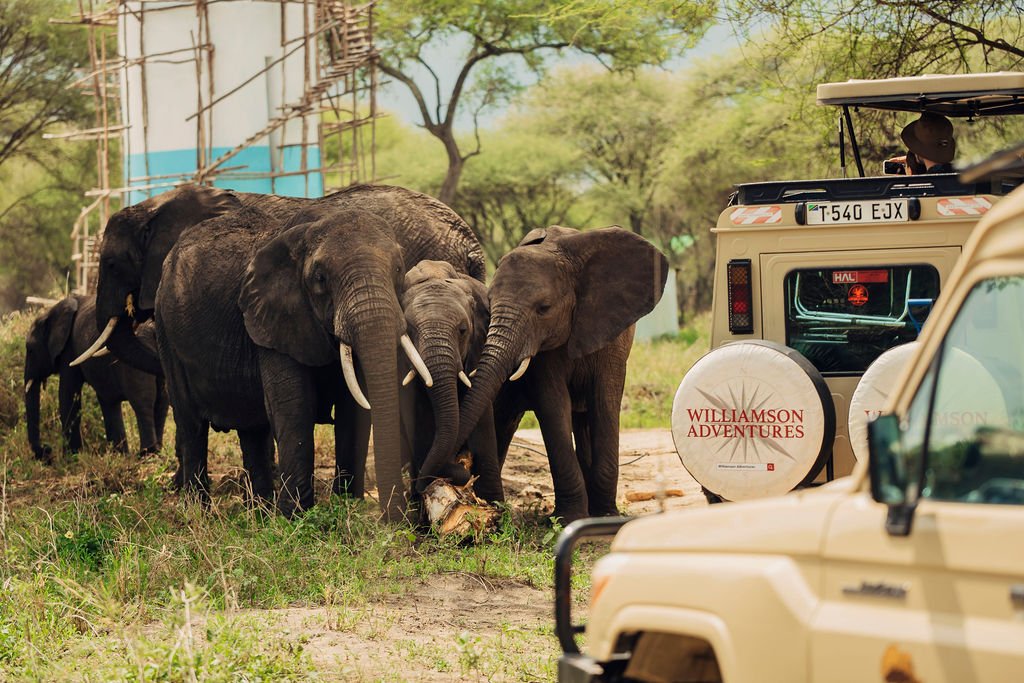
Elephants are known for their massive size and gentle nature. But have you ever wondered how fast these giants can move? Despite their bulk, elephants can reach surprising speeds.
Understanding elephant speed involves more than just numbers. It includes their unique movement patterns and the factors that influence their pace. From their distinctive gait to their ability to travel long distances, elephants are fascinating creatures.
In this article, we will explore the facts and figures behind elephant speed. Discover how these majestic animals defy expectations with their agility and endurance.
How Fast Is an Elephant? Key Facts
Despite being the largest land animals, elephants can move quickly when needed. The average running speed of an elephant is around 25 km/h (15 mph). They can sustain this speed for short bursts, useful for avoiding threats.
Elephants employ a unique gait called “ambling,” blending walking and running into a smooth motion. This movement is efficient and allows them to keep at least one foot on the ground, even when running. This contributes to their stability and balance.
Several elements affect an elephant’s speed. These include their age, with younger elephants often running faster. Terrain also plays a role, as more challenging surfaces can slow them down.
Here are a few key facts:
- Elephants use speed primarily for escaping danger.
- Endurance is a strong suit for elephants, aiding in long-distance travel.
- African elephants usually run faster than their Asian counterparts.
Elephant Running: How Do Elephants Move?
Elephants have a distinct mode of running, unlike any other animal. Their movement blends walking and running, creating a method known as “ambling.” This ensures each foot remains in contact with the ground, enhancing stability.
When an elephant moves quickly, its acceleration is slower than smaller animals. Their massive size makes sudden sprints challenging. However, they possess remarkable agility, executing quick turns when necessary.
Young elephants often display more speed and energy. Their lighter frame and higher energy levels give them an advantage over older, heavier elephants. Despite their bulk, elephants can maneuver skillfully.
Key characteristics of elephant running:
- Ambling combines elements of walking and running.
- Unique gait maintains at least one foot on the ground.
- Young elephants outpace older ones due to lighter weight.
Factors Affecting Elephant Speed
The speed of elephants is influenced by several factors. Age plays a significant role, with younger elephants often moving faster. Their vigor and lighter body contribute to higher speeds.
Health conditions can impact an elephant’s running ability. Healthier elephants tend to exhibit better speed and agility. Any injuries or ailments might limit their movement.
Environmental conditions can also affect an elephant’s speed. Muddy or waterlogged terrains present challenges and can slow them down. Conversely, on dry, solid ground, elephants can achieve better speeds.
Key factors affecting speed:
- Age and energy levels of the elephant.
- Health and physical condition.
- Terrain and environmental conditions.
African vs. Asian Elephant Speed
African and Asian elephants exhibit different running speeds. Generally, African elephants are faster, reaching speeds up to 25 km/h (15 mph). Their larger ears help in cooling down as they move, enhancing their endurance.
On the other hand, Asian elephants, with smaller physiques, tend to run slightly slower. They usually peak at around 20 km/h (12 mph). The difference in speed stems from variations in body structure and size between the two species.
Why Elephant Speed Matters
Understanding elephant speed aids in conservation efforts and safe human-elephant interactions. Their speed is vital for escaping threats, ensuring their survival in the wild.