Planning a trip to the Serengeti is exhilarating, but the moment you start thinking about how to pay for a taxi in Stone Town, the “money stress” often kicks in. It is completely normal to feel uncertain about handling finances in a developing economy where the rules are different from home.
While digital payments are growing globally, East Africa remains largely cash-dependent for daily life. In practice, seasoned visitors find that credit cards work well for luxury lodges, yet physical notes are essential for almost everything else, from buying local spices to tipping your driver.
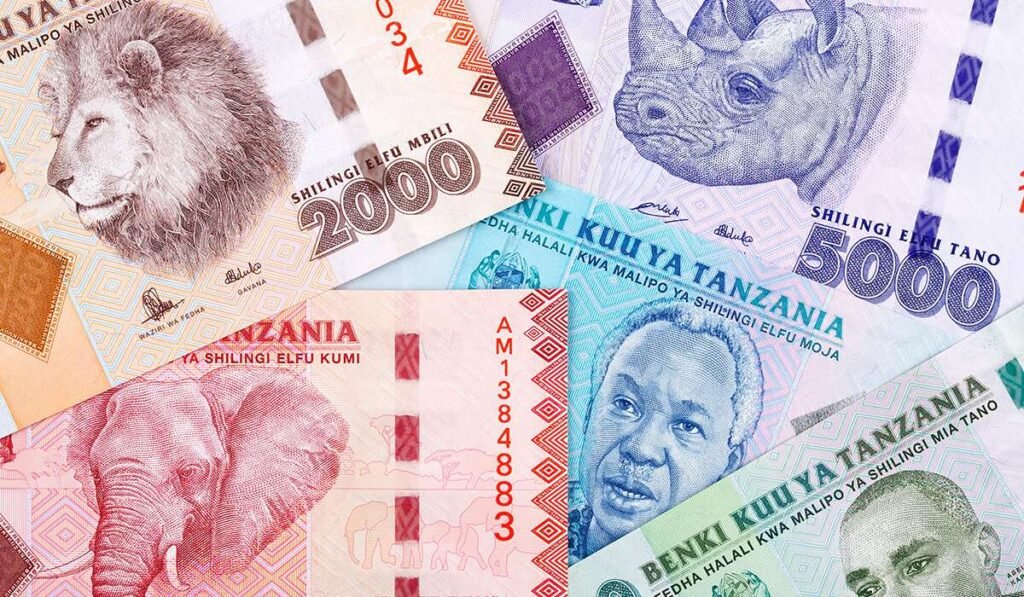
Navigating this landscape successfully means mastering a unique dual-currency system. You will typically use US Dollars for major expenses like national park fees, while Tanzanian Shillings (TZS) are the required standard for smaller, local purchases like lunch or souvenirs.
Don’t worry—managing your budget is simple once you understand the rhythm of the local economy. These essential money tips for travelers to Tanzania will ensure you always have the right cash in hand, letting you focus on the adventure rather than your wallet.
Why Your 2005 $100 Bill Will Be Rejected in Arusha
There is nothing worse than arriving at Kilimanjaro Airport ready for adventure, only to have your visa payment rejected because your cash is deemed “too old.” While legal tender in the States never expires, US dollar bill series requirements for Tanzanian visas and hotels are incredibly strict. As a general rule, businesses and banks will reject any notes printed before 2009 due to past issues with counterfeiting, regardless of their actual value back home.
Age isn’t the only factor; the physical state of the paper is just as critical. Local vendors and exchange bureaus require “pristine bills,” meaning notes that look like they just came fresh from the mint. A bill with a small tear, a pen mark from a bank teller, or excessive wrinkling will likely be turned away, leaving you with cash you effectively cannot spend until you return to the US.
To avoid getting stuck without usable funds, perform this quick wallet audit before your trip:
- Check the Year: Ensure every bill is from Series 2009 or later (2013+ is even safer).
- Inspect Condition: Leave behind any notes with tears, tape, ink stamps, or heavy fading.
- Mix Your Stash: Bring $50s and $100s for large payments to get better exchange rates, but stock up on $1s and $5s for tipping.
Having the right mix of denominations is vital because local vendors rarely have enough USD change to break a $100 bill. While USD in Tanzania is king for big purchases, you will eventually need local currency for markets and cafes. This brings us to the most reliable way to get Shillings.
Which ATMs to Trust and How to Avoid $10 Transaction Fees
While your pristine dollars will cover visas and safari lodges, you need local Shillings for daily expenses like taxis or market souvenirs. Accessing this cash requires strategy because not all machines communicate well with foreign banks. Stick to major financial institutions like CRDB, NMB, or Exim Bank, which are widely considered the best ATM networks for international debit cards in Arusha and Zanzibar. These locations usually offer higher uptime and are almost always guarded by security personnel. Furthermore, using a machine attached to a physical branch offers a critical safety net: if the ATM swallows your card, staff can often help retrieve it immediately, whereas a malfunction at an isolated street kiosk could leave you stranded.
Once you find a reliable machine, you will likely encounter a strict ceiling on how much physical cash you can dispense at one time. The maximum ATM withdrawal limits for tourists in Tanzania are typically capped at 400,000 Shillings (roughly $150 USD) per transaction. Since local banks often charge a flat fee for international cards sometimes up to $6 per use taking out small amounts repeatedly acts as a hidden tax on your trip. The most effective method for avoiding high transaction fees is to maximize every visit; always withdraw the full limit in a single go rather than making multiple smaller trips.
Standing on the sidewalk holding a stack of 10,000-shilling notes can feel overwhelming if you aren’t accustomed to currencies with so many zeros. You might immediately wonder if that 400,000 TZS is enough for a week of luxury dining or just a few quick lunches. The mental math doesn’t have to be complicated if you use a simple rounding trick to convert those large numbers into familiar values instantly.
The 2,500 Rule: Simplifying the Tanzanian Shilling Exchange Rate
Instead of pulling out a calculator every time you buy a bottle of water, simplify the math by treating 2,500 Shillings as 1 US Dollar. While the market fluctuates, this baseline helps you instantly gauge value without fumbling with apps in a busy market. If a vendor asks for 10,000 Shillings, you quickly know that’s roughly $4—a fair price for a cafe lunch, but steep for a single banana.
Securing this cash requires knowing where to trade your foreign currency safely if you aren’t using an ATM. While hotels offer convenience, their rates are often poor compared to dedicated exchange shops. You will find trustworthy Bureau de Change locations at Julius Nyerere International Airport immediately after customs, which usually offer better value for your initial “start-up” money than high-street banks.
To keep your spending in check, memorize a few key milestones using that 2,500 benchmark to navigate the Tanzanian Shilling exchange rate vs US Dollar:
- 2,500 TZS ≈ $1 (Soda or bottled water)
- 10,000 TZS ≈ $4 (Casual meal)
- 25,000 TZS ≈ $10 (Local taxi fare)
- 100,000 TZS ≈ $40 (Activity deposit)
Cash works well for souvenirs, but carrying thick wads of bills for larger expenses is risky; fortunately, most locals skip cash entirely in favor of a mobile revolution.
Using M-Pesa: Why Your Phone is More Powerful Than Your Credit Card
Back home, you might reach for a Visa card when cash runs low, but here, plastic is rarely the answer for everyday spending. The economy runs on M-Pesa, a universal digital wallet accepted everywhere from Arusha bistros to roadside fruit stalls. This allows you to pay directly from your phone’s SIM card without internet, solving the safety risk of carrying heavy bundles of Shillings.
Getting set up requires visiting a provider like Vodacom with your passport to register a local SIM card. Once active, you fund the account by handing cash to a “Wakala” agents found in kiosks on nearly every corner, who digitally deposit the amount into your phone. This simple step transforms physical bills into secure mobile money Tanzania residents use daily.
Actual payments rely on “Lipa Namba” codes displayed at counters. You type a short digit string, enter the code, and confirm with your PIN, bypassing unreliable card terminals. Using M-Pesa mobile money as a foreign visitor ensures you can pay when machines fail and helps you navigate the local economy seamlessly.
While perfect for daily expenses, mobile wallets have transaction limits that make them unsuitable for massive bills. Large operators require specific strategies for paying for Safaris and National Parks without 5% surcharges.
Paying for Safaris and National Parks Without 5% Surcharges
Booking your main safari or lodge stay will likely be the single largest expense of your trip, and how you settle this bill matters. While most major operators accept Visa or Mastercard, they almost always pass the merchant processing fees on to you. Expect a surcharge of roughly 3% to 5% on top of the quoted price, which can easily add hundreds of dollars to a luxury itinerary. To avoid this “convenience tax,” many travelers prefer bank wire transfers for initial deposits or bringing crisp, post-2006 US dollar bills to pay the final balance upon arrival.
Government-managed areas like the Serengeti operate under a strict cashless policy enforced by the Tanzania National Parks Authority (TANAPA). You generally cannot pay entrance fees with cash at the gate. Usually, these costs are bundled into your safari operator’s package, meaning your guide handles the transaction using a pre-registered company account, shielding you from the bureaucracy.
Independent travelers, however, must handle this directly. Knowing how to pay Tanzania national park entry fees yourself is crucial if you aren’t on an all-inclusive tour:
- Obtain a generic control number from the official government payment portal online before you lose signal.
- Present a Visa or Mastercard at the gate terminal to clear the balance.
- Keep the physical receipt accessible, as rangers frequently check for proof of payment inside the park.
With the heavy lifting of park fees and lodging deposits out of the way, you’ll next need to master the subtle art of small change.
Tipping and Haggling: Paying the Right Price in Stone Town and on Kilimanjaro
Once you step away from fixed park fees, the rules of commerce shift to cash-based social exchanges. Navigating this “social economy” often causes anxiety because prices for services and souvenirs rarely have tags. Mastering local etiquette ensures you support the community respectfully without overspending.
Tipping is a standard expectation here, functioning less like a bonus and more like a supplemental salary for tourism staff. Trekking and safari crews work grueling hours, and your gratuity is a critical part of their livelihood. Plan to hand these amounts to the head guide at the end of your trip to be distributed, using the following daily rates per group:
- Head Guides: $20–$25 USD (approx. 50,000–65,000 TZS)
- Safari Cooks: $15–$20 USD (approx. 40,000–50,000 TZS)
- Mountain Porters: $8–$10 USD (approx. 20,000–25,000 TZS)
Shopping for spices or curios in Stone Town requires a different approach entirely, as bargaining is considered polite conversation rather than conflict. When a vendor quotes a price, use the “Half-Price Start” rule: counteroffer with 50% of the initial number. You will usually meet in the middle, ensuring the vendor earns a profit while you pay a fair rate.
However, negotiation has strict boundaries. Never haggle at restaurants, pharmacies, or supermarkets where prices are fixed, as this is considered disrespectful. Following these social rules makes handling your finances much smoother.
Your Tanzania Money Checklist: From Airport Arrival to Final Souvenir
You have replaced financial anxiety with a solid game plan. For incidental spending, target $50–$100 daily; while this mirrors the average daily budget for a Tanzania backpacking trip, it provides a comfortable cushion for the general traveler to enjoy Arusha or Zanzibar without stress. Your success relies on storing emergency cash safely, keep those crisp, post-2006 US bills separate from your daily wallet so you are never caught empty-handed.
Before boarding your flight, complete this final money tips summary checklist:
- Spend leftover Shillings or donate them, as exporting TZS is prohibited.
- Zero out M-Pesa balances on souvenirs or driver tips.
- Keep small USD bills handy for airport snacks.
- Confirm travel notifications with your bank one last time.
With your finances secured, you are free to let Tanzania’s magic take center stage.